
[ivory-search 404 "The search form 56 does not exist"]
Cart Icon 0
Cart Icon 0
Cart Icon 0

Adhesives & Their Uses

Adhesives & Their Uses

What are Adhesives?

Adhesives, like a super potent form of glue, are versatile materials that can bond a wide variety of materials together. Whether it’s wood, metal, plastic, or even concrete, adhesives can be the solution to your bonding needs.

When two surfaces need to be attached, adhesive is used to make a strong bond. Some adhesives are made for everyday use, like fixing a broken toy, and others are made for more challenging jobs, like holding car parts or building together.

What are Industrial Grade Adhesives?

Industrial-grade adhesives are not just solid and rigid, they are the epitome of strength and durability. They can hold things together even in the harshest conditions, from high heat and heavy pressure to chemical exposure. Their reliability is why they are used in construction, car manufacturing, and factories to keep things securely in place.

Here’s how industrial adhesives are different from regular glue:

  • Strength: Industrial adhesives can hold heavy materials together and handle a lot of force. For example, they can stick metal parts in a car or keep pieces of a building together. Regular glue, like the kind you use for crafts, is suitable for small jobs but not strong enough for big, heavy-duty tasks.
  • Durability: Industrial adhesives are made to last even in demanding conditions, like hot weather, wet places, or when chemicals are around. Regular glue might stop working or lose its stickiness in these harsh conditions.
  • Special Formulations: Industrial adhesives are specially made for certain jobs, like sticking specific materials or working in special conditions. Regular glue is more general and may not work well for particular tasks.
  • Application: Industrial adhesives often require special tools or methods to ensure proper adhesion. Regular glue is usually simple to use and doesn’t require any special tools.

Adhesive Injection Mortar

What is an Adhesive Injection Mortar

One of the most potent types of industrial adhesives is adhesive injection mortar. Unlike regular industrial adhesives, which are typically applied to the surfaces being bonded, adhesive injection mortar is injected into a pre-drilled hole, creating a strong, durable bond. This unique adhesive is mainly used in construction for anchoring and bonding. It is a strong material that works like glue and mortar, making it perfect for tough jobs that need strength and flexibility.

How Adhesive Injection Mortar Works

  1. Make a Hole in the brick
  2. Apply sufficient glue in the hole created
  3. Insert the Object
  4. Let It Dry

Uses of Adhesive Injection Mortar

  • Fixing Buildings: This adhesive makes old buildings stronger by keeping new parts, like metal rods or bolts, firmly in place.
  • Holding Heavy Things: It is used to attach heavy items, such as machines or big signs, to walls or floors so they stay secure and do not fall.
  • Making Buildings Safe in Earthquakes: In areas with earthquakes, this adhesive helps buildings stay together and not break apart when the ground shakes.
  • Repairing Cracks: If a building has cracks, this adhesive fills them and helps the building become strong again.

Types of Adhesive Injection Mortar

  • Epoxy-Based Mortar: This type of mortar is solid and can handle difficult conditions, like chemicals or high temperatures.
  • Cement-Based Mortar: This type mixes cement with other ingredients to be solid and flexible, making it suitable for fixing and reinforcing buildings.
  • Hybrid Mortar: This type combines different kinds of adhesives, so it is very adaptable and works well in many different situations.

Conclusion

Adhesive injection mortar is an important tool used in building and heavy jobs. It helps to fix and strengthen things like walls and floors. This type of adhesive is very strong and can hold up under heavy weights, making it great for big projects that need to be safe and long-lasting.

Knowing how to use different types of adhesive injection mortar helps you pick the best one for your job. This will make your construction work safer and last longer. Remember to always follow safety guidelines when working with adhesive injection mortar, such as wearing protective gear and ensuring proper ventilation.

Top 5 Hydraulic Tools Every Professional Needs

Top 5 Hydraulic Tools Every Professional Needs

Hydraulic tools are essential for professionals who need power and precision in their work. These tools use hydraulic pressure to handle heavy and challenging tasks more easily. In this blog, we’ll look at the top 5 hydraulic tools that can make a big difference in your work: the Hydraulic Gear Puller, Hydraulic Floor Jack, Hydraulic Bottle Jack, Hydraulic Impact Wrench, and Hydraulic Angle Grinder. Each of these tools is designed to tackle specific challenges, making them must-haves for anyone who works with machinery or construction.

The Top Five Hydraulic Tools For Professional Use:

Hydraulic Gear Puller

What is a Hydraulic Gear Puller?

A hydraulic gear puller is a special tool for removing gears, pulleys, or other parts stuck onto a shaft (a rod that turns). It uses hydraulic power, which means it uses a liquid to create a strong pulling force.

Advantages of a Hydraulic Gear Puller

  • High Force: The hydraulic gear puller can pull off very tight parts without requiring a lot of strength. This is because it uses hydraulic power, which is very strong.
  • Precision: You can control precisely how much force is applied, which helps avoid damaging the parts or the machinery. This means you can be careful and accurate.
  • Ease of Use: It’s easier to use than older types of gear pullers that need a lot of manual effort. You don’t have to work as hard to get the job done.

Uses of a Hydraulic Gear Puller

  • Automotive Repairs: It removes gears and pulleys from car engines and transmissions. This tool helps get something off safely and effectively if something is stuck.
  • Industrial Maintenance: It’s also used in factories or where machines are repaired. It helps replace or fix parts of big machines.

Why it is in the Top 5 Hydraulic Tools for Professionals

The hydraulic gear puller is essential because it can handle tough jobs requiring strength and precision. This makes it a top tool for fixing cars and machines, where removing parts correctly is crucial.

Hydraulic Floor Jack

What is a Hydraulic Floor Jack?

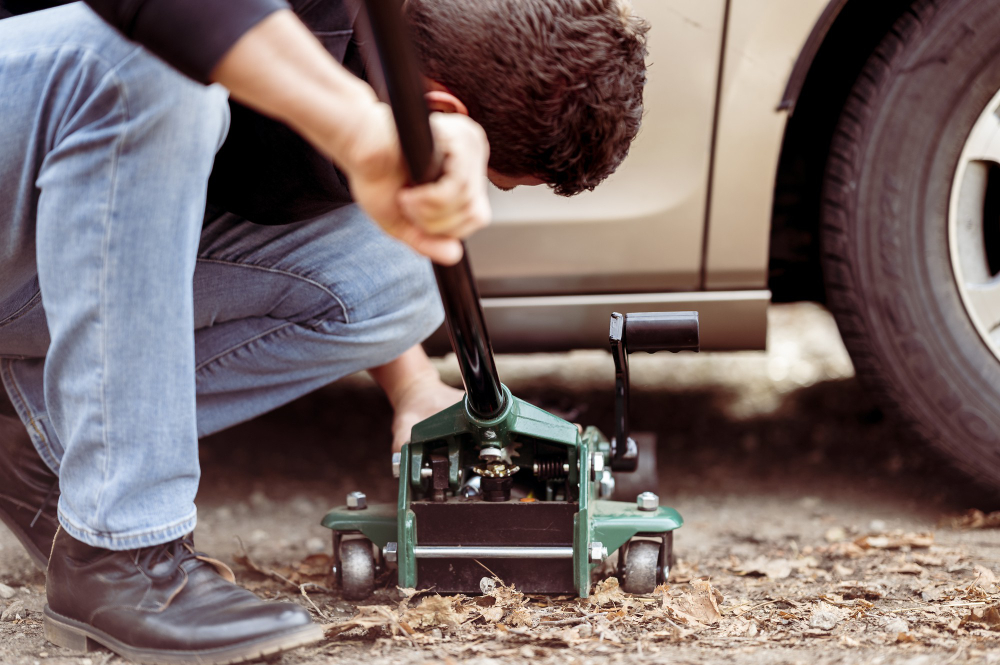
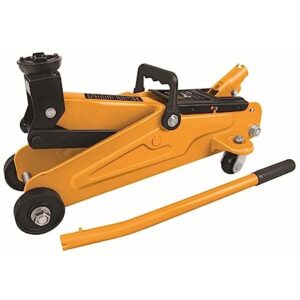
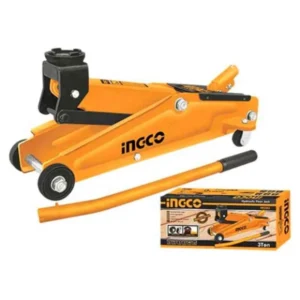
A hydraulic floor jack is a tool for lifting heavy vehicles, such as cars or big equipment, off the ground. It uses a special kind of liquid called hydraulic fluid to make lifting easier.

Advantages of a Hydraulic Floor Jack

  • Efficient Lifting: It can lift heavy things quickly without requiring much strength. It works much better than old-fashioned jacks.
  • Stability: It steadily holds the vehicle or equipment while it’s lifted, so it’s safer to work underneath.
  • Adjustable Height: You can change how high it lifts, which makes it easy to work on different parts of the vehicle or equipment.

Uses of a Hydraulic Floor Jack

  • Vehicle Maintenance: It’s often used in garages to lift cars so mechanics can change tyres or fix other parts.
  • Heavy Equipment: It’s also helpful in lifting big machines to check or fix them.

Why it is in the Top 5 Hydraulic Tools for Professionals

The hydraulic floor jack is one of the top tools because it lifts heavy things efficiently and safely. This makes it very important to work on cars and big machines.

Hydraulic Bottle Jack

What is a Hydraulic Bottle Jack?

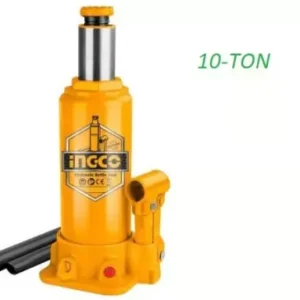
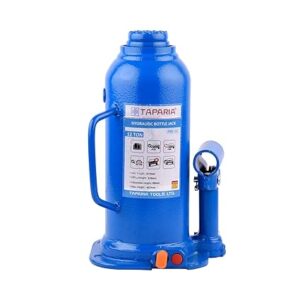
A hydraulic bottle jack is a small, powerful tool shaped like a bottle. It is used to lift very heavy objects.

Advantages of a Hydraulic Bottle Jack

  • High Lifting Capacity: Even though it’s small, it can lift weighty objects, making it helpful in lifting big loads.
  • Compact Design: Its small size makes it easy to store and use in small spaces where more giant jacks might not fit.
  • Stability: It keeps the heavy object steady while lifting, just like a floor jack.

Uses of a Hydraulic Bottle Jack

  • Automotive Repairs: Great for lifting cars or trucks, especially if you’re fixing them on the side of the road.
  • Construction: Used to lift heavy materials or big machines at construction sites.

Why it is in the Top 5 Hydraulic Tools for Professionals

The bottle jack is one of the top tools because it’s powerful for its size and can lift heavy loads in tight spaces. This makes it very useful for both car repairs and construction work.

Hydraulic Impact Wrench

What is a Hydraulic Impact Wrench?

A hydraulic impact wrench is a powerful tool for quickly tightening or loosening bolts and nuts. It uses hydraulic power (a kind of strong fluid pressure) to do this.

Advantages of a Hydraulic Impact Wrench

  • High Torque: This tool can make a lot of turning force, so it’s easy to handle tight or stuck bolts and nuts.
  • Speed: It works fast so that you can do your job faster than manual tools.
  • Efficiency: It does the hard work for you, so you don’t have to strain your hands or use much force.

Uses of a Hydraulic Impact Wrench

  • Automotive Repairs: You often use it to change tyres or work on car engines because it makes it easy to handle the bolts and nuts.
  • Construction: It helps assemble or remove heavy machinery and equipment, which can be tricky with regular tools.

Why it is in the Top 5 Hydraulic Tools for Professionals

The hydraulic impact wrench is one of the top tools because it combines powerful force and speed, making it very useful for quick and effective mechanical work, especially in car repairs and construction projects.

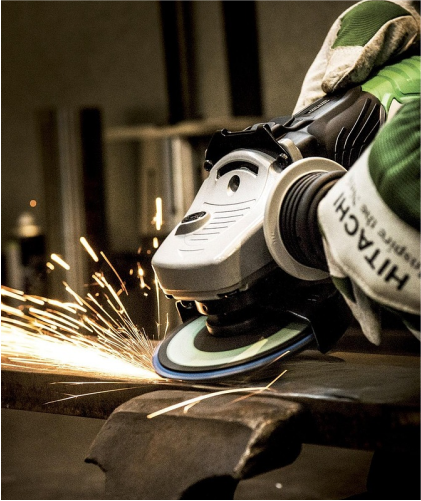
Hydraulic Angle Grinder

What is a Hydraulic Angle Grinder?

An angle grinder is a powerful tool for cutting, grinding, and polishing materials like metal, concrete, and stone. It works by spinning a disc fast, powered by a motor.

Advantages of a Hydraulic Angle Grinder

  • Versatility: It can do many jobs. You can use it to cut through materials, smooth rough surfaces, or polish things to make them shine.
  • Powerful Performance: The spinning disc moves quickly, which makes it easy to cut or grind through rigid materials.
  • Precision: You can cut and grind accurately with the right attachments.

Uses of a Hydraulic Angle Grinder

  • Metal Work: It’s great for cutting and smoothing metal pipes and sheets. It can also help cut metal bars or remove rust from metal surfaces.
  • Construction: Builders use it to cut and polish concrete or stone. It can make clean cuts in bricks or smooth out rough concrete surfaces.
  • Repairs: It helps fix and maintain things. For instance, you can use it to cut old bolts or grind down parts that need to fit together better.

Why it is in the Top 5 Hydraulic Tools for Professionals

The angle grinder is one of the top tools because it can handle many different tasks. Whether you’re working on construction, metalworking, or repairs, its power and versatility make it a must-have tool for many projects.

Conclusion

Using the right hydraulic tools can transform your work, making tough jobs more accessible and efficient. The Hydraulic Gear Puller, Hydraulic Floor Jack, Hydraulic Bottle Jack, Hydraulic Impact Wrench, and Hydraulic Angle Grinder have unique features that make them valuable for different tasks. Whether you need to remove parts, lift heavy items, or cut and grind materials, these tools provide the power and reliability you need. Investing in these top hydraulic tools ensures you have the right equipment to handle demanding jobs and get the best results in your professional work.

Types and Uses of Cutters

Have you ever been in a situation where you need to cut something open, but your regular cutter won’t? It doesn’t help that you can use different cutters to cut various materials. Not all materials are the same, so they need other tools to cut through them. In this blog, we will explore the different types of cutters and their general specifications and discuss their uses and advantages.

Annular Cutter

What Is It?

An annular cutter is a cutting tool used to create holes in metal, similar to a holesaw for wood.

General Specifications

  • Made from high-speed steel (HSS) or carbide
  • Diameter range: 12 mm to 150 mm
  • Cutting depth: up to 75 mm
  • Shank types: Weldon shank, Quick-in shank

Uses

  • Creating precise holes in structural steel, pipes, and other metals
  • Used in fabrication, construction, and engineering industries

Advantages

  • Faster and more efficient than twist drills
  • Produces cleaner, burr-free holes
  • Less material waste and lower power consumption

Pipe Cutter

What Is It?

A tool used for cutting pipes made from materials such as PVC, copper, and steel.

General Specifications

  • Types: Ratchet, wheel, or rotary cutter
  • Cutting capacity: varies depending on the type, typically up to 50 mm for handheld versions.

Uses

  • Cutting plumbing pipes to desired lengths
  • Used by plumbers and in HVAC installations

Advantages

  • Provides clean, precise cuts
  • Easy to use and often faster than using a saw
  • Reduces the risk of pipe deformation

Glass Cutter

What Is It?

A tool used for scoring and cutting glass.

General Specifications

  • Carbide or diamond-tipped wheel
  • Handle for applying pressure
  • Oil reservoir in some models for lubrication

Uses

  • Cutting glass sheets to size for windows, mirrors, and other applications

Advantages

  • Allows for precise cuts on glass
  • Easy to use with a smooth scoring wheel
  • Reduces the risk of glass breakage during cutting

Wire Cutter

What Is It?

A tool used for cutting wire of various materials and gauges.

General Specifications

  • Types: Diagonal, side cutters, and flush cutters
  • Cutting capacity: varies by type, typically up to 10 gauge wire

Uses

  • Cutting electrical wire, cables, and small metal rods
  • Used in electrical work, jewellery making, and crafts

Advantages

  • Provides clean, precise cuts without fraying
  • Ergonomic handles for comfortable use
  • Some models include insulation for electrical work

Bolt Cutter

What Is It?

A tool designed for cutting through heavy metal objects like bolts, chains, and padlocks.

General Specifications

  • Long handles for leverage
  • Cutting capacity: up to 10 mm diameter steel
  • Blade material: hardened steel

Uses

  • Cutting bolts, padlocks, chains, and rebar
  • Used in construction, emergency services, and by locksmiths

Advantages

  • High-cutting power with minimal effort
  • Durable and capable of cutting through rigid materials
  • Various sizes are available for different applications

Handsaw

What Is It?

A manual saw is used for cutting wood and other materials.

General Specifications

  • Types: Crosscut, rip, and panel saws
  • Blade length: typically 20 to 26 inches
  • Teeth per inch (TPI): varies based on the type of saw

Uses

  • Cutting wood in carpentry and woodworking projects
  • Suitable for DIY and professional use

Advantages

  • Versatile and easy to use
  • No power source required
  • Provides clean cuts with the correct technique

Hacksaw

What Is It?

A saw with a fine-toothed blade used for cutting metal and plastic.

General Specifications

  • Frame: adjustable or fixed
  • Blade length: typically 10 to 12 inches
  • TPI: varies from 14 to 32 TPI

Uses

  • Cutting metal pipes, rods, and profiles
  • Cutting plastic pipes and other materials

Advantages

  • Versatile and portable
  • Blades are easily replaceable
  • Provides precise cuts on a variety of materials

Holesaw

What Is It?

A saw blade with a ring shape is used for cutting large-diameter holes in various materials.

General Specifications

  • Diameter range: 14 mm to 210 mm
  • Material: HSS, carbide-tipped, or bi-metal
  • Cutting depth: varies by model

Uses

  • Drilling holes for plumbing, electrical installations, and door hardware
  • Used in woodworking, construction, and DIY projects

Advantages

  • Creates prominent, clean holes with minimal effort
  • Interchangeable arbor for different sizes
  • Efficient cutting with less material waste

Cutter Knife

What Is It?

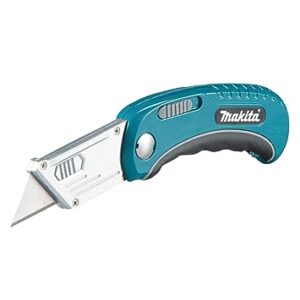
A utility knife with a retractable blade is used for cutting various materials.

General Specifications

  • Blade types: snap-off, fixed, or retractable
  • Blade material: high-carbon steel or stainless steel
  • Handle: plastic or metal with an ergonomic design

Uses

  • Cutting cardboard, plastic, leather, and other materials
  • Used in crafting, packaging, and general utility tasks

Advantages

  • Versatile and easy to use
  • Replaceable blades
  • Safe storage with a retractable feature

Wrap Cutter

What Is It?

A tool used to cut stretch film and other wrapping materials.

General Specifications

  • Small, handheld tool
  • Blade: stainless steel or carbon steel
  • Handle: ergonomic design for ease of use

Uses

  • Cutting stretch wrap, shrink wrap, and other packaging materials
  • Used in warehouses, packaging, and shipping

Advantages

  • Provides clean, straight cuts
  • Safe and easy to handle
  • Reduces the risk of injury compared to using knives

Milling Cutter

What Is It?

A rotary tool used in milling machines for machining metal, wood, and other materials.

General Specifications

  • Types: end mills, face mills, ball noses, etc.
  • Material: carbide, HSS, or cobalt
  • Sizes: various diameters and lengths

Uses

  • Machining parts with precision in milling operations
  • Creating slots, pockets, and contours in materials

Advantages

  • High precision and efficiency
  • Wide range of shapes and sizes for different applications
  • Durable and capable of handling rigid materials

Hand Axe

What Is It?

A small, handheld axe used for chopping wood and other materials.

General Specifications

  • Blade material: carbon steel or stainless steel
  • Handle: wood, fibreglass, or metal
  • Weight: typically 1 to 3 pounds

Uses

  • Chopping wood, splitting kindling, and general outdoor tasks
  • Used in camping, woodworking, and survival situations

Advantages

  • Portable and easy to handle
  • Provides efficient chopping power
  • Durable and long-lasting

TCT Blade

What Is It?

A blade with Tungsten Carbide Tips (TCT) cuts various materials.

General Specifications

  • Blade diameter: varies, commonly 150 mm to 350 mm
  • Teeth: carbide-tipped for durability
  • Types: circular saw blades, router bits, etc.

Uses

  • Cutting wood, metal, plastic, and composites
  • Used in saws, routers, and other power tools

Advantages

  • Long-lasting and stays sharp longer
  • Provides clean, precise cuts
  • Suitable for a wide range of materials

Conclusion

In conclusion, you need to understand your need and recognise the type of cutter you need. It is essential that you use the correct kind of cutter based on what you are cutting through as using something to do what it is not meant to might end up in an injury.

Top 5 most used drill bits

When tackling any drilling project, having the right drill bit is essential for achieving precise and efficient results. Whether you’re a seasoned professional or a DIY enthusiast, understanding the different types of drill bits and their specific applications can significantly enhance your productivity and the quality of your work. This blog will explore the top 5 drill bits you need in your toolkit: Masonry Drill Bits, Auger Drill Bits, Brad Point Drill Bits, Hole Saw Drill Bits, and SDS Drill Bits. Each of these bits is uniquely designed to handle various materials and drilling tasks, ensuring that you’re well-equipped for any project that comes your way.

Masonry Drill Bit

What Is It?

A masonry drill bit is designed to drill into hard materials like brick, stone, concrete, and masonry.

General Specifications:

  • Material: Typically made from high-carbon steel with a tungsten carbide tip.
  • Tip: The carbide tip is often in a chisel shape to effectively cut through rigid materials.
  • Shank: Various shank types, such as straight shank, SDS-plus, and SDS-max, for different drills.
  • Size Range: Available in diameters from 3 mm to 20 mm and lengths up to 400 mm or more.

Uses:

  • Drilling holes for anchors in masonry and concrete.
  • Creating openings for electrical and plumbing installations in walls and floors.
  • Used in construction, renovation, and DIY brick, stone, or concrete projects.

Advantages:

  • Durable and capable of withstanding the hardness of masonry materials.
  • The carbide tip remains sharp longer, providing efficient drilling.
  • Available in various sizes for different applications.

Auger Drill Bit

What Is It?

An auger drill bit is designed for drilling large, deep holes in wood.

General Specifications:

  • Material: Typically made from high-carbon steel or HSS.
  • Design: Features a screw tip that helps pull the bit through the wood and wide, deep flutes to remove wood chips efficiently.
  • Size Range: Diameters from 6 mm to 30 mm and lengths up to 460 mm or more.

Uses:

  • Drilling deep, precise holes in wood for furniture making, construction, and carpentry.
  • Used in timber framing, installing large bolts, and drilling holes for cables and pipes in wooden structures.

Advantages:

  • The screw tip provides self-feeding action, reducing the effort needed to drill.
  • Deep flutes efficiently remove wood chips, preventing clogging and overheating.
  • Creates clean, smooth holes with minimal tear-out.

Brad Point Drill Bit

What Is It?

A Brad Point drill bit is designed to drill clean, precise holes in wood and some plastics.

General Specifications:

  • Material: Usually made from high-speed steel (HSS) or carbon steel.
  • Tip: Features a sharp centre point (brad) and spurs on the outside edges for clean entry and exit holes.
  • Size Range: Available in diameters from 3 mm to 25 mm.

Uses:

  • Drilling accurate, splinter-free holes in woodworking projects.
  • Ideal for doweling, joinery, and furniture making.
  • Can also be used in some plastic materials for precise holes.

Advantages:

  • The centre brad keeps the bit from wandering, ensuring accurate placement.
  • The spurs create clean edges, reducing splintering and tear-out.
  • Ideal for creating flat-bottomed holes in wood.

Hole Saw Drill Bit

What Is It?

A hole saw drill bit is designed for cutting large-diameter holes in various materials, including wood, metal, plastic, and masonry.

General Specifications:

  • Material: The cutting edge is typically made from HSS, carbide, or diamond grit, with a steel or bi-metal body.
  • Design: A cylindrical saw blade with a pilot drill bit in the centre to guide the hole saw.
  • Size Range: Diameters from 14 mm to 210 mm or more.

Uses:

  • Creating large holes for plumbing, electrical installations, and HVAC systems.
  • Cutting holes for doorknobs, pipes, and light fixtures.
  • Used in woodworking, construction, and DIY projects.

Advantages:

  • Can cut large diameter holes quickly and efficiently.
  • Interchangeable arbours allow different hole saw sizes to be used with the same drill.
  • Available with various cutting materials for different applications, including metal, wood, and masonry.

SDS Drill Bit

What Is It?

An SDS (Slotted Drive System) drill bit is designed for heavy-duty concrete, stone, and masonry drilling with rotary hammers and hammer drills.

General Specifications:

  • Material: Made from high-carbon steel with a tungsten carbide tip.
  • Shank: Features slots or grooves that lock into the SDS chuck system, allowing for efficient hammer action and rotation.
  • Size Range: Available in diameters from 4 mm to 40 mm and lengths up to 1,200 mm or more.

Uses:

  • Drilling holes in concrete, stone, brick, and masonry for anchors and fasteners.
  • Used in heavy-duty construction and demolition work.
  • Ideal for drilling deep holes in hard materials.

Advantages:

  • The SDS system allows for quick bit changes without needing a chuck key.
  • Provides efficient power transfer from the drill to the bit, making it highly effective for heavy-duty applications.
  • The carbide tip remains sharp and durable, providing long-lasting performance.

Conclusion

In summary, having a versatile set of drill bits can make all the difference in the success of your projects. From the robust Masonry Drill Bit for tough concrete and stone to the precision of the Brad Point Drill Bit for clean holes in wood, each type offers distinct advantages for specific tasks. The Auger Drill Bit’s efficiency in timber, the Hole Saw Drill Bit’s capability for large-diameter holes, and the SDS Drill Bit’s power in heavy-duty applications complete a well-rounded toolkit. Investing in these top 5 drill bits will prepare you to handle a wide range of materials and challenges confidently and precisely. Happy drilling!

A Guide to Groove Routers: The answer to your What, Where and How to

What is a Groove Router?

A groove router is a versatile power tool used in woodworking to hollow out (or rout) an area on the surface of a piece of wood. This tool is essential for creating grooves, dados, rabbets, and other intricate cuts and designs. Groove routers come in various types, including:

  • Fixed-Base Routers: These are your go-to for precision work, ensuring that the depth of the cut remains constant. With this tool, you can confidently tackle even the most intricate designs, knowing your precision is unmatched.
  • Plunge Routers allow vertical movement during the cut, making them suitable for intricate inlay work and deep grooves.
  • Combo Kits: These offer fixed and plunge bases, providing the versatility to handle a wide range of woodworking tasks. With a combo kit, you can feel empowered to take on any project that comes your way.

Where to Use a Groove Router?

Groove routers can be used in a variety of woodworking projects, such as:

  • Cabinetry and Furniture: Creating joinery like dovetails and mortises.
  • Decorative Edges: Adding profiles and patterns to the edges of tables, doors, and furniture.
  • Sign Making: Engraving letters and designs into wooden signs.
  • Inlay Work: Creating precise recesses for inlays in decorative projects.

How to Use a Groove Router?

Step 1: Choose the Right Bit:

  • Select the appropriate router bit for your task. Standard bits include straight, rabbeting, flush trim, and chamfer bits.

Step 2: Set the Depth:

  • Adjust the router’s depth setting according to the desired depth of the cut. Fixed-base routers require manual adjustment, while plunge routers can be adjusted during the cut.

Step 3: Secure the Workpiece:

  • Clamp the workpiece securely to your workbench to prevent movement during routing.

Step 4: Safety First:

  • Wear safety goggles, ear protection, and a dust mask. Ensure that your work area is clean and free of obstructions.

Step 5: Routing Technique:

  • Fixed-Base Router: Turn on the router and move it steadily along the guide or edge.
  • Plunge Router: Start with the base resting on the workpiece, then lower the bit into the wood and move it along the desired path.

Step 6: Feed Direction:

  • For handheld routing, move the router against the bit’s rotation (typically left to right for inside edges and right to left for outside edges).

Step 7: Multiple Passes:

  • For deeper cuts, make multiple shallow passes rather than a single deep cut to avoid overloading the router and achieving cleaner results.

Groove routers can be used with:

  • Electric Trimming Machines
  • Bakelite Milling Machines
  • Ornamental Engraving and Milling Machines
  • CNC Engraving Machines
  • CNC Machining Centres

Conclusion

Any woodworker who wants to attain accuracy and originality in their products must have a groove router. Knowing what a groove router is, where to use it, and how to use it will improve your woodworking abilities and output. Operating a groove router can enhance your woodworking skills regardless of experience level and lead to many new opportunities.

Drilling for Dummies: Types and Uses of Different Drill Machines

What is a Drilling Machine?

A drill machine, also known as a drill or drilling machine, is a versatile power tool used for making holes in various materials such as wood, metal, plastic, and concrete. It operates by rotating a drill bit to cut into the material. Drill machines can be handheld or mounted on a stand or workbench, depending on their design and intended use.

Functions of a Drill Machine

  • Drilling Holes
  • Screwing and Unscrewing
  • Mixing paint, adhesives, or other substances.
  • Sanding and Polishing
  • Countersinking
  • Reaming
  • Tapping
  • Drilling at Angles
  • Hammering Action

Types of Drilling Machines

Magnetic Drill

Features of a Magnetic Drill:

  • Electromagnet Base: When activated, the electromagnet secures the drill firmly to a metal surface, providing stability and precision.
  • Variable Speed Control: Allows adjustment of drilling speed to suit different materials and drill bit sizes.
  • Safety Features: Often includes features like automatic shut-off if the magnetic base loses contact with the surface.
  • Versatility: Can be used with various types of drill bits, such as annular cutters, twist drills, and countersinks.

Applications of a Magnetic drill:

  • Structural steelwork
  • Construction and fabrication
  • Shipbuilding and maintenance

Bench Drill

Features of a Bench Drill:

  • Adjustable Table: The worktable can be moved up, down, and tilted to accommodate workpieces of different sizes and angles.
  • Depth Stop: Ensures consistent drilling depth for repetitive tasks.
  • Variable Speed Control: Allows selection of appropriate speed for different materials.
  • Chuck Capacity: Varies in size, determining the range of drill bits that can be used.

Applications of a Bench Drill:

  • Woodworking
  • Metalworking
  • DIY projects
  • Precision drilling tasks

Concrete Vibrator Drill

Features of a Concrete Vibrator Drill:

  • Vibrating Mechanism: Vibrations help to settle the concrete into place, removing air pockets and ensuring a dense, uniform mixture.
  • Heavy-Duty Design: Built to withstand the harsh conditions of construction sites.
  • Interchangeable Heads: Can be fitted with different attachments for various concrete types and applications.

Applications of a Concrete Vibrator Drill:

  • Concrete pouring and finishing
  • Foundations and slabs
  • Columns and beams

Core Drill Machine

Features of a Core Drill Machine:

  • Diamond Core Bits: Provide efficient cutting and drilling through hard materials.
  • Cooling System: Water or air cooling prevents overheating and prolongs bit life.
  • Variable Speed Control: Adjusts to the hardness of the drilled material.
  • Safety Features: These include mechanisms to prevent overload and protect the user.

Applications of a Core Drill Machine:

  • Creating holes for plumbing, electrical, and HVAC installations
  • Sample extraction for testing
  • Installation of anchor bolts and rebar

Hammer Drill

Features of a Hammer Drill:

  • Hammering Mechanism: Delivers rapid, short hammering thrusts to pulverise material while the drill bit rotates.
  • Adjustable Mode: Can switch between drilling, hammering, and combining both.
  • Variable Speed Control: Allows for precise operation in different materials.
  • Chuck System: Typically uses a keyless or SDS chuck for quick bit changes.

Applications of a Hammer Drill:

  • Masonry and concrete drilling
  • Tile and stone installation
  • Heavy-duty construction tasks

Press Drill

Features of a Press Drill:

  • Stable Base and Column: Ensures rigidity and accuracy during drilling.
  • Adjustable Table: Allows movement in various directions to accommodate different workpiece sizes and angles.
  • Depth Stop: Ensures consistent drilling depth.
  • Variable Speed Control: Facilitates drilling different materials with appropriate speeds.

Applications of a Press Drill:

  • Precision drilling in metal and wood
  • Creating repeated, identical holes
  • Industrial and workshop use

Uses of Different Drilling Machines

Magnetic Drill

  • Structural Steel Work: Drilling holes in steel beams, columns, and girders for construction projects.
  • Fabrication: Creating precise holes in metal sheets and components for manufacturing.
  • Shipbuilding: Drilling in ship hulls and frames.
  • Maintenance: Repairs and modifications of large metal structures.
  • Railroad Construction: Drilling rail tracks for installation and maintenance.

Bench Drill

  • Woodworking: Drilling precise holes in wood for furniture making, cabinetry, and other projects.
  • Metalworking: Drilling, countersinking, and tapping holes in metal parts.
  • DIY Projects: Versatile tool for home improvement tasks.
  • Model Making: Precision drilling for small, intricate parts.
  • Jewellery Making: Drilling holes in metal, plastic, or other materials for jewellery.

Concrete Vibrator Drill

  • Concrete Pouring: Ensuring proper compaction and eliminating air bubbles in concrete slabs, columns, and walls.
  • Foundation Work: Achieving solid and durable concrete foundations.
  • Structural Elements: Consolidating concrete in beams, pillars, and other structural components.
  • Repair Work: Improving the density and strength of repair patches in concrete structures.
  • Precast Concrete: Vibrating moulds to produce high-quality precast concrete products.

Core Drill Machine

  • Plumbing and Electrical Installations: Drilling holes for pipes, conduits, and cables through concrete and masonry walls.
  • HVAC Systems: Creating openings for ductwork and ventilation.
  • Sample Extraction: Obtaining core samples of concrete or asphalt for testing and analysis.
  • Anchoring: Installing anchor bolts and rods in concrete structures.
  • Demolition: Creating large openings or removing sections of concrete.

Hammer Drill

  • Masonry Drilling: Creating holes in brick, stone, and concrete for anchors and fasteners.
  • Tile Installation: Drilling holes in tiles and masonry for fixtures.
  • Construction: Heavy-duty drilling tasks in construction projects.
  • Renovation: Remove tiles and drill them into concrete floors and walls.
  • Demolition Work: Breaking up concrete and masonry with a chisel attachment.

Press Drill

  • Precision Drilling: Creating accurate and repeatable metal, wood, and plastic holes.
  • Metalworking: Drilling, reaming, and tapping holes in metal parts.
  • Woodworking: Drilling holes for joinery, doweling, and other applications.
  • Assembly Line Production: Consistent drilling operations in manufacturing processes.
  • Prototyping: Drilling and modifying parts for prototypes and models.

A Guide To Polishing: What Polishing Wheel To Use For Which Material

What Are Polishing Wheels?

Polishing Wheels, also known as buffing wheels, provide a smooth and clean finish to metals, plastics, jewellery, glass, ceramic, wood, etc. They are mounted on polishing and grinding machines and rotated at high speeds to acquire the desired finish. Different types of polishing and grinding wheels are used for other purposes and have different results.

To get the desired finish, you must use the correct polishing wheel. However, that isn’t the only substance required for the final product. The process is two-fold. The first step is choosing the correct polishing/grinding wheel, and the second is associating it with the proper polishing compound. The polishing compound must be spread evenly on the wheel, and then the wheel, now coated with the compound, together to help you reach your end product.

Different Types Of Polishing Wheels And Their Applications

Polishing Wheel

Image

Applications

Cotton and Muslin·         General Polishing: Ideal for general-purpose buffing and polishing of metals, plastics, and other materials.

·         Final Finishing: Used for achieving a high gloss finish on surfaces.

·         Jewellery Making: Commonly used in jewellery making to polish and finish precious metals like gold and silver.

·         Automotive: Used for polishing car bodies, chrome, and aluminium surfaces.

Felt·         Precision Polishing: Excellent for precision polishing where a higher degree of control is needed.

·         Glass and Stone: Polishing glass, marble, and other stone surfaces.

·         Metal Polishing: Suitable for polishing metals to a high shine, including steel, stainless steel, and aluminium.

·         Abrasive Compounds: Often used with abrasive compounds for more aggressive polishing.

Satin/Matte·         Satin Finishes: These are used to create satin or matte finishes on metals and other materials.

·         Deburring: Effective for deburring edges and surfaces of metal parts.

·         Surface Preparation: Prepares surfaces for further finishing processes such as painting or plating.

·         Aesthetics: Provides an aesthetic finish for architectural and decorative purposes.

Aluminium Oxide·         Aggressive Cutting: Suitable for aggressive cutting and material removal.

·         Hard Metals: Used for polishing and finishing hard metals such as stainless and high-carbon steel.

·         Surface Cleaning: Effective for cleaning oxidised or corroded surfaces.

·         Tool Sharpening: Commonly used in tool sharpening and blade honing applications.

Silicon Carbide·         Hard Material Polishing: Ideal for polishing and grinding hard materials like ceramics, stone, and glass.

·         Aggressive Material Removal: Effective for rapid material removal and shaping.

·         Non-Ferrous Metals: Suitable for non-ferrous metals such as aluminium, brass, and bronze.

·         Surface Preparation: Used for surface preparation tasks before finishing.

Nylon and Wire Wheels·         Surface Cleaning: Used for cleaning and removing rust, paint, and other surface contaminants.

·         Deburring: Effective for deburring and edge blending on metal parts.

·         Texturing: Can be used to create a textured surface finish on metals and other materials.

·         Woodworking: Nylon wheels can be used for surface finishing and texturing in woodworking.

·         Welding Preparation: Wire wheels are commonly used to prepare surfaces for welding by removing oxides and other contaminants.

Different types of polishing compounds and their applications

Type of Compound

Colour

Abrasiveness

Application

Tripoli CompoundBrownMedium·         Used for the initial cutting and smoothing of metals.

·         Effective on softer metals like aluminium, brass, copper, and nickel.

·         Removes light scratches and surface imperfections.

White RougeWhiteLight·         Provides a fine polish and smooth finish.

·         Ideal for plastics, aluminium, and other soft metals.

·         Used for the final polish after a coarser compound.

Red RougeRedVery Fine·         Designed for final polishing to achieve a high gloss.

·         Often used on precious metals like gold, silver, and platinum.

·         Suitable for fine jewellery and delicate items.

Green RougeGreenMedium·         Used for a fine polish on hard metals like stainless steel and chrome.

·         Effective on stainless steel and other hard metals for a mirror-like finish.

Black EmeryBlackCoarse·         Used for heavy cutting and initial polishing.

·         Suitable for removing deep scratches and heavy oxidation.

·         Often used on iron, steel, and other hard metals.

Blue RougeBlueMedium·         All-purpose compound for both cutting and colouring.

·         Suitable for refined metals and plastics.

·         Provides a good balance between cutting action and final polish.

Brown RougeBrownMedium·         Good for general-purpose metal polishing.

·         Provides a smooth, reflective finish on various metals.

ZamGreenLight·         Ideal for softer metals and plastics.

·         Preferred for polishing aluminium and stainless steel.

Pink RougePinkFine·         Used for a high-lustre finish.

·         Effective on Gold, silver, and softer metals.

Stainless CompoundGrey or WhiteMedium·         Specifically formulated for stainless steel.

·         Provides a brilliant finish without discolouration.

Diamond CompoundVariesVery Fine·         Contains diamond particles for polishing rigid materials.

·         Used for gemstones, ceramics, and hardened metals.

Conclusion

In the end, it all depends on the material you are working with and the end result you desire. Whether you want a shiny, glossy finish or a matte finish, you can achieve them by choosing the right polishing wheel and its complementary finishing compound. Voila, you have your desired result right there in front of you.

Callipers: The Precision Tools That Leave No Room for Error

A calliper, a precision instrument used to measure the distance between two opposing surfaces of an object, is a user-friendly tool in engineering, metalworking, woodworking, and other scientific professions. In this article, we will delve into the four main types of callipers: Vernier Callipers, Dial Callipers, Digital Callipers, and Micrometre Callipers, each designed for a specific measurement task, with features that make them easy to use and operate.

Different Types of Callipers

There are four main types of callipers: Digital Callipers, Vernier Callipers, Dial Callipers, and Micrometre Callipers.

Types of Callipers: Digital Callipers

A digital calliper has a digital dial which shows the reading. It has a minimum reading of 0.01mm or 0.0005in. A digital calliper has five major components:

  • Jaws: The two arms of the calliper that come into contact with the measured object.
  • Slider: The movable part of the calliper that adjusts the position of the jaws for measurement.
  • Digital Display: Shows the measurement reading in digital format, typically to two decimal places or higher.
  • Function Buttons: Allow for zero-setting, unit conversion, and locking the measurement.
  • Depth Bar: An extension of one of the jaws used to measure holes or grooves’ depths.

Types of Callipers: Vernier Callipers

Vernier callipers are named so because they use a Vernier scale to measure small distances. The Vernier calliper has two main parts for measurement. The Main scale measures in centimetres, and the Vernier scale has a minimum measure of 0.02mm or 0.001in. Other than that, there are six different parts of the Vernier calliper:

  • Jaws: Two sets of jaws – an upper fixed jaw and a lower sliding jaw – come into contact with the measured object. The fixed jaw is stationary, while the sliding jaw moves along the main scale.
  • Depth Gauge: A rod or blade attached perpendicular to the sliding jaw, used to measure holes or recesses’ depths.
  • Locking Screw: A screw or knob that can be tightened to secure the sliding jaw in place once the measurement has been taken.
  • Fine Adjustment Wheel (Optional): Some Vernier callipers feature a fine adjustment wheel that allows for precise adjustment of the sliding jaw’s position for accurate measurements.
  • Main Scale Thimble: A part that moves along with the main scale and provides additional measurement reference.
  • Vernier Scale Thimble: A part that moves along with the Vernier scale and provides additional measurement references.

Types of Callipers: Dial Callipers

A dial calliper has a circular dial, which is used to indicate the measurement. It is a precision measuring tool that measures the distance between the two opposite ends of a tool. A dial calliper has a minimum count of 0.03mm or 0.0012in. The major components of a dial calliper are:

  • Scale or Ruler: The main body of the calliper has a graduated scale marked in metric (millimetres) and imperial (inches) units. This scale provides the measurement readings.
  • Movable Jaw: The upper part of the calliper has a movable jaw that can be adjusted along the scale to measure the distance between two points.
  • Fixed Jaw: The lower part of the calliper has a fixed jaw against which the measured object is placed.
  • Dial Indicator: A dial indicator or gauge is attached to the main body that displays the measurement readings. It consists of a needle or pointer moving along a high-precision circular scale.

Types of Callipers: Micrometre Callipers

A micrometre calliper has a digital outside micrometre, which shows a minimum reading of 0.001mm or 0.00005in. Unlike the other callipers, a micrometre calliper can only measure the outside measure of an object. The object is placed between the anvil and the spindle, and the thimble is turned until it is fit against the two edges of the object. The digital display shows the measure of the object. The components of a micrometre calliper are:

  • Frame: The main body of the micrometre, usually in a C-shaped or U-shaped design, which houses the other components.
  • Anvil: The fixed part of the micrometre against which one end of the measured object rests.
  • Spindle: The moving part of the micrometre that comes into contact with the other end of the object being measured. It moves parallel to the frame and is adjusted by the user to take measurements.
  • Thimble: The outer cylindrical surface of the spindle, often knurled for better grip. The thimble is rotated to move the spindle and take measurements.
  • Sleeve: The part of the micrometre housing the spindle and providing stability and support for its movement.
  • Screw Mechanism: The mechanism inside the micrometre translates the rotational movement of the thimble into linear movement of the spindle. This mechanism typically consists of a finely threaded screw and nut.
  • Scale: A calibrated scale, usually marked in millimetres and fractions of millimetres (sometimes in inches and fractions of inches), and attached to the frame. It indicates the measured distance when aligned with the edge of the thimble.
  • Vernier Scale (optional): Some micrometres may feature a Vernier scale, which provides extra graduations for even finer measurements.
  • Locking Device (optional): Some micrometres may include a locking device to temporarily fix the spindle in position once the measurement is taken, preventing accidental movement and ensuring measurement accuracy.

All of these different callipers have different uses, advantages and disadvantages.

Uses, Advantages and Disadvantages of Different Callipers

Type of Callipers

Uses of Callipers

Advantages of Callipers

Disadvantages of Callipers

Digital Calliper·         Precision Measurement: Used for precise length, width, and depth measurements.

·         Easy Readout: Provides digital readouts for quick and accurate measurements.

·         Conversion: Capable of converting measurements between metric and imperial units.

·         Data Recording: Some models have built-in data recording capabilities for documenting measurements.

·         Versatility: Suitable for various applications, including engineering, woodworking, machining, and hobbyist projects.

·         Accuracy

·         Easy to use

·         Convenient

·         Versatile

·         Dependent on a battery

·         Costly

·         Affected by moisture and temperature

Vernier Calliper·         Precision Measurement: Provides accurate length, width, and depth measurements.

·         Fine Measurement: Capable of making fine measurements with its Vernier scale.

·         Outside Measurements: Used for measuring external dimensions of objects.

·         Inside Measurements: Using jaws or probes, it can also measure internal dimensions.

·         Depth Gauge: Includes a depth gauge for measuring the depth of holes and grooves.

·         Metalworking: Commonly used in metalworking, machining, and engineering applications.

·         Precision scale

·         Durable

·         Versatile

·         Traditional design

·         No batteries required

·         Less precise

·         Has a learning curve

Dial Calliper·         Precision Measurement: Provides accurate length, width, and depth measurements.

·         Dial Readout: Features a dial indicator for reading measurements.

·         Easy Calibration: Can be calibrated for accuracy.

·         Smooth Movement: Offers smooth movement for precise positioning.

·         Inside and Outside Measurements: Can measure both external and internal dimensions.

·         Metalworking: Widely used in metalworking, machining, and mechanical engineering.

·         Highly accurate

·         Durable

·         Smooth operation process

·         Easy to calibre

·         No batteries required

·         Fragile

·         Complex to use

Micrometre Calliper·         High Precision: Offers exact measurements with high accuracy.

·         External Measurements: Primarily used for measuring the external dimensions of objects.

·         Internal Measurements: Some models feature interchangeable anvils for measuring internal dimensions.

·         Depth Measurements: Can measure depth with its depth rod or blade.

·         Metalworking and Engineering: Commonly used in metalworking, machining, and engineering applications requiring high precision.

·         Can measure in micrometres

·         Has a high resolution

·         Can measure internal, external and depth

·         Very durable

·         Costly

·         Limited range

·         Specialised Use

Conclusion

You can choose any of the above callipers, depending on the purpose and what you want to measure. While each of the callipers has its own set of advantages and disadvantages, you should consider the ease of use and your budget before making the decision of which is the best suited to your needs. If you have determined that you will be using the calliper for an extended period of time, investing in a high-quality calliper that will give you accurate readings with minimal error and is durable is your best bet.

Top 24 Black & Decker products for 2024

From a standard sander to a high-end reciprocating saw, Black & Decker is renowned for its diverse range of hand and power tools. With 2024 well underway, it’s time to highlight the best and most practical products from this trusted brand. This blog will explore the top 24 Black & Decker products for 2024. While some of these products may have been launched this year, others have stood the test of time and continue to be highly effective and useful tools. Join us as we delve into the innovative Black & Decker tools that can elevate your DIY projects and professional endeavours alike.

  1. Top 24 Black & Decker Products For 2024: Black & Decker Sander
  2. Top 24 Black & Decker Products For 2024: Black & Decker Drill
  3. Top 24 Black & Decker Products For 2024: Black & Decker Boost Blower
  4. Top 24 Black & Decker Products For 2024: Black & Decker Jigsaw
  5. Top 24 Black & Decker Products For 2024: Black & Decker Cordless Drill Machine
  6. Top 24 Black & Decker Products For 2024: Black & Decker Vacuum Cleaner
  7. Top 24 Black & Decker Products For 2024: Black & Decker Electric Chainsaw
  8. Top 24 Black & Decker Products For 2024: Black & Decker Cutting Circular Saw
  9. Top 24 Black & Decker Products For 2024: Black & Decker Impact Drill
  10. Top 24 Black & Decker Products For 2024: Black & Decker Hammer Drill
  11. Top 24 Black & Decker Products For 2024: Black & Decker Mouse Sander
  12. Top 24 Black & Decker Products For 2024: Black & Decker Tile Cutter
  13. Top 24 Black & Decker Products For 2024: Black & Decker Buffing Polisher
  14. Top 24 Black & Decker Products For 2024: Black & Decker Digital Gauge
  15. Top 24 Black & Decker Products For 2024: Black & Decker Tire Inflator
  16. Top 24 Black & Decker Products For 2024: Black & Decker Wood Planer
  17. Top 24 Black & Decker Products For 2024: Black & Decker Screwdriver Bit Set
  18. Top 24 Black & Decker Products For 2024: Black & Decker Reciprocating Saw
  19. Top 24 Black & Decker Products For 2024: Black & Decker Handheld Vacuum Cleaner
  20. Top 24 Black & Decker Products For 2024: Black & Decker Pen Screw Driver
  21. Top 24 Black & Decker Products For 2024: Black & Decker Tool Box
  22. Top 24 Black & Decker Products For 2024: Black & Decker Filer
  23. Top 24 Black & Decker Products For 2024: Black & Decker Evo-Inflator
  24. Top 24 Black & Decker Products For 2024: Black & Decker Automatic Battery

Conclusion

As we conclude our exploration of the top 24 Black & Decker products for 2024, it’s evident that this brand continues to innovate and deliver high-quality tools for a wide range of applications. Whether you’re a seasoned professional or a DIY enthusiast, Black & Decker offers reliable solutions to meet your needs. From versatile drills and saws to convenient tire inflators and handheld vacuums, these products exemplify Black & Decker’s commitment to excellence and functionality. As you embark on your next project, consider investing in these top-notch tools to enhance efficiency, precision, and overall satisfaction.

Safety First! Safety Equipment You Need To Be Safe While Working With Wood

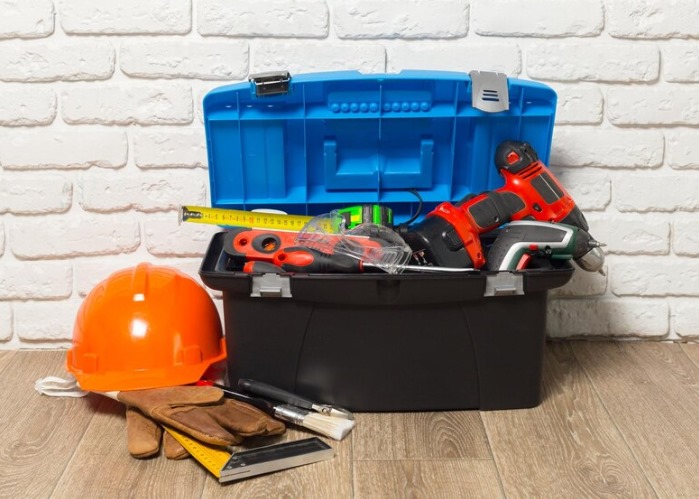
Safety first is a motto that we all need to refer to in everything we do in life. Whether you are going for a trek, doing some DIY stuff or just want to explore a new hobby, make sure you use all safety precaution to protect yourself, your surrounding and your project. When it comes to any type of working whether it be with wood, fire, metal, or anything else, safety is very important. Protecting all your important organs and all your essentials becomes very important when you could potentially be working with something that could cause you harm. Here is a list of must have safety equipment for any and all DIY or construction work.

Necessary Safety Supplies: Safety Glasses

Your eyes are one of the most important part of your body. When it comes to wood work while carving, shaping, cutting or sanding small chips of wood or saw dust could enter your eyes and cause severe damage. In order to protect yourself from these flying particles, it is necessary to wear safety glasses or safety goggles. These protect your eyes from any unwanted debris and also enable you to view your project clearly without any problems giving more accuracy where required. It is something that everyone should have as a part of their safety equipment.

Necessary Safety Supplies: Gloves

While your hands are relatively safer from flying debris, they still need protection from flammable substances and things that might cause scratches, cuts or big wounds. As a result you need Safety gloves in your safety arsenal. If these are fire resistant gloves, even better. There are a lot of different types of gloves available in the market which are highly durable, and are resistant to fire, splinters and some are even resistant to chemicals, acids, and extreme temperatures, making them ideal for various industrial and hazardous environments. With the abundant amount of safety gloves present in the market make sure that you purchase the ones that are the most suitable to your requirements and the type of work you do.

Necessary Safety Supplies: Steel Toe Boots

Safety Steel toe boots are very important when you are travelling around with heavy materials. These boots are there to protect your feet if anything were to fall near your legs which might injure you. Steel toes boots are also very helpful if you are to visit a construction site where materials are strewn across and you never know when something might pierce through your normal shoes and injure you. These are a requirement in your safety kit if you travel around working spaces a lot.

Necessary Safety Supplies: Vest

A safety vest is there to protect all your important organs like your heart, lungs, kidneys, liver, etc. The vest covers most of your torso while not being restraining to allow you to craft whatever you want. The safety vests are also made of highly durable material to last for a long time and have a reflective finish which helps you be visible in dark or low-light conditions. Additionally most safety vests have a ton of pockets to provide storage and help you carry small tools around your work station. As a result these become a necessary safety supply in your safety kit.

Necessary Safety Supplies: Helmet

Your brain, although protected by the skull is still highly prone to injuries and these injuries, because of their location can be fatal. As a result, having a safety helmet made of durable material that can withstand heavy weight becomes very important. Whatever you might be working with, keeping your head safe should be a priority for everyone. And hence, a safety helmet should be an integral part of your safety kit.

Conclusion

Your safety should always be your priority. Being safe in any and every situation should be your end game. In conclusion, investing in the right safety equipment is crucial for everyone. By prioritizing gear such as gloves and safety vests designed to protect against various hazards, including splinters, chemicals, and impacts, you not only safeguard yourself from potential injuries but also ensure you can work with confidence and focus on your craft. Remember, safety should always come first in any environment, and having the appropriate safety gear can make all the difference in maintaining a secure and productive workspace.