
[ivory-search 404 "The search form 56 does not exist"]
Cart Icon 0
Cart Icon 0
Cart Icon 0

Top 5 Best Vacuum Cleaners 2024

Welcome to our comprehensive guide on the top 5 best vacuum cleaners of 2024! In today’s fast-paced world, efficiency and effectiveness are paramount, especially regarding household chores. Selecting the right vacuum cleaner can be daunting, with an array of options flooding the market. Fear not; we’ve meticulously researched and tested the leading models to bring you the crème de la crème of vacuum cleaners. From the powerful suction of the Ingco Vacuum Cleaner to the innovative features of the Makita Vacuum Cleaner, we’ve got you covered. Join us as we delve into the intricacies of these top contenders to help you make an informed decision for your cleaning needs.

Top 5 Best Vacuum Cleaners Of 2024: Ingco 2000 W 2.5 L HEPA Filter Vacuum Cleaner, VC20258

The Ingco VC20258 stands out as a top contender among the best vacuum cleaners of 2024. Boasting a powerful 2000 W pure copper wire motor, it delivers exceptional suction power ranging from 260-330 W. Equipped with a 2.5 L dust capacity and HEPA filter, it ensures thorough cleaning while maintaining air quality. Its multiple cyclone feature enhances efficiency, while speed control allows customisation to various surfaces. With dimensions of 433x283x348 mm, it offers both power and portability. The Ingco VC20258 is a testament to innovation and performance, making it a must-have for households seeking optimal cleaning solutions. With this Ingco vacuum cleaner, you can be confident that your cleaning tasks will be handled quickly and efficiently.

Top 5 Best Vacuum Cleaners Of 2024: BLACK+DECKER WDBDS20 20-Litre, 1600 Watt, 16 KPa High Suction Wet And Dry Stainless Steel Vacuum Cleaner And Blower With HEPA Filter And Reusable Dustbag (Red)

The BLACK+DECKER WDBDS20 20-Litre vacuum cleaner stands out as one of the best vacuum cleaners of 2024, boasting a powerful 1600-watt motor and 16 KPa high suction capability. Its versatile design allows for wet and dry cleaning, with a stainless steel construction ensuring durability. Equipped with a HEPA filter, it effectively traps allergens and pollutants, providing cleaner air. The package includes various accessories such as plastic suction tubes, a flexible hose, and a 2-in-1 wet and dry floor brush, enhancing its usability. With its impressive features and performance, the Black & Decker Vacuum Cleaner is a top choice for households seeking efficient and thorough cleaning solutions.

Top 5 Best Vacuum Cleaners Of 2024: KROST Industrial/Commercial Wet & Dry Powerful Vacuum Cleaner. (80 Litre)

As one of the top 5 vacuum cleaners of 2024, the KROST Industrial/Commercial Wet & Dry Powerful Vacuum Cleaner stands out with its impressive features. With a generous capacity of 80 litres, it offers ample space for both wet and dry cleaning tasks, making it ideal for industrial and commercial use. The KROST brand ensures reliability and performance, while the included nozzle and HEPA filter enhances efficiency. With a powerful 3200 Watts motor, this cannister-style KROST vacuum cleaner tackles tough messes effortlessly. Its vibrant blue colour adds a touch of style to its functionality. Experience quiet operation with a noise level of only 60 dB, making cleaning sessions more pleasant.

Top 5 Best Vacuum Cleaners Of 2024: Xtra Power XP-VC-20 L Vacuum Cleaner, Red & Silver

The Xtra Power XP-VC-20 L Vacuum Cleaner in striking red and silver stands tall among the best vacuum cleaners of 2024. Its powerful 1000 Watts motor ensures efficient cleaning for both wet and dry surfaces, making it a versatile choice for any household. Equipped with wheels for easy manoeuvrability and a generous 20-litre capacity, this vacuum cleaner is designed to tackle dirt and debris easily. Its cartridge filter ensures effective filtration, maintaining air quality while cleaning. Cordless convenience adds to its appeal, offering hassle-free operation. With its impressive features and performance, the Xtra Power Vacuum Cleaner is a top contender in the world of cleaning appliances.

Top 5 Best Vacuum Cleaners Of 2024: Makita DVC862LRT2 Cordless Vacuum Cleaner 36V

The Makita DVC862LRT2 Cordless Vacuum Cleaner 36V stands out as one of the best vacuum cleaners of 2024. Its innovative design and powerful performance make it a top contender in the market. Featuring a cordless operation, it offers unparalleled convenience and freedom of movement during cleaning sessions. Including wheels and a bag filter made of cloth enhances its usability and efficiency. With a wattage of 90 Watts, this Makita vacuum cleaner delivers impressive suction power to tackle dirt and debris easily. Whether for home or professional use, the Makita DVC862LRT2 promises a superior cleaning experience.

Conclusion

In conclusion, selecting the best vacuum cleaner for your home in 2024 boils down to understanding your specific requirements and finding a model that offers the perfect blend of performance, convenience, and durability. Whether you prioritise powerful suction, advanced features, or portability, the top 5 vacuum cleaners of 2024, including the Ingco, Black & Decker, Krost, Xtra Power, and Makita models, have proven themselves as leaders in their respective categories. Investing in the right vacuum cleaner can simplify your cleaning routine and contribute to a healthier and happier living environment for you and your loved ones. These vacuum cleaners are equipped with advanced filtration systems, ensuring that the air in your home is clean and safe. Here’s to cleaner floors and more accessible cleaning experiences in the years to come!

Different Types Of Sanders And Their Uses

Sanders plays a pivotal role in woodworking, metalworking, or any project requiring surface finishing. Understanding the different types of sanders and their specific uses is essential for achieving optimal results in various tasks. Sanders are power tools designed to smooth surfaces through abrasion with sandpaper, but the variations in design and functionality cater to specific needs and materials. This comprehensive guide will delve into the world of sanders, exploring the different types available and their respective applications.

What Are Sanders?

Sanders, versatile devices used to smooth surfaces by abrasion with sandpaper, are a powerful tool in the hands of woodworkers, carpenters, DIY enthusiasts, and professionals in the construction and renovation industry. They’re not just limited to woodworking and carpentry but can also be handy for automotive, metalworking, and even DIY projects around the house. Each type of sander, from belt sanders to orbital sanders and random orbital sanders, has its unique advantages and best uses, empowering you to choose the right tool for your specific task, depending on factors like the type of material being worked on and the desired finish.

Different Types Of Sanders

Different Types Of Sanders: Drywall Sander

A drywall sander is a specialised type explicitly designed for smoothing and finishing drywall surfaces. Drywall sanders are used in the construction and renovation industry, particularly for projects involving installing or repairing drywall.

Unlike traditional sanders, drywall sanders are equipped with a long handle and a flat sanding head, often with a rectangular or circular shape. They are typically lightweight and feature a dust collection system to minimise the amount of dust generated during sanding.

Drywall sanders, a specialised type of sander, are often used with a vacuum cleaner or dust extractor to reduce dust and debris further. They can sand large areas quickly and efficiently, making them indispensable tools for professionals and DIY enthusiasts working with drywall. Their efficiency not only saves time but also ensures a smooth and professional finish, adding value to your projects.

Different Types Of Sanders: Random Orbital Sander

A random orbital sander is a versatile power tool for sanding various materials, including wood, metal, and plastic. It’s called “random orbital” because it operates by simultaneously rotating and vibrating in random orbits, which helps prevent visible swirl marks on the surface being sanded.

They’re commonly used in woodworking, furniture making, automotive refinishing, and other applications where a smooth, scratch-free surface is desired. The random orbital sander is prized for its ability to efficiently remove material while minimising the risk of leaving noticeable swirl marks, making it a popular choice among professionals and DIY enthusiasts.

Different Types Of Sanders: Pneumatic Orbital Sander

A pneumatic orbital sander, also known as an air orbital sander, is a power tool that operates using compressed air. Unlike most orbital sanders, which are powered by electricity, pneumatic sanders use air pressure to drive the sanding pad’s motion.

While pneumatic tools require an air compressor and hose for operation, they offer advantages such as a higher power-to-weight ratio, lighter weight, and potentially longer lifespan due to simpler internal mechanisms than their electric counterparts.

Different Types Of Sanders: Belt Sander

Belt sanders are robust power tools for efficient material removal and surface smoothing. Their defining feature is a continuous loop of sandpaper that rotates around two cylindrical drums, enabling rapid sanding over large areas. Widely used in woodworking and construction, these tools excel at tasks like levelling uneven surfaces, removing old finishes, and shaping wood or metal. Variable speed control is a standard feature, allowing users to adjust sanding speed to suit different materials and desired finishes.

Due to their aggressive nature, belt sanders are particularly practical for heavy-duty sanding applications. However, their power and speed require careful handling to prevent over-sanding or damage to the workpiece. Many belt sanders are equipped with dust collection systems or can be connected to a vacuum cleaner, minimising airborne dust and debris for a cleaner work environment. Despite their versatility and efficiency, users should exercise caution and skill to achieve optimal results without compromising the integrity of the material being worked on.

Different Types Of Sanders: Disc Sander

A disc sander is a power tool used for sanding and smoothing surfaces, primarily in woodworking and metalworking applications. A round sanding disc is mounted on a rotating spindle, typically driven by an electric motor.

Disc sanders are commonly used for tasks such as smoothing edges, shaping curves, and removing material quickly. They are versatile tools suitable for rough sanding and fine finishing work, depending on the grit of the abrasive disc used. However, proper safety precautions should be observed when operating a disc sander to prevent accidents and injuries like any power tool.

Uses Of Sanders

Uses Of Different Sanders: Uses Of Drywall Sanders

  • Smoothing drywall surfaces during installation or repair.
  • Removing excess joint compound or texture.
  • Achieving a flat and even finish on walls and ceilings.
  • Preparing surfaces for painting or wallpapering.
  • Reducing the need for manual sanding, saving time and effort.

Uses Of Different Sanders: Uses Of Random Orbital Sander

  • Finishing tasks in woodworking, metalworking, and automotive refinishing.
  • Removing old finishes, such as paint or varnish.
  • Smoothing surfaces and blending uneven areas.
  • Achieving a scratch-free finish with reduced risk of swirl marks.
  • Suitable for both rough sanding and fine finishing work.

Uses Of Different Sanders: Uses Of Pneumatic Orbital Sander

  • Smoothing metal surfaces in industrial and automotive settings.
  • Removing paint, rust, or corrosion from metalwork.
  • Preparing surfaces for painting, coating, or welding.
  • Offering high power-to-weight ratios for prolonged use.
  • Providing versatility and efficiency in material preparation tasks.

Uses Of Different Sanders: Uses Of Belt Sander

  • Rapid material removal and levelling of surfaces.
  • Shaping wood and smoothing large flat surfaces.
  • Removing old finishes or paint layers quickly.
  • Suitable for rough sanding tasks requiring aggressive abrasion.
  • Less suitable for fine finishing work due to their aggressive nature.

Uses Of Different Sanders: Uses Of Disc Sander

  • Shaping, smoothing, and finishing various materials.
  • Sanding curved edges and shaping irregular surfaces.
  • Smoothing end grain and preparing surfaces for joinery.
  • Offering precise control and versatility in sanding tasks.
  • Suitable for rough and fine sanding applications, depending on the grit of the abrasive disc.

Conclusion

In conclusion, sanders are indispensable tools for artisans, DIY enthusiasts, and professionals. From the versatile random orbital sander to the specialised drywall sander, each type serves a unique purpose, offering efficiency, precision, and convenience in surface preparation and finishing tasks. By understanding the uses and advantages of different types of sanders, individuals can choose the right tool for the job, ensuring seamless results and enhancing the quality of their projects. Whether smoothing drywall surfaces, shaping wood, or preparing metal for painting, there’s a sander tailored to meet every need, making sanding tasks more manageable and achieving professional-quality results achievable for all.

Choosing the Right Toolbox for Your Needs

Toolbox- atoz shop

Are you embarking on a DIY project, gearing up for home repairs, or preparing for professional work? Regardless of the task at hand, having the right toolbox is essential. The right toolbox ensures that your tools are organized, accessible, and protected. However, with the plethora of options available, choosing the perfect toolbox can be overwhelming. Fear not! In this guide, we’ll explore how to choose the right toolbox for your needs, whether it’s for DIY enthusiasts, homeowners, or professionals. With these tips, you’ll be equipped to select the ideal toolbox that complements your requirements and enhances your efficiency.

1.    KROST TC41B Metal Toolkit For Garage

The KROST TC41B Metal Toolkit, a versatile toolbox designed with home use in mind, is a DIY enthusiast’s and homeowner’s dream. It contains essential tools for various tasks, including a hacksaw frame with ten blades, a 10-inch steel file, a 500g cross pein hammer, a 12-inch scale with tin cutter, and screwdrivers ranging from 5 to 8 inches. Additionally, it features a 10-inch water pump plier and an 8-inch combination plier. Distributed by Tools Centre, it warns against duplicate products. The toolkit, in a vibrant red colour, not only offers functionality and reliability but also adds a touch of style to your home projects.

2.    Stanley STMT81243 110-Piece High Quality Multi-Toolkit for Professional Use

The Stanley STMT81243 110-Piece High Quality Multi-Toolkit is a comprehensive toolbox designed for professional use. It includes pliers, spanners, drivers, sockets, bits, wrenches, and ratchets, catering to various needs in home, DIY, and professional settings. Backed by a 1-year warranty, its yellow and black design ensures durability and visibility. Ideal for a range of tasks, this toolkit offers reliability and versatility for professionals and enthusiasts alike.

3.    STANLEY SDH550KM-IN 550W Mechanical Hand Toolkit

The STANLEY SDH550KM-IN 550W 10mm Corded Single Speed Hammer Drill Machine is a professional-grade toolbox essential. With 120-pieces toolkit including measuring tape and hammer, it’s perfect for professional use. Backed by a 1-year warranty, this yellow and black drill offers reliable power with 20 volts voltage and 14 amps amperage. Ideal for both DIY enthusiasts and professionals, it ensures durability and efficiency in various drilling tasks.

4.    INGCO 100 Pcs Tools Set (HKTHP21001)

The Ingco 100 Pcs Tools Set (HKTHP21001) is a comprehensive toolbox for professional use. It includes essential tools like a 1/2″ ratchet wrench (45T), 18 1/2″ hexagonal sockets ranging from 10 to 32mm, 2 extension bars (125mm and 250mm), a universal joint, 2 spark plug sockets (16mm and 21mm), a 1/2″*3/8″ three-way adaptor, and a 1/4″ ratchet wrench (45T). This toolkit provides versatility and functionality for various mechanical tasks, making it a valuable asset for professionals in need of reliable tools.

5.    Bosch 12 Pieces Hand Tool Kit for DIYs

The Bosch 12 Pieces Hand Tool Kit in Blue is a versatile toolbox for DIY and home use. It includes essential hand tools like a screwdriver, hammer, pliers, wrench, and measuring tape, along with seven screwdriver bits for various tasks. Compact in size (253mm x 280mm x 45mm), it meets every day needs efficiently. Ideal for basic household repairs and maintenance, this toolkit offers convenience and reliability for tackling common tasks around the home.

Tips To Consider While Choosing A Toolbox

  • Assess Your Needs: Consider the types and sizes of tools you own.
  • Evaluate Portability: Determine if you need a portable or stationary toolbox.
  • Consider Storage Space: Ensure the toolbox has enough compartments and space for your tools.
  • Material Matters: Choose a durable material like metal or heavy-duty plastic for longevity.
  • Accessibility: Opt for a toolbox with easy-to-access compartments and sturdy latches.
  • Budget Wisely: Balance quality and affordability according to your requirements.
  • Versatility: Select a toolbox with customizable interiors or additional features for versatility.
  • Check Reviews: Research user reviews to gauge durability and performance.
  • Brand Reliability: Consider reputable brands known for quality craftsmanship.
  • Future Expansion: Choose a toolbox that allows for future tool additions and organization.

Conclusion

In conclusion, selecting the appropriate toolbox is crucial for efficient and effective work, whether it’s DIY projects, home repairs, or professional endeavours. By considering factors such as your specific needs, portability, storage space, material quality, and budget, you can make an informed decision. Remember, the right toolbox not only keeps your tools organized and accessible but also contributes to your overall productivity and satisfaction. So, armed with the insights and tips provided here, go ahead and choose the perfect toolbox that aligns perfectly with your needs and enhances your work experience.

Pneumatic Tool Maintenance Checklist for Industrial Facilities

Pneumatic tools are the backbone of many industrial operations, offering power and precision for various tasks. From drilling and grinding to assembly and finishing, these tools play a crucial role in maintaining productivity and efficiency in industrial facilities. However, like any mechanical equipment, pneumatic tools require regular maintenance to ensure optimal performance and longevity. In this blog post, we’ll provide a comprehensive pneumatic tool maintenance checklist tailored for industrial settings, covering essential steps to keep your tools in top condition.

Understanding Pneumatic Tools

Before delving into maintenance procedures, it’s essential to have a basic understanding of pneumatic tools and how they operate. Pneumatic tools utilise compressed air to generate power, making them lightweight, versatile, and capable of delivering high torque or speed. Common pneumatic tools include impact wrenches, air drills, grinders, sanders, and nail guns, among others. Proper maintenance is crucial to prevent malfunctions, extend tool life, and ensure safety in industrial environments.

Pneumatic Tools Maintenance Checklist

  • Regular Inspection: Conduct visual inspections of pneumatic tools before and after each use. Look for signs of wear, damage, or leaks in hoses, fittings, and components. Address any issues promptly to prevent further damage.
  • Cleaning: Keep pneumatic tools clean and free of debris, dust, and moisture. Use compressed air or a clean cloth to remove dirt and build-up from external surfaces. Pay special attention to vents, exhaust ports, and air intakes.
  • Lubrication: Lubricate pneumatic tools regularly to reduce friction, minimise wear, and prevent corrosion. Refer to the manufacturer’s recommendations for the appropriate type and frequency of lubrication. Apply lubricant to moving parts, such as bearings, gears, and pistons.
  • Filter Maintenance: Check and clean or replace air filters to ensure proper air quality and flow. Clogged or dirty filters can restrict airflow, leading to decreased performance and potential damage to pneumatic tools.
  • Regulator Adjustment: Monitor and adjust air pressure regulators to maintain the recommended operating pressure for pneumatic tools. Excessive or insufficient air pressure can affect tool performance, efficiency, and safety.
  • Hose Inspection: Inspect pneumatic hoses for wear, kinks, cracks, or leaks. Replace damaged hoses immediately to prevent air leaks, loss of pressure, and potential hazards.
  • Tool Calibration: Periodically calibrate pneumatic tools to ensure accurate performance and consistent results. Use precision instruments or calibration kits provided by the manufacturer for this purpose.
  • Storage: Store pneumatic tools in a clean, dry environment away from extreme temperatures, moisture, and contaminants. Use protective cases or toolboxes to prevent damage during transportation and storage.
  • Training and Education: Provide training to operators and maintenance personnel on proper handling, usage, and maintenance of pneumatic tools. Emphasise safety precautions, ergonomic practices, and adherence to maintenance procedures.
  • Documentation: Keep detailed records of pneumatic tool maintenance activities, including inspections, repairs, replacements, and calibration. Maintain a maintenance log or database to track tool history and performance over time.

Pneumatic Tools Safety Checklist

  • Always Disconnect from Air Supply When Not in Use: Before performing any maintenance or adjustments, always disconnect pneumatic tools from the air supply to prevent accidental activation and potential injuries.
  • Complete Visual Inspection of Tool: Prior to use, visually inspect pneumatic tools for any visible damage, loose parts, or signs of wear. Do not operate damaged or malfunctioning tools.
  • Inspect Feed System: Verify that the feed system is clear of obstructions and properly aligned. Ensure that fasteners and components are securely in place.
  • Check Lines and Compressor for Moisture: Monitor air lines and the compressor for moisture build-up, leaks, or damage. Address any issues promptly to maintain air quality and tool performance.
  • Lubricate Tools Regularly: Apply lubricant to moving parts of pneumatic tools as per manufacturer recommendations. Proper lubrication reduces friction, prolongs tool life, and enhances performance.
  • Clean Tools at End of Day: After each use, clean pneumatic tools to remove debris, dust, and build-up. Pay special attention to vents, exhaust ports, and air intakes to maintain optimal airflow and cooling.

Conclusion

In conclusion, proactive maintenance is essential for ensuring the reliable operation, longevity, and safety of pneumatic tools in industrial facilities. By following a comprehensive maintenance checklist and implementing regular inspection, cleaning, lubrication, and calibration procedures, you can optimise the performance and efficiency of your pneumatic tools while minimising downtime and repair costs. Remember, a well-maintained pneumatic tool is not only a valuable asset but also a testament to your commitment to quality, productivity, and safety in the workplace.

Everything about Air Blowers: Uses, Industrial Applications and Maintenance

Introduction:

Air blowers are versatile tools that play a crucial role in various industries and daily household activities. From cleaning and cooling to powering industrial processes, these devices have become indispensable in many applications. We will cover every aspect of air blowers in this extensive guide, including their functions, industrial applications, and the need of regular maintenance.

What is an air blower used for?

An air blower is a device designed to generate a continuous flow of air. It operates by drawing in air and then propelling it out at a high velocity. This basic principle makes air blowers incredibly useful across a wide range of applications.

Air blower uses spreads in diverse settings, including industrial, commercial, and domestic environments. In industries, they are commonly used for processes such as material handling, ventilation, and cooling. In the commercial sector, air blowers play a vital role in cleaning, while at home, they are often utilized for tasks like dusting and leaf blowing.

Electric Air Blower: What is the use of an electric blower?

Electric blowers, a popular subtype of air blowers, are powered by electricity and are widely favoured for their efficiency and ease of use. The use of electric air blowers in industries extends to various domains, including gardening, cleaning, and DIY projects. Their electrically powered mechanism eliminates the need for manual effort, providing a convenient and effective solution for tasks requiring a continuous flow of air.

Air Blower Uses:

  1. Air Blower Uses for Cleaning:

Air blowers are widely used for cleaning purposes, both in industrial and household settings. The high-velocity air stream dislodges dust, debris, and other particles from surfaces, making it an efficient tool for maintaining cleanliness.

  1. Air Blower Uses for Home:

In households, air blowers are employed for a multitude of tasks. From cleaning computer components and electronic devices to drying wet surfaces and blowing away leaves in the garden, air blowers offer a quick and effective solution for various home-related chores.

  1. Industrial Air Blower Uses:

Industries rely heavily on-air blowers for diverse applications. Material handling, drying processes, and ventilation systems all benefit from the powerful air streams generated by industrial blowers. These devices contribute to maintaining optimal working conditions and ensuring the efficiency of industrial processes.

    1. Handling:

    In manufacturing and processing industries, air blowers are used for material handling. They can transport materials, such as grains, powders, and chemicals, through pipelines with precision and efficiency.

  1. Cooling Processes:

For optimum performance, heat produced by numerous industrial processes needs to be dispersed. Air blowers increase the overall efficiency and lifespan of machinery by promoting air circulation and heat expulsion, which helps with cooling processes.

Maintenance of Air Blowers:

Ensuring the longevity and effectiveness of the best air blowers requires regular maintenance. Here are some essential maintenance tips:

  1. Clean Air Filters: To avoid blockage, which can impair the blower’s effectiveness, regularly clean or replace your air filters.
  2. Inspect and Lubricate: Check the blower for wear and damage on a regular basis. Lubricate moving parts to improve performance and lower friction.
  3. Check Belts and Pulleys: Ensure that belts and pulleys are in good condition. Replace any worn-out components to maintain optimal power transmission.
  4. Monitor Motor Performance: Keep an eye on the motor performance, including temperature and noise levels. Unusual sounds or excessive heat may indicate issues that require attention.

Conclusion:

With so many uses, from industrial operations to domestic tasks, air blowers have evolved into essential instruments. To maximise their longevity and efficiency, whether you choose the sturdy performance of industrial blowers or the convenience of electric blowers, you must understand their functions and make sure they receive adequate maintenance.

Cultivate Your Own Green Haven: Best Gardening Tools for 2024!

Gardening Tool Set: Build Your Own Green Land 

Ever dreamt of a huge lawn filled with different shades of greens with a bright-flowery pop of colours and a cosy evening with your favourite hot drink? Well, your dream of having a perfect garden can now be a reality with the right set of gardening tools. Don’t worry; you don’t have to be a horticulturist to make it work; your dream can all come true with just the right and best set of gardening tools for beginners. So, whether you’re a novice plant lover or a specialised gardener, the blog below will help you build an enhanced, better and greener space!

Best Gardening Tools: Advantages 

Picture this: a lush, vibrant garden flourishing under your care, all made possible by the advantages of using top-notch gardening tools. These tools aren’t just accessories; they’re the secret sauce to a thriving green haven.

  • Precision and Efficiency: The best gardening tools promise accuracy in every snip, prune, or dig, ensuring your efforts yield optimal results. Say goodbye to guesswork and hello to a garden sculpted with precision.
  • Time-Saving Marvels: Who said gardening had to be a time-consuming affair? The various professional gardening tools are your time-saving companions, making each task a breeze. Spend more moments enjoying your garden’s beauty and less time wrestling with inefficient equipment.
  • Durability that Lasts Seasons: Investing in quality tools means investing in longevity. Say farewell to flimsy equipment that wilts after a season. The best gardening tool sets are durable champions, standing the hurdles of time and weather, season after season.
  • A Gardener’s Comfort Zone: Comfort isn’t a luxury; it’s a necessity. The best tools prioritise your comfort, featuring ergonomic designs that transform gardening from a chore to a joyful pastime. No more aching backs and sore hands!
  • Your Garden’s Aesthetic Ally: Beyond functionality, premium tools are an aesthetic delight. Crafted with finesse, they elevate your gardening experience, thereby bringing the luxe and positive feels!

Best Gardening Tools: What to Look Out For?

 You’ve already invested in your plants and other aesthetic objects; you surely wouldn’t want to invest in tools that, in the longer run, prove to be futile! Therefore, here’s a quick guide related to the things you should consider while buying the best suitable gardening tools

  • Uses and Purpose: 

Analyse your needs and match the tool accordingly. A lawn mower will not get your weeding needs fulfilled. From pruning, weeding, watering, etc, every tool is designed for particular needs. Align your needs with the tools you choose!

  • Size and Weight: 

It is always recommended to keep in mind the area of your stature and accordingly select the appropriate gardening tool set. Generally, for home gardeners, lightweight tools are advised, whereas for larger spaces and heavy-duty tasks, you can opt for tools bigger in size and potency.

  • Compatibility With the Soil Type: 

Consider the type of soil in your garden. Some tools may be better suited for specific soil conditions, so choose tools that can effectively handle the soil in your gardening space.

These are the three major factors to look for whilst buying gardening tools. Apart from these, other factors such as budget, warranty and quality also contribute widely to your decision-making process.

What are the best tools for gardening?

Having explored the diverse advantages and the consideration factors, here are some of the best gardening tools for 2024 that can truly help you modify the look and feel for your gardening space:

  1. Krost Grass Trimmer

Meet the game-changer – a compact, feather-light corded grass trimmer perfect for gardens of any size! With a breeze of assembly featuring click-in components, it guarantees top-notch cutting through its semi-automatic line. The 350 Watts powerhouse ensures a seamless, clean cut, tackling all your trimming essentials. Balanced, feather-light, and equipped with a second handle for comfort, this trimmer boasts a robust yet agile design. Unleash the power with its 350W motor and a 25cm cutting swath, making it the ultimate and best garden trimmer for effortlessly trimming small gardens!

  1. Makita Heavy Duty Electric Lawn Mower: 

Introducing the Makita ELM 3720 Heavy-Duty Electric Lawn Mower – your green companion for a well-manicured lawn! Packed with a potent 1,400W motor, this mower offers adjustable forward speed and a 15-inch cutting width for precision grooming. Say goodbye to uneven lawns with adjustable cutting heights at 20mm, 40mm, and 55mm. The 35L grass box capacity ensures a tidy finish. Elevate your lawn game with Makita’s power and style.

  1. DeWalt Cordless Hedge Trimmer: 

Behold the DEWALT DCM563PB-XJ 18V XR Li-Ion Cordless Hedge Trimmer – a powerhouse for pristine hedges! This sleek tool boasts a compact and lightweight design, featuring 55cm dual-action, laser-cut blades with a 19mm cutting gap. Navigate with ease, thanks to the wrap-around handle offering extra security. Elevate your gardening space with DEWALT’s precision and style!


Best Gardening Tools for 2024: Explore More

In the flourishing world of gardening, arming yourself with the best gardening tools is the key to a vibrant, thriving oasis. Our curated selection for 2024 ensures precision, durability, and ergonomic bliss for every green enthusiast. Unearth the potential of your garden with tools designed to elevate your experience. Dive deeper into the realm of gardening excellence by exploring more of your gardening tool sets on our website; your desired garden space awaits you!

Choosing The Right Jigsaw Machine For Your Needs

Choosing The Right Jigsaw Machine For Your Needs

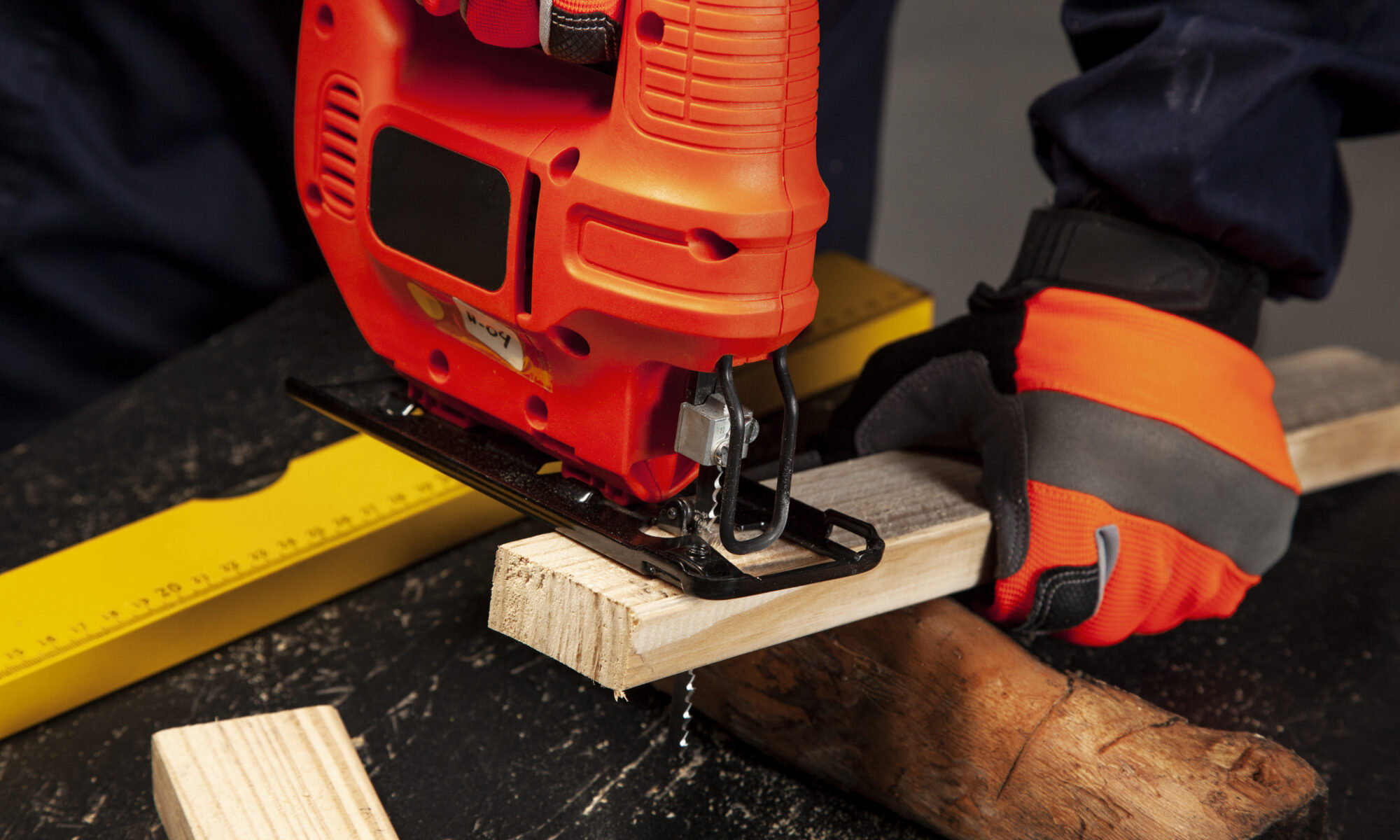
A jigsaw machine is the most essential tool for a woodworking enthusiast or professional. The ability of the jigsaw machine to cut intricate and curved cuts in various materials makes it a very valuable addition to every workshop. It is used for numerous purposes other than woodcutting, like cutting plastics, ceramic tiles, and metals. What makes jigsaw the most amazing tool is that it is a multipurpose tool. Jigsaws can replace other equipment like routers, scroll saws, band saws, and circular saws. Jigsaws can also be used to drill holes for appliances like sinks, hobs, and electrical sockets in addition to cuttingBesides being an allrounder tool, it is also lightweight, portable, and easy to use and handle. The cordless jigsaw tool reduces various hazards and has moreover advanced features due to the various accessories that come with it. To choose the jigsaw, let’s understand a few things you need to know before buying a jigsaw machine and discuss a thorough jigsaw selection guide. For that, first, we’ll have to understand what are various types of jigsaw.

4 significant Types of Jigsaw Machine

  •   Corded jigsaw –

Jigsaws that use a power cable that is linked to an electrical outlet are known as corded jigsaws. They provide steady power and are used where heavy work is required. They are difficult to handle for beginners and have high-risk hazards.

  • Cordless  Jigsaw –

These portable, battery-operated jigsaw tools can be utilized the same way as their regular corded jigsaws, but they are portable and battery-operated. For individuals working in locations with little to no access to a power source, this is the perfect jigsaw tool. They always deliver an amazing performance compared to other categories due to the high power of lithium-ion rechargeable batteries in them. Charge the cordless jigsaw’s batteries to get cutting without having to worry about managing long cords. Check out one of the best cordless jigsaw machine now.

  • Orbital Jigsaws –

In addition to the typical up-and-down motion of the blade, orbital jigsaws also include an orbiting action. Because of the modest forward and backward movement of the blade caused by the orbital action, thicker materials can be sliced more quickly. When cutting through wood, it is beneficial.

  • Brushless motor jigsaw –

Power tools, such as jigsaws, are increasingly using brushless motor technology. Compared to traditional brushed motors, brushless motors are more powerful, more efficient, and have a longer tool life. Power tools, such as jigsaws, are increasingly using brushless motor technology. Compared to traditional brushed motors, brushless motors are more powerful, more efficient, and have a longer tool life. Check out this cordless jigsaw machine to meet your crafting needs.

Jigsaw Selection Guide

A jigsaw is a very valuable addition to your toolkit, but before buying a jigsaw, you must know 2 things

  • How do I choose a jigsaw –

Choosing a jigsaw is based on various factors like your needs, budget, and the type of project you have to work on. Consider factors like power source, type of project, blade changing mechanism, orbital action, brushless motor, speed control, rpm, cordless/corded, battery charging time, blade compatibility, warranty period, brand reviews etc. Every jigsaw has different features. Know the project you are working on and then choose a jigsaw machine by referring to the parameters mentioned above.

  • What type of jigsaw is the best?

Now this is a very need specific question. This depends on the requirements of your projects and the ability of the person operating it. Compared to corded vs cordless jigsaw machines, A corded jigsaw is powered by a connection to a power outlet, whereas a battery powers a cordless jigsaw. They function exactly as indicated by their names. Both have advantages and disadvantages unique to them. Cordless jigsaw stands out due to multiple benefits like portability, ease to handle, doesn’t require electricity, minimum risks of hazards, advanced features due to various accessories etc. Using a cordless tool is a very ideal choice for beginners due t minimal chances of troubles. Also, consider the price, power source, speed, type of blade compatible with your project, and type of handle for ease of operating and, most importantly, brand reputation in the market. To get the best jigsaw machine for your needs, check these out.( link of jigsaw machines)

Cordless Angle Grinders: Uses And Benefits

A Cordless angle grinder is a handheld power tool used for three primary purposes, grinding, cutting, and polishing metal. It is used in various fields and applications for cutting, grinding, polishing, and shaping jobs. To carry out these functions, a cordless angle grinder uses a battery-driven abrasive disc or wheel that rotates quickly. Being cordless, it is elementary to handle and operate, increasing productivity as the battery is rechargeable and requires less charging time. Let’s see the benefits and uses of angle grinders in detail below.

What are the uses for angle grinders?

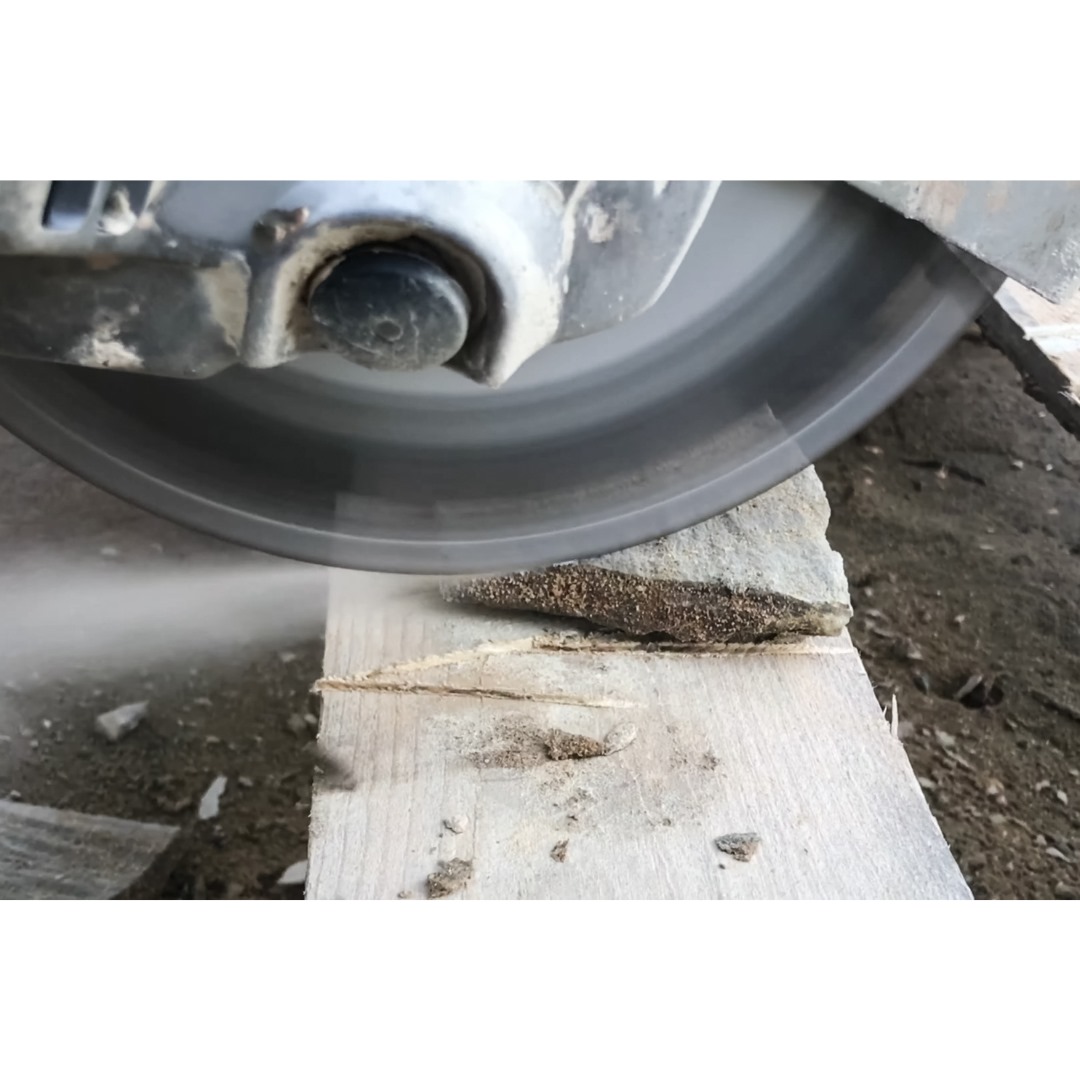
  • Cutting: Cordless angle grinders can easily cut through various materials, including metal, tile, stone, concrete, and more. Depending on the material being cut, they can be fitted with several kinds of cutting discs.
  • Grinding: These grinders work well for shaping metal and other materials, smoothing out welds, and grinding down rough surfaces. They can be fitted with abrasive discs and grinding wheels.
  • Polishing: With the proper attachment, cordless angle grinders can also be used for operations like polishing stone countertops or reviving the lustre of metal surfaces.
  • Masonry Work: They are helpful for masonry tasks like shaping and cutting bricks or pavers to size.
  • Removing Rust and Paint: Cordless angle grinders with wire brush attachments are excellent for removing paint, corrosion, and other coatings from metal surfaces.
  • Sculpting: Angle grinders are used by craftspeople and artists to shape and sculpt materials, including metal, stone, and wood.

Benefits of cordless angle grinders

The lack of a power cable makes cordless angle grinders extremely portable and suited for operations in far-off or difficult-to-reach locations where power outlets may be in short supply. Cordless angle grinders are incredibly versatile equipment that may be used for various jobs, from rough cutting and grinding to finer shaping and polishing. The absence of tangled cords and the requirement to find power outlets are made possible by the cordless design. This reduces wasted time and lowers the chance of mishaps from tripping over cords. Since there is no cord, there is no chance you will accidentally cut it while using the tool, as can happen when using corded tools. These grinders are easy to handle and use because they are cordless. Compared to their corded counterparts, certain cordless angle grinders are designed to be quieter and produce less vibration, providing a more comfortable working environment. With cordless angle grinders, users are not constrained by the length of the power cable. The setup process is made more straightforward, and you can work more quickly because you don’t need to find a power outlet or utilize extension cords.

 How do you use a Cordless Angle Grinder?

 Considering safety first, make sure you are wearing masks, safety glasses, heat protection, and gloves before operating cordless, a make sure to work in a well-ventilated area. Make sure that the battery is fully charged before using the machine. Use the proper angle grinder attachment for the desired task to gain the best outcome, and secure the guard properly. The hazard risk is the bare minimum as these are cordless angle grinders.

 Corded vs Cordless Angle Grinder.

 Cordless drills have numerous benefits over corded drills, as it runs without electricity. It is convenient in nature and has advanced features due to various accessories, such as multiple heads and attachments for precision. It makes less noise and prevents headaches and migraines. The best cordless lightweight drills can be used where there are frequent power cuts or in remote locations. The most crucial benefit of using cordless drills is that it reduces the risk of hazards to a greater extent as no electricity is involved. The high-power lithium-ion batteries in cordless drills are rechargeable and come with a fast charger, which saves a lot of time and increases productivity. For a beginner, cordless drills are way better than corded drills as they are effortless to use and are comparatively light in weight. Even industries have shifted to cordless power drills due to ease of handling and reduced risk hazards.

The fact that a cordless angle grinder doesn’t require power gives it many advantages over a corded one. It can perform a variety of cutting, grinding, polishing, and shaping tasks and is utilized in a wide range of industries and applications. Using a battery-powered, swiftly rotating abrasive disc or wheel, a cordless angle grinder performs these tasks. Due to its lack of a cord, it is incredibly user-friendly, boosts productivity, and requires less time to charge its batteries. Due to many accessories, including different heads and attachments for precision, it is extremely practical and offers advanced functionality. Both headaches and migraines are avoided, and there is less noise. The best lightweight cordless angle grinders are suitable for usage in distant areas or in situations where power outages are expected.

Top 5 Captivating Benefits Of Switching To A Cordless Drill

Top 5 Captivating Benefits Of Switching To A Cordless Drill

Is cordless drill better?

In the ever-evolving world of DIY projects and home improvement, the cordless drill stands as a shining beacon of innovation. It is a versatile powerhouse that not only simplifies your tasks but also grants you the freedom to roam untethered. Gone are the days of fumbling with cords and searching for outlets; the cordless drill has emerged as a game-changer. In this electrifying blog, we’ll dive into the ‘What are the advantages of cordless drills ‘and why making the switch to a cordless drill is like unleashing a whirlwind of convenience, efficiency, and safety.

Benefits of Switching to a Cordless Drill

  1. Portability and Mobility – The Freedom to Roam

Imagine a world where you can drill holes, fasten equipment, and assemble furniture without being tied down by cords or searching for elusive power outlets. Cordless lightweight drills are the superheroes of mobility. Powered by rechargeable batteries, they are your trusty companions in any location, at any time. Say goodbye to the frustration of frequent power cuts or struggling to access electricity in remote areas. With a cordless drill, you are free to tackle projects wherever your creativity takes you.

  1. Ease of Use – Streamlining Your DIY Experience

Unleash your inner DIY enthusiast with the sheer simplicity of the best affordable cordless drills.  No more wrestling with tangled cords or resorting to extension cables when the wire falls short. This sleek tool eliminates the risks associated with electrical mishaps, making it ideal for beginners and seasoned pros alike. In extended working periods, it’s a workhorse that not only gets the job done but also boosts your productivity to new heights.

  1. Less Noise – A Serenade of Silence

Cordless drills are the virtuosos of silence in the power tool orchestra. When compared to their corded counterparts, they emit significantly less noise, sparing you from contributing to noise pollution or disturbing the tranquility of your surroundings. Bid farewell to headaches and migraine triggers caused by the relentless racket of traditional drills.

  1. Safety – No Strings Attached

Safety should always be a priority in any project, and cordless lightweight drills excel in this department. With no cords to trip over or accidentally sever, you minimize the risk of electrical hazards and entanglement-related accidents. It’s a reassuring choice, especially for beginners taking their first steps into the world of power tools. Your DIY adventures are about to become safer and more enjoyable than ever.

  1. Advanced Features – A Toolbox of Possibilities

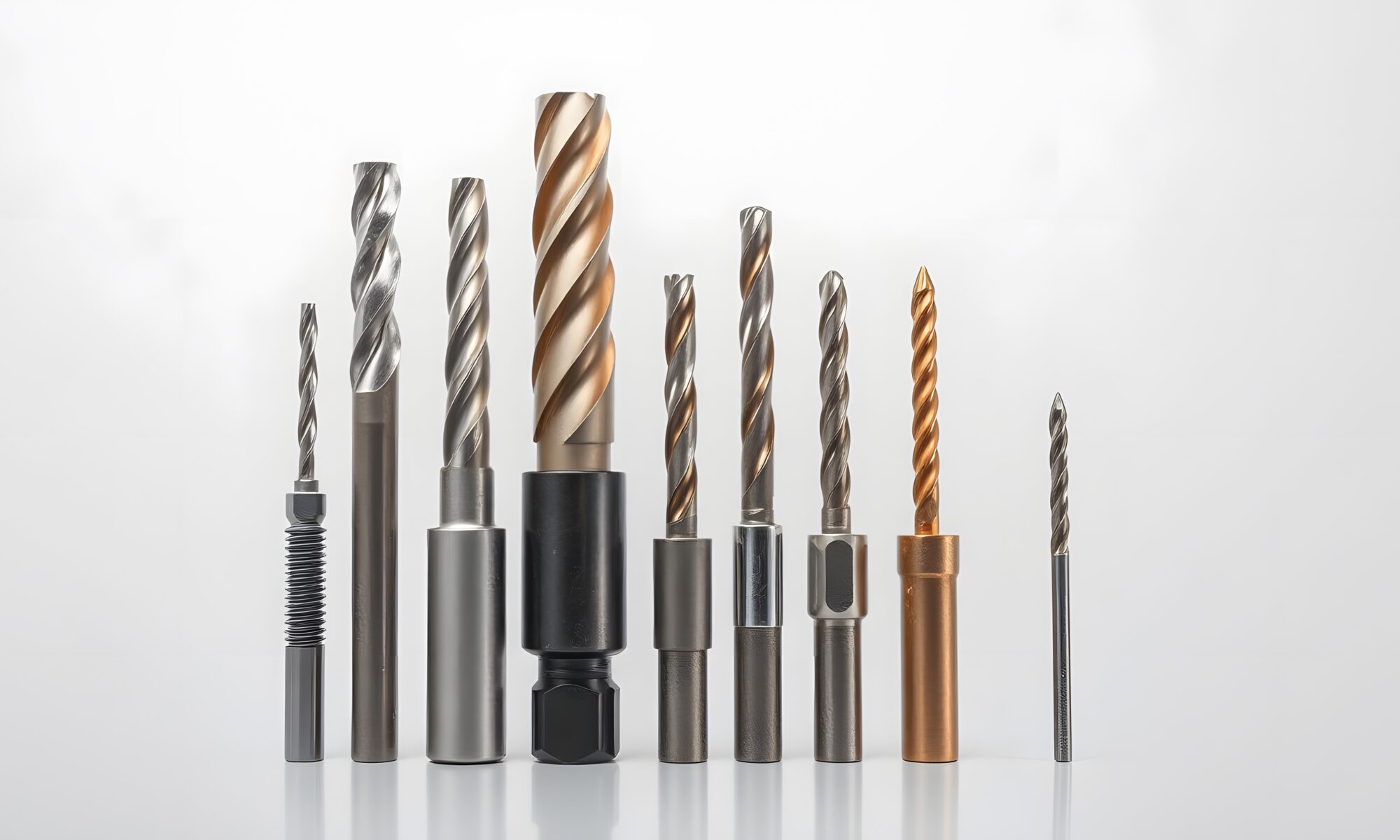
Cordless drills don’t just stop at convenience and safety; they offer a cornucopia of advanced features. These versatile tools can be equipped with an array of accessories, from drill bits to screwdriver heads and hammer drill attachments. Many best cordless drills even feature customizable speeds and torque settings, allowing for precise control across various materials. It’s like having a Swiss army knife of power tools at your disposal.

Corded vs. Cordless: The Best cordless Drill?

Now that we’ve unearthed the treasures of cordless drills, you might be wondering if they truly outshine their corded counterparts. The answer, is a resounding yes! Cordless lightweight drills are the champions of convenience, powered by rechargeable batteries that liberate you from the shackles of electricity. They are incredibly versatile and equipped with advanced features thanks to a range of accessories.

No more worrying about power cuts or remote locations where outlets are a rare sighting. Cordless drills are lightweight, easy to handle, and emit significantly less noise, making them a clear winner in terms of user-friendliness. The absence of cords eliminates safety hazards and tripping risks, offering a secure working environment for beginners and professionals alike. Even industries have recognized the benefits of cordless power drills, embracing them for their ease of handling and reduced risk of accidents.

Conclusion –

Cordless drills, with their rechargeable lithium-ion batteries and a plethora of benefits, have revolutionized the world of power tools. They bring portability, ease of use, safety, and advanced features to the forefront, making them an indispensable part of any DIY enthusiast’s arsenal.

Now that we’ve provided you with the benefits of switching to a cordless drill, wait no more! However, remember when selecting a cordless drill, consider factors like battery life, voltage, and compatibility with your existing tools. The era of cordless drills has dawned, and it’s time to embrace the freedom, convenience, and efficiency they offer.

Unleashing The Shine: A Guide To Cordless Polishing Kit:

Cordless Polishing Kit

Introduction:

A cordless polishing kit is not just a tool; it’s a versatile powerhouse that can transform dull surfaces into radiant ones. Whether you’re into car detailing, woodworking, or simply want to revitalize your household items, a cordless polishing machine is your go-to companion. In this guide, we’ll delve into the working principle of polishing, explore its myriad uses, and ensure you know how to maintain your kit for long-lasting performance.

What is the purpose of a polishing machine?

 A portable, adaptable tool made for numerous surfaces enhancing jobs is a cordless polishing machine. Its main function is to polish, buff, and clean surfaces in order to provide a smooth and reflective finish by delicately erasing flaws. It effectively renews surfaces, removing scratches, oxidation, and imperfections, making it perfect for diverse surfaces. Its cordless feature allows for mobility without being restricted by power wires. It supports jobs including restoring car exteriors, revitalizing furniture, and reviving metal fixtures thanks to a variety of integrated accessories. In general, a cordless polishing kit is a versatile, practical instrument for producing spotless surfaces in a variety of applications.

 What is the working principle of polishing?

 The prowess of cordless polishing machine:

Polishing, at its core, is the art of delicately removing a thin layer from a material’s surface to achieve a smooth and reflective finish. The process begins by clearing away visible debris and larger defects. Coarse abrasive substances tackle deeper scratches and imperfections, while finer abrasives gradually smooth out the surface. Enter the magic of buffing compounds – they generate heat and friction as the machine operates, breaking down the compound and delivering a high-gloss finish. For that final touch, switch to a softer pad and a fine polishing compound.

What are the uses of a polishing machine?

  • Car Detailing: Cordless polishing kits are automotive enthusiasts’ best friends. They rejuvenate car exteriors by banishing light oxidation, swirls, and scratches, leaving the surface gleaming like new. Whether you’re building a car from scratch or restoring one, these cordless car polishing machines have your back!
  • Household Magic: These kits are equally at home in your home. Use them to restore the shine to metal fixtures, faucets, and appliances. Revamp your furniture and make it look fresh again. With various brushes and tools, cordless polishing kits tackle a wide range of household chores.
  • Woodworking: Woodworkers appreciate the finesse of polishing kits. After sanding, these machines step in to provide a polished, smooth finish to wood surfaces, elevating the quality of your woodworking projects.
  • Electronics: Small dings and scuffs on electronic devices like smartphones and tablets are no match for cordless polishing kits. They can restore clarity to glass surfaces and give your devices a refreshed look.
  • Metal Polishing: Metal surfaces, from chrome to stainless steel and aluminum, can regain their former glory with the help of these kits. Say goodbye to rust, corrosion, and unsightly scratches.

The best cordless polishing kits maintenance:

To ensure your cordless polishing kit remains your trusty sidekick, follow these maintenance tips:

  1. Cleanliness is Key: After each use, clean the machine and its accessories to prevent the buildup of polishing compounds that can impair effectiveness.
  2. Proper Storage: Store your kit and its components away from direct sunlight and moisture to extend their lifespan.
  3. Battery Care: Follow the manufacturer’s instructions for charging and discharging the battery. Avoid overcharging, as it can shorten the battery’s life.
  4. Replace Pads as Needed: Depending on usage, polishing pads will wear out. Swap them out when necessary to maintain consistent results.
  5. Lubrication: Some polishing kits require occasional lubrication for their moving parts. Refer to the user handbook for specific instructions.

Conclusion:

Your cordless polishing kit is a versatile companion, ready to tackle a range of tasks from car detailing to household maintenance. By obtaining from credible and quality suppliers, harness its various uses, and following proper maintenance, you’ll ensure that your kit continues to shine for years to come!