

No products in the cart.

 Krost
Krost Contact us




























How to Choose the Right Drill Bit for Metal, Wood, Concrete, and Tile
Picking up the nearest drill bit and hoping for the best is one of the most common ways a simple job turns into a frustrating one. Use the wrong bit on the wrong material and you end up with a cracked tile, a burnt out bit, a splintered piece of wood, or a hole that simply won’t go where you want it to. Choosing the right drill bit for the material in front of you isn’t just about getting a cleaner result, it’s also what keeps your bits and your drill lasting longer instead of wearing out after a handful of uses.
This guide walks through drill bit types for materials you’re likely to work with at home or on site, whether you’re a DIY homeowner tackling a weekend project or a professional who drills through different surfaces every day. By the end, you’ll know exactly which bit reaches for which job.
Understanding Drill Bit Types and Materials
Not all drill bits are built the same, and that’s by design. The tip material, the flute shape, and any coating on the bit all play a role in what it’s actually suited for.
- HSS (High Speed Steel) bits : are the general-purpose workhorses, good for wood and light metal work
- Carbide-tipped bits: hold an edge far longer and are built for tougher materials like masonry and tile
- Masonry bits: have a wider, flatter tip designed to grind through concrete and brick rather than cut like a blade
- Spade and auger bits: are wood-specific, shaped for fast material removal and larger diameter holes
- Diamond-tipped and carbide spear-point bits : are made for brittle, hard surfaces like tile and glass, where a standard twist bit would just crack the surface.
Best Drill Bits for different surfaces
Different surfaces need different drill bits. Choosing the right type for wood, metal, concrete, tiles, or masonry ensures cleaner holes, better control, and longer bit life.
Best Drill bit for Metal
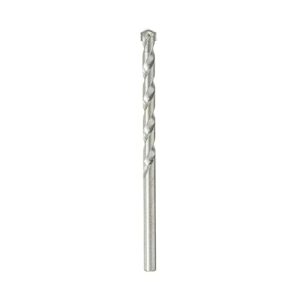
Drilling metal requires a bit that can handle heat without losing its sharpness. HSS bits are a dependable choice, while cobalt bits are better suited for tougher metals and frequent use. Titanium coated bits also help reduce friction and improve durability. The Bosch Professional Impact Drill Bit / Masonry Drill Bit Set (6.5mm) is a useful option for precise drilling jobs where consistent performance matters.
Best Drill Bits for Wood

Wood drilling works best with brad point, spade, and auger bits, depending on the hole size and finish required. A brad point bit gives cleaner starts and better accuracy, while spade bits work well for larger holes. Supporting the wood underneath also helps reduce splintering when the bit breaks through.
For wood cutting tasks, the INGCO AKDL1201 12 Pcs Wood Drill Bits Set, Carbon Steel Paddle Flat Bit with ¼ is a practical choice for compatible saws. Its tungsten carbide tipped design and 24 tooth configuration help deliver smooth, controlled cuts through wood, making it useful when projects involve cutting boards alongside drilling and fitting work.
Best Drill Bits for Concrete
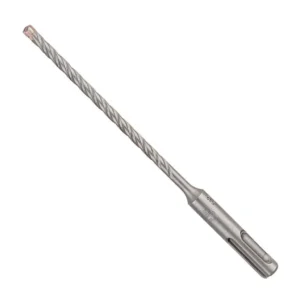
For concrete and masonry, carbide tipped masonry bits are suitable for lighter drilling jobs, while SDS and SDS Plus bits are designed for rotary hammer drills and tougher surfaces. Using the right bit makes drilling easier and helps prevent unnecessary wear. Starting slowly, using hammer mode where suitable, and clearing dust regularly can also help maintain smoother drilling and cleaner holes.
For regular concrete, brick, and masonry work, the Bosch SDS Plus 5X Hammer Drill Bits (Pack of 5) is a practical choice. Its SDS Plus shank is made for compatible rotary hammer drills, while the five piece set provides different bit sizes for various drilling needs. This makes it useful for construction, renovation, and other demanding masonry applications.
Best Drill Bits for Tile and Glass
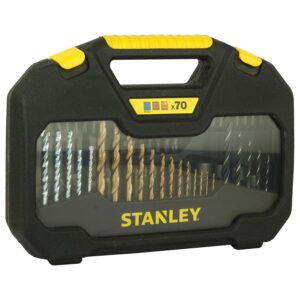
Tile and glass need careful drilling to avoid cracks and damage. Diamond tipped bits work well for hard ceramic and porcelain tiles, while carbide spear point bits are suitable for glass and softer tiles. Using low speed, avoiding hammer mode, and keeping the drilling area cool with water can help create cleaner holes with less risk of cracking.
For a versatile option, the STANLEY STA7184 XJ Titanium Drill Bit Set (70pc) offers a wide selection of sizes for everyday DIY work. Its titanium coating helps reduce friction and improve durability, making it useful for projects involving wood and light metal drilling.
How to Maintain and Store Drill Bits for Longer Life
A little maintenance goes a long way toward getting more use out of your bits. Wiping bits down after use prevents rust from building up, which matters more than you’d think in India’s humid climate, especially during monsoon months when moisture sits in toolboxes longer than usual. Storing bits in a proper case or organizer rather than tossed loose in a drawer also protects their cutting edges from dulling against other metal tools.
HSS bits can usually be sharpened at home with a bit sharpener or a bench grinder if you know what you’re doing, extending their life significantly. Carbide and diamond-tipped bits, on the other hand, are generally better replaced once they dull, since attempting to sharpen them at home often does more harm than good.
Why Choose AtoZ Shop for Drill Bits and Drilling Accessories
Getting the material-to-bit match right is only half the equation, the other half is making sure what you’re buying is actually genuine and built to the specifications it claims. AtoZ Shop carries a wide range of trusted drill bit brands including Bosch, Makita, and Stanley, covering everything from metal and wood to concrete and tile specific options, so you’re not stuck compromising because your usual supplier doesn’t stock the right type.
Ordering online comes with its own set of concerns, and that’s covered too, with nationwide delivery, secure payment options, and an easy returns process if something isn’t right. Whether you need a single specialty bit for one specific job or a broader multi-material set that covers several types of work, both are available under one platform rather than requiring separate purchases across different stores. If you’re unsure which bit type or size actually fits your project, the customer support team is available to help you figure that out before you order rather than after.
Conclusion
Choosing the right drill bit ultimately comes down to matching the bit’s design to the material you’re working with, whether that’s metal, wood, concrete, or tile. Get it right and you’ll notice cleaner holes, less wasted effort, and bits that actually last through multiple projects instead of wearing out after one. Get it wrong and you’re looking at cracked tiles, snapped bits, or a drill motor working far harder than it needs to.
The simplest habit to build going forward is checking the bit type before you start, not after something goes wrong. And if your toolbox doesn’t already have a decent, versatile set covering the materials you work with most often, it’s worth having one on hand before the next project comes up rather than scrambling for the right bit mid-job.
FAQs
- Which drill bit is best for drilling into concrete walls in Indian homes?
A carbide-tipped masonry bit works for occasional light drilling, but for most Indian home walls, which are often solid concrete or brick, an SDS-Plus bit paired with a rotary hammer drill gives faster, cleaner results with far less effort. - Can the same drill bit be used for both wood and metal?
Generally, no. A bit designed for wood isn’t hardened enough to cut cleanly through metal, and using it that way usually damages the bit or produces a rough, unreliable hole. It’s better to keep dedicated bits for each material. - What is the difference between a masonry bit and an SDS bit?
A standard masonry bit has a regular round shank and works with any drill, though it’s slower on dense concrete. An SDS bit has a grooved shank designed specifically to lock into a rotary hammer drill, allowing it to use the hammering action for much faster masonry drilling. - Which drill bit is safe to use on bathroom tiles without cracking them?
A diamond-tipped bit or a carbide spear point bit, used at low speed without hammer mode, is the safest option for bathroom tiles. Keeping the drilling point cool with water or tape also helps prevent cracking. - How do I know when a drill bit has become dull and needs replacing?
If the bit is taking noticeably longer to drill through a material it used to handle easily, generating excess heat, or producing rough, uneven holes, it’s likely dulled and due for sharpening or replacement depending on the bit type. - Do I need a hammer drill for concrete, or will a normal drill work?
A normal drill can manage occasional light holes in softer masonry, but for regular or deeper concrete drilling, a hammer drill makes the job significantly faster and puts less strain on both the bit and the motor. - What size drill bit set is best for home DIY use in India?
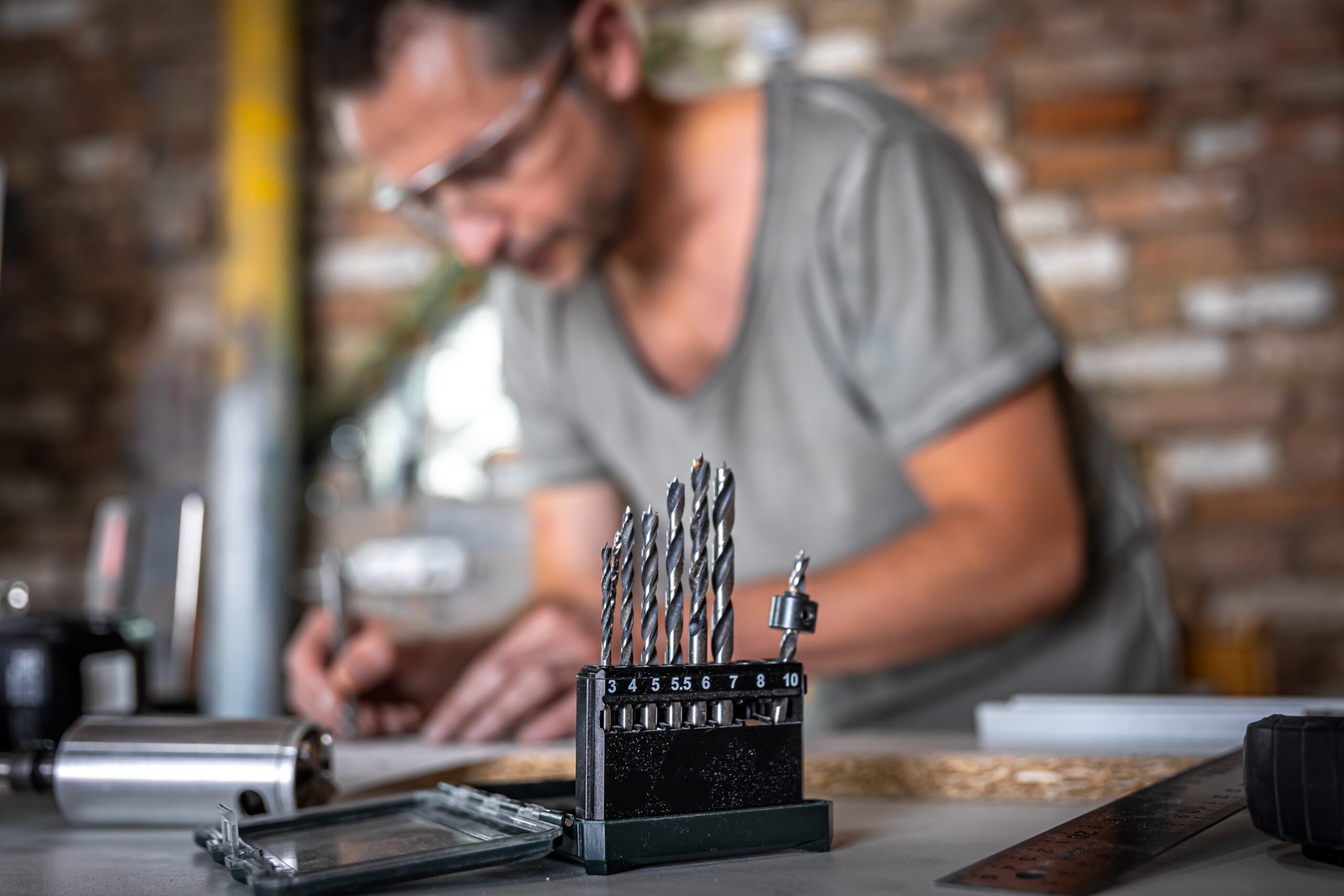
A mixed set covering common sizes from around 3mm to 10mm, along with a few masonry specific sizes, covers most household tasks like hanging shelves, mounting fixtures, and general repairs without needing to buy individual bits repeatedly. - Why does my drill bit overheat while drilling metal?
Overheating usually happens from drilling too fast, applying too much pressure, or skipping lubrication. Slowing down the speed and using a cutting oil or lubricant on thicker metal keeps the bit cooler and extends its working life.