

No products in the cart.

 Krost
Krost Contact us
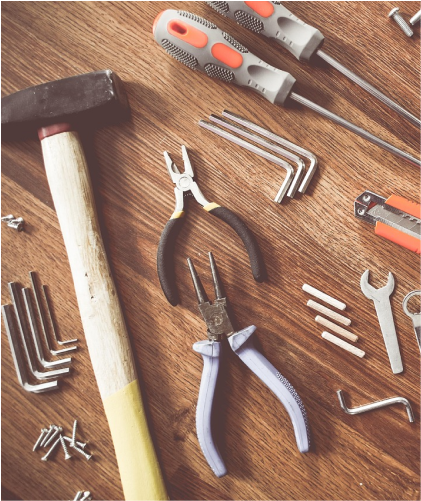




























Best Cutting Tools for Foam, Thermocol & Lightweight Materials
Anyone who has tried slicing through a thermocol sheet with a regular kitchen knife knows the result: crumbling edges, jagged lines, and a piece that looks nothing like what you had in mind. Foam and thermocol simply don’t respond to the same tools that work fine on wood or cardboard.
This guide covers the right tools for cutting lightweight materials, whether you’re a student working on a school model, a hobbyist building a craft project, or someone putting together event and decor pieces. Getting the tool right matters more here than most people expect.
Why Foam and Thermocol Need Special Cutting Tools
These materials are brittle, crumbly, and sensitive to heat, which is exactly why a regular knife or saw tends to tear rather than slice through them. Standard blades drag and compress the material instead of cutting cleanly, leaving rough, uneven edges behind.
Types of Cutting Tools Suitable for Lightweight Materials
Different jobs call for different approaches here, from heat-based melting to sharp blades to fully powered options.
Hot Wire/Heat-Based Cutters
A hot wire foam cutter melts through foam and thermocol cleanly instead of tearing it apart, which is why this method is so popular for thermocol art, sign-making, and cutting packaging shapes. Since melting foam releases fumes, always use these tools in a well-ventilated space rather than a closed room.
Sharp Blade/Utility Knife Cutters
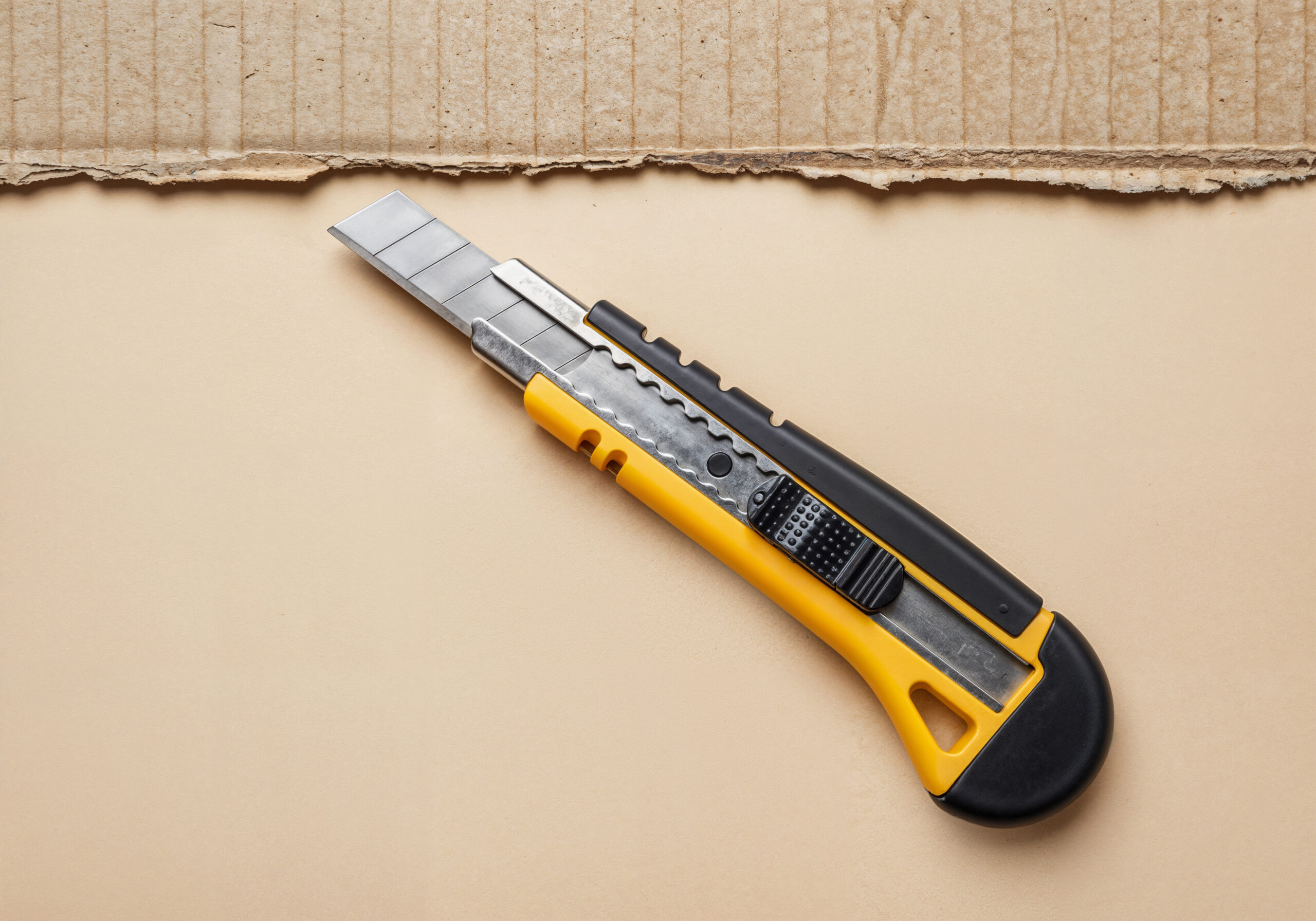
A sharp, replaceable snap-off blade works well for straight cuts on foam sheets and cardboard-backed materials, making a good foam cutting knife one of the most budget-friendly and accessible options for home and DIY use. There’s no setup required, just a steady hand and a fresh blade.
Electric/Cordless Cutting Tools
Powered options act more like a proper foam cutting machine, helping you get faster, more consistent cuts on thicker foam or layered lightweight materials than a manual blade ever could. These suit frequent or bulk cutting needs far better than occasional one-off hobby projects.
Top Cutting Tools to Buy for Foam, Thermocol & Lightweight Materials
None of the tools below are dedicated foam cutters, but each one covers a specific part of the job well when used the right way.
For Heat-Based Cutting/Edge Sealing
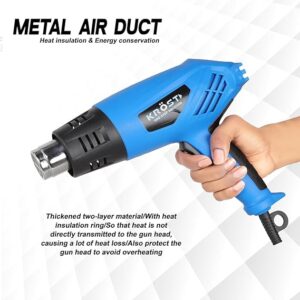
The KROST Heat Gun 2000W is a heat gun rather than a dedicated hot-wire cutter, commonly used for shrink wrapping and crafting, though it can also help seal and smooth foam edges after cutting. Dual temperature and airflow control let you adjust intensity, but use low heat settings near foam to avoid melting through unevenly.
For Precision Straight Cuts
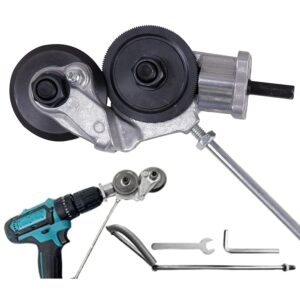
Among the more reliable thermocol cutting tools for manual work is the KROST Metal Sheet Cutter Attachment for Drill machine Electric Drill refitting plate shears tool. Its snap-off blade design keeps the cutting edge always sharp for clean lines on foam sheets, thermocol, and cardboard. It’s affordable and easy to use, making it a solid pick for students, hobbyists, and craft makers working with thinner materials over shorter sessions.
For Cutting Layered or Thicker Lightweight Materials
The KROST Professional Cordless Rechargeable Easy-Slice Electric Knife is primarily built for craft and tailoring use, but its reciprocating serrated blade can handle thicker foam or layered lightweight material well as one of the more versatile tools for cutting thermocol in bulkier projects. Cordless convenience and a safety-lock trigger make it better suited to repeated cutting rather than the occasional one-off job.
For Fabric-Backed or Combination Lightweight Materials
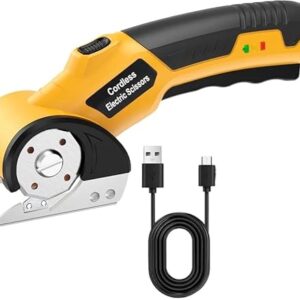
The KROST Electric Cloth Cutting Scissors is designed for fabric and leather, but it works well as one of several foam cutting tools for crafts when dealing with foam-backed or fabric-laminated sheets used in decor projects. Its cordless, rechargeable design adds portability, though it’s not meant for thick, rigid foam blocks, best kept to thin, flexible sheets.
How to Get Clean Cuts Without Damaging Foam or Thermocol
Getting a smooth, professional edge isn’t about pressure or power, it’s mostly about avoiding a few easily fixable mistakes.
Common Mistakes to Avoid
Dull blades, too much applied pressure, and overly high heat settings are the most common reasons foam and thermocol end up melted unevenly or torn apart. Always test your foam cutting tools on a scrap piece before committing to the final cut.
Tips for Precision and Smooth Edges
Using a straight edge or ruler for guided cuts, moving slowly and with control, and marking your cut lines beforehand all lead to noticeably cleaner results. Keeping tools free of melted residue between cuts also keeps every subsequent cut as clean as the first.
Why Choose AtoZ Shop for Foam, Thermocol & Lightweight Material Cutting Tools
AtoZ Shop carries trusted brands like Krost, Taparia, and Bosch, covering a genuine range of craft, DIY, and precision cutting tools rather than a single narrow selection. Ordering online comes with nationwide delivery, secure payment options, and an easy returns process if something isn’t quite right for your project.
Whether you need a simple manual cutter for occasional use or a more capable electric option for frequent, bulk cutting, both are available under one platform. If you’re unsure which tool actually fits your specific project, customer support is available to help you decide before you order.
Conclusion
Choosing between a heat-based cutter, a sharp blade, or an electric tool really comes down to your material thickness and the type of project you’re working on. Clean cuts come from matching the right tool to the material, not simply reaching for the most powerful option available.
It’s worth keeping a couple of different cutting tools on hand rather than relying on just one, since foam, thermocol, and fabric-backed materials each respond differently depending on the job in front of you.
FAQs
- What is the best tool to cut thermocol sheets at home in India?
For most home use, a sharp snap-off blade cutter gives clean, manageable results without needing any setup. For larger or decorative projects, a hot wire cutter offers smoother edges with less crumbling. - Can a normal knife or blade be used to cut foam and thermocol?
A regular kitchen knife usually tears rather than cuts cleanly through these materials. A sharp, dedicated blade, especially a snap-off type kept fresh, works far better and leaves a much cleaner edge. - Is a hot wire cutter safe to use indoors?
Yes, but only with proper ventilation, since melting foam releases fumes that shouldn’t be inhaled in a closed space. Keep windows open or work in a well-ventilated area whenever using one. - What tool gives the cleanest cuts for thermocol art and school projects?
A hot wire cutter typically gives the smoothest, most professional-looking edges for detailed thermocol art, while a sharp snap-off blade works well for simpler, straight-line school project cuts. - Can a heat gun be used to cut foam instead of a hot wire cutter?
A heat gun isn’t designed for cutting foam and works better for sealing or smoothing edges after cutting. Used carelessly at high heat, it can melt foam unevenly rather than producing a clean line. - How do I stop thermocol from crumbling while cutting?
Using a sharp, unworn blade and applying light, steady pressure instead of forcing the cut usually prevents crumbling. Marking your cut line beforehand and moving slowly also helps keep edges intact. - What is the difference between cutting foam and cutting thermocol?
Foam is generally denser and more flexible, while thermocol is more brittle and prone to crumbling. Thermocol usually needs a sharper, lighter touch, while denser foam can handle slightly more pressure or a powered tool. - Are cordless electric cutters better than manual blades for foam and craft projects?
For frequent or bulk cutting, cordless electric cutters save time and give more consistent results. For occasional, smaller projects, a manual blade is usually simpler, cheaper, and just as effective.