
Cart Icon 0
Cart Icon 0
Cart Icon 0

How to Choose the Right Sockets for an Impact Wrench

Sockets for impact wrench

You have the impact wrench, the battery is charged, and the wheel nut is stuck. You grab a socket from the old toolbox, push it on, and pull the trigger. The nut barely moves, and the socket looks tired. It happens more often than you think.
An impact wrench hits a fastener with short, hard bursts of force, and the socket takes every one of those hits. A bad fit, or a socket not built for impact, can round off the nut or even crack under load. That gets risky fast.

The fix is simple once you know what to look at. This blog will help you understand drive size, socket material, size, depth, point design and safety, so you can pick sockets that match your wrench, your fasteners and the jobs you do every week.


What Makes an Impact Socket Different from a Regular Socket?

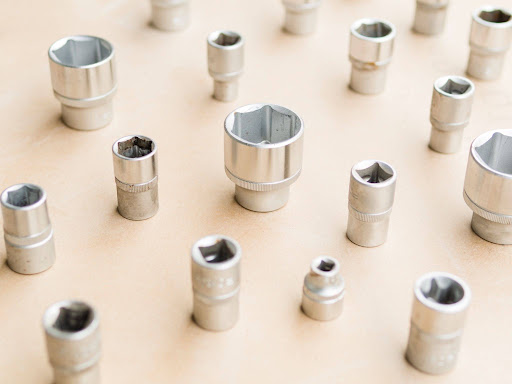
Impact sockets are built to handle the repeated shock loads that impact tools create, while regular sockets are made for manual tools only. Never assume a standard hand-tool socket is safe on an impact wrench, because it can crack or shatter under repeated hits and become a real safety risk.

Impact sockets are commonly made from chrome molybdenum (Cr-Mo) steel and often have a dark finish. However, colour alone is not proof of an impact rating. Always check the product specifications and markings before you buy, so you know the socket is truly made for use with an impact wrench.


How to Choose the Right Sockets for Your Impact Wrench

Match the Socket Drive Size to Your Wrench

  • What it is: Drive size is the square connection between the wrench and the socket, not the size of the nut you are turning.
  • Common sizes: 3/8-inch suits smaller automotive work, 1/2-inch covers many general automotive and workshop jobs, and 3/4-inch handles larger, heavy-duty fasteners.
  • Match the anvil: The socket’s drive size should match the wrench’s anvil, so check the manufacturer’s recommendations before you buy.


Choose the Correct Socket Size

  • Drive vs fastener: Drive size is the connection to the wrench, while socket size is the opening that fits your nut or bolt head.
  • Metric first: Metric sockets are commonly used for many vehicles and machines in India, so they are a safe starting point.
  • Measure, don’t guess: Check the fastener size instead of forcing a near-fitting socket, which can damage both the socket and the fastener.
  • SAE sizes: Choose SAE/imperial sockets only if your equipment uses imperial fasteners.


6-Point or 12-Point Impact Sockets?

  • 6-point: These grip the flats of a hex fastener and are generally a sensible choice for high-torque impact work.
  • 12-point: They offer more engagement positions in restricted spaces, but make sure the socket is impact-rated and suits the fastener.
  • Fastener condition: Check whether the fastener is worn, seized or corroded, because a poor grip is where damage usually starts.


Standard or Deep Impact Sockets?

  • Standard: Standard sockets suit accessible fasteners and are easier to handle in most everyday jobs.
  • Deep: Deep sockets reach recessed nuts or fasteners on longer studs, and can help with some wheel and automotive jobs.
  • Clearance: Think about the space around the fastener and the extra length of a deep socket, since not every application needs one.


Which Impact Socket Set Should You Choose for Your Work?

These sets are examples for different needs, not a ranking. Compare the included sizes with your own fasteners, and check the live listing for price, stock and package contents.


  • For Common Automotive and Workshop Jobs

The INGCO 10PCS 1/2″ Drive Cr-Mo Impact Socket Set suits users whose impact wrench has a matching 1/2-inch drive. It has 10 metric sockets made from Cr-Mo steel, covering sizes from 10 to 24 mm. Not every size in that range is included, so match the sizes against your actual fasteners and confirm the impact rating on the listing. Do not assume it covers every automotive job.


  • For Recessed Fasteners and Longer Studs

The KROST 1/2-Inch Drive Metric Deep Impact Socket Set, 10–24 mm is made for nuts that a standard socket cannot reach because of a long stud or a recessed position. It has a 1/2-inch drive, 10 metric sockets and a socket length of about 78 mm. The listing describes the material as Cr-V steel, so confirm the manufacturer’s impact rating and material details before using it with an impact wrench.


  • For a Wider Range of Socket Sizes

The KROST 24-Piece 1/2-Inch Drive Impact Socket Set, 8–32 mm suits people who work on different fasteners and want a wide range of metric sizes in one kit. It is advertised with an 8–32 mm range, plus extension bars and adapters. Check which socket depths, extensions and adapters are actually supplied. The listing mentions mixed materials, including chrome vanadium steel, so verify which parts are impact-rated before using them with an impact wrench.

 

  • For Both Standard and Deep Socket Options

The INGCO 20-Piece 1/2-Inch Drive Cr-Mo Standard & Deep Impact Socket Set gives you standard and deep sockets in one set, so you can handle open and recessed fasteners without buying two kits. It has a 1/2-inch drive, Cr-Mo material and a 10–24 mm range. Verify the exact number of standard and deep sockets, the included sizes and current availability.


Common Mistakes to Avoid When Buying Impact Sockets

  • Hand sockets: Using regular hand-tool sockets with an impact wrench.
  • Wrong drive: Buying the wrong drive size or assuming an adapter makes every combination safe.
  • Poor fit: Choosing a socket that does not fit the fastener properly.
  • Depth: Ignoring whether a deep socket will fit in the available space.
  • Piece count: Buying a large set without checking the actual socket sizes.
  • Black finish: Assuming a black finish automatically means the socket is impact-rated.


Conclusion

The right impact socket comes down to a few things: the impact rating, drive size, fastener size, socket depth, point design and material. Before you buy, check that the socket works with both your impact wrench and the fasteners you actually work on. A set that fits properly lasts longer and keeps your work safer.

Explore impact socket sets at AtoZ Shop, compare the included sizes and choose a set that matches your wrench and workshop needs.


FAQs

  1. Can I use regular sockets with an impact wrench?
    No. Regular sockets are made for manual tools and can crack under impact. Use sockets rated for impact use.
  2. What size socket fits my impact wrench?
    Match the socket’s drive size (3/8, 1/2 or 3/4 inch) to your wrench’s anvil, then pick the socket size that fits your fastener.
  3. Are 6-point sockets better for impact wrenches?
    Generally yes, because they grip the flats of a hex fastener well under high torque. A 12-point socket can work in tight spaces if it is impact-rated.
  4. What is the difference between shallow and deep impact sockets?
    Shallow sockets suit accessible fasteners. Deep sockets are longer and reach recessed nuts or fasteners on longer studs.
  5. Is Cr-Mo better than Cr-V for impact sockets?
    Cr-Mo is the material commonly used for impact sockets. Whatever the material, check the manufacturer’s impact rating before use.
  6. Should I buy a metric or SAE impact socket set?
    Metric suits many vehicles and machines in India. Choose SAE only if your equipment uses imperial fasteners.
  7. Do I need a deep impact socket set for car work?
    Not always. Deep sockets help with long studs and recessed nuts, and some wheel jobs, but many tasks only need standard sockets.
  8. Can I use an adapter to fit a different socket drive size?
    Adapters exist, but they do not make every combination safe. Follow the manufacturer’s recommendations and use impact-rated adapters.
Bosch 12V vs 18V Cordless Tools: Which One Should You Buy?

BOSCH Tools 12V

You are halfway through assembling a wardrobe, the screw sits in an awkward corner, and your drill is too big to fit. Or you are hanging a heavy shelf, and the small driver gives up halfway. Either way, you realise the tool matters as much as the job.
Then comes the shopping part. Bosch lists tools in 12V and 18V, and the numbers feel like a puzzle. Is bigger always better? Will your first battery work with the next tool you buy? Most people just guess, and guesses get expensive.

Here is the simple truth: voltage is only one part of the answer. Size, weight, torque, and the work you actually do matter just as much. This blog will help you understand the difference between Bosch 12V and 18V tools and pick the setup that fits your work, budget, and plans.


Bosch 12V vs 18V Cordless Tools: What Is the Difference?

What Does 12V or 18V Mean?

  • Voltage class: It refers to the battery platform’s nominal voltage, so it tells you which system the tool belongs to, not how good it is.
  • Not the full story: Higher voltage alone does not decide performance, so never judge a tool only by the number printed on the battery.
  • Other factors: Motor design, tool mechanism, battery capacity and the exact application also affect how a tool performs on the job.


Size, Weight and Handling

  • Compact 12V: Smaller 12V tools are easy to handle for overhead work, cabinetry, furniture assembly and other jobs in tight spaces.
  • 18V size: Some 18V tools are larger or heavier, depending on the model and the battery you attach to them.
  • Total weight: Always compare the weight of the full tool with the battery fitted, because that is what your arm carries all day.


Power and Application Range

  • 18V range: Bosch offers 18V tools for demanding jobs like drilling, grinding and cutting, so there is more choice for heavy work.
  • 12V capability: 12V tools still handle many professional and everyday tasks, as long as their specifications match the job you have.


Bosch 12V vs 18V Cordless Tools: Product Options to Compare

These are examples of what each system offers, not a ranking. Compare the specifications against your own work, and check the live listing for price, stock, and package contents.


  • For Compact Drilling and Screwdriving

The Bosch GSR 120-LI Cordless Drill Driver with Battery, Charger and Carry Case suits home repairs, furniture assembly and everyday drilling or screwdriving. It has a two-speed gearbox, 14/30 Nm soft/hard torque, and comes with batteries, a charger and a carry case. Check its drilling capacity and battery runtime against the jobs you do most often.


  • For Tight Spaces and Lightweight Handling

The Bosch GSR 12V-35 HX Cordless Screwdriver is built for screwdriving and drilling in restricted spaces. It has a brushless motor, a 1/4-inch bit interface and weighs about 0.57 kg without the battery. The listing says the battery and charger are sold separately. It is a handy screwdriver/drill option, not a replacement for every high-torque tool.


  • For Cordless Bolting and Workshop Fastening

The Bosch GDS 18V-350 Professional Cordless Impact Wrench is made for bolting and fastening. It has a compact 131 mm head and three torque levels of 85, 200 and 350 Nm. An impact wrench is not a substitute for a drill/driver, so pick it for fastening jobs. Check whether the battery and charger are included.


Bosch 12V vs 18V Battery Compatibility and Runtime

  • Separate systems: Bosch Professional 12V batteries and chargers work with the compatible 12V system, while 18V batteries and chargers work with the 18V system.
  • Ah capacity: Amp-hour (Ah) shows how much energy a battery stores, so a higher number can give longer runtime, but it does not mean more power.
  • Weight and bulk: Higher-capacity batteries can add weight and bulk, which you will feel during long overhead or one-handed jobs.
  • Kit or bare: Check whether the tool is sold as a bare tool or a kit, because only a kit includes the battery and charger.
  • Exact model: Confirm the battery compatibility details for the exact model and package before you place the order.


Conclusion

The right choice comes down to a few things: the type of work you do, the performance you need, how comfortable the tool feels in your hand, battery compatibility and your plans for future tools. Compare specific models instead of choosing on voltage alone, and you will end up with a setup that actually fits your projects.

Explore Bosch cordless tools at AtoZ Shop, compare the specifications, and choose a 12V or 18V setup that suits your projects.


FAQs

  1. What is the main difference between Bosch 12V and 18V tools?
    They belong to two separate battery systems. 12V tools are generally more compact, while 18V tools cover a wider range of demanding applications.
  2. Is a Bosch 18V drill more powerful than a 12V drill?
    Not always. Torque, speed, motor, and tool design matter too, so compare the specifications of the exact models.
  3. Are Bosch 12V batteries compatible with 18V tools?
    No. 12V batteries work within the 12V system, and 18V batteries work within the 18V system.
  4. Are Bosch 12V tools suitable for professional use?
    Yes, many 12V tools handle professional and everyday tasks when their specifications match the job.
  5. When should I choose a Bosch 18V cordless tool?
    Choose 18V for frequent drilling, heavier fastening, cutting, or grinding, as long as the model is rated for that work.
  6. Does a higher Ah battery provide more power?
    Not necessarily. Higher Ah means more stored energy and usually longer runtime, but it adds weight and does not increase tool power by itself.
  7. Should I buy a cordless tool kit or a bare tool?
    A kit includes the battery and charger, which suits first-time buyers. A bare tool works if you already own compatible batteries and a charger.
  8. Can I use the same charger for Bosch 12V and 18V batteries?
    No. Chargers belong to their own voltage system, so use the one made for the battery you have.

Bosch Vacuum Cleaners Under 20,000: Compare Your Options

Vacume cleaners

You walk into your garage or workshop and find dust on everything. Sawdust on the bench, grit on the floor, and a broom that only pushes the mess from one corner to another. Sound familiar? That’s usually the moment people start looking for a proper vacuum cleaner.
Bosch is one of the first names that comes up, and for good reason. But once you start searching, the options pile up fast. Wet and dry models, big tanks, small cordless units, different wattages. It’s easy to feel stuck, especially with a 20,000 budget to respect.

The good news is that you don’t need the biggest or most powerful machine. You need the one that fits your kind of mess. This blog will help you understand which Bosch vacuum cleaners come under ₹20,000, how they differ, and how to pick the right one for your space.


What Should You Check Before Buying a Bosch Vacuum Cleaner?

Dry Cleaning or Wet and Dry Cleaning?

  • Dry vacuums: Picks up dust and dry debris only, so it suits routine floor cleaning but cannot handle spills, water or any kind of wet mess safely.
  • Wet-and-dry models: Can also pick up liquids, but only when the manufacturer rates the model for wet pickup and you set up the filter and tank correctly.
  • Use case: Workshop users mostly need dust and debris pickup, while car owners care more about small nozzles, a manageable size and easy handling inside tight spaces.


Suction, Tank Capacity and Filters

  • Suction: Strong suction and good airflow decide how well the machine pulls in fine dust, heavy debris and stubborn dirt from floors, corners and power tools.
  • Tank capacity: Gross volume is the full size of the container, while net volume is what it can actually hold, so compare the net figure across models.
  • Filters: Filter type matters most for fine dust, and every filter needs regular cleaning or replacement to keep suction steady and protect the motor over time.


Portability, Accessories and Price

  • Portability: Compact cordless units are easy to carry and store, while larger corded machines handle heavier jobs with steady power, longer runtime and a larger tank.
  • Accessories: Check the hose, nozzles, filters and any other attachments that come in the box, since some listings do not include everything shown in the photos.
  • Price: Compare the final listed price, warranty and stock status before you order, because prices and availability can change quickly, and cheaper listings may skip accessories.


Bosch Vacuum Cleaners Under 20,000

These Bosch models suit different cleaning needs, so this is not a ranking. The AtoZ Shop listings include wet-and-dry machines and one compact cordless option. Prices and stock change, so check the live listing before you buy.


  • For Everyday Workshop and Garage Cleanup

The Bosch GAS 15 PS Heavy Duty Corded Electric Wet & Dry Vacuum Cleaner is made for workshop, garage and general maintenance cleanup. It has 1,100W of power and a 10-litre net container. The wheeled body makes it easy to move around a work area, and the corded design gives steady power without battery worries. Check the listing for accessories, warranty and price, and follow Bosch’s instructions before picking up liquids.


  • For Wet and Dry Cleaning with a Larger Container

The Bosch GAS 12-25 Heavy Duty Wet/Dry Vacuum Cleaner is listed with 1,250W power, a 25-litre capacity and a HEPA filter. The bigger container suits larger cleanup jobs, where you don’t want to empty the tank again and again. It will take up more room, so think about weight and storage first. Check the product page for exact container details, what comes in the package, and the current price and stock.


  • For Users Comparing Another GAS 15 Listing

The Bosch GAS 15 1100W Vacuum Cleaner and Blower is listed with 1,100W power, a 15-litre gross volume and a 10-litre net volume. The blower function can help clear loose debris from corners or open areas. Compare it carefully with the GAS 15 PS. They look similar, but don’t assume the packages are the same. Verify model details, accessories, price and stock.


Which Bosch Vacuum Cleaner Is Right for Your Needs?

Start with the job you actually do most often.

Your requirementWhat to look for
Workshop or garage cleanupWet-and-dry capability, suitable capacity and easy movement
Larger cleanup jobsContainer capacity, hose reach and filter maintenance
Small, targeted cleaning tasksCompact design and portability
Blowing loose debrisA model with a confirmed blower function
Car interior cleaningSuitable nozzles, manageable size and easy handling

Common Mistakes to Avoid When Buying a Bosch Vacuum Cleaner

  • Assuming every vacuum cleaner can pick up liquids.
  • Comparing gross tank volume with net capacity as if they are the same.
  • Buying a cordless model without checking battery and charger inclusions.
  • Ignoring filter cleaning and replacement.
  • Assuming a blower function or a specific accessory is included without checking the package.
  • Relying on an old price or stock status.


Conclusion

The right Bosch vacuum cleaner comes down to a few things: the kind of cleaning you do, the capacity you need, how easily you can move it, what comes in the box, and your budget. Compare each listed model against your real needs, not just the specs. Check the latest price and availability before ordering.

Explore Bosch vacuum cleaners at AtoZ Shop, compare specifications and choose a model that fits your cleaning needs and budget.


FAQs

  1. Which Bosch vacuum cleaner can I buy under ₹20,000?
    AtoZ Shop lists the GAS 15 PS, GAS 12-25, GAS 18V-1 and GAS 15 1100W. Check each live listing for current price and stock to confirm it fits your budget.
  2. Is the Bosch GAS 15 PS a wet and dry vacuum cleaner?
    Yes, it is listed as a corded wet-and-dry vacuum cleaner. Follow Bosch’s instructions for wet pickup.
  3. What is the difference between Bosch GAS 15 PS and GAS 12-25?
    The GAS 15 PS is listed with 1,100W and a 10-litre net container. The GAS 12-25 is listed with 1,250W, a 25-litre capacity and a HEPA filter, so it suits bigger jobs.
  4. Is a Bosch cordless vacuum cleaner suitable for workshop cleaning?
    The GAS 18V-1 works for small cleanups, workbenches and targeted dust collection. For heavy workshop cleanup, a corded wet-and-dry model is the better fit.
  5. Can I use a Bosch vacuum cleaner for car cleaning?
    Yes, with the right nozzles. A compact, easy-to-handle model usually works best inside a car, so check the included accessories.
  6. What does wet and dry vacuum cleaner mean?
    It means the machine can pick up both dry debris and liquids, as long as the model is rated for wet pickup and set up correctly.
  7. Does a higher-wattage Bosch vacuum cleaner always have stronger suction?
    Not always. Suction also depends on airflow, filters, hose and design, so wattage alone doesn’t tell the full story.
  8. What should I check before ordering a Bosch vacuum cleaner online?
    Check wet-and-dry capability, net capacity, filter type, included accessories, battery and charger (for cordless), warranty, final price and stock status.

Electric Rivet Guns: How to Choose the Right Tool for Fast, Strong Joints

Rivet guns

Rivet number forty. Your wrist is burning, your grip is shaking, and a hundred and sixty rivets are still waiting. Anyone who has used a manual riveter knows this feeling. A rivet gun pulls a rivet tight so it expands and locks two materials together, creating a strong, permanent joint without welding or bolts.
Electric rivet guns are made for people who need to install rivets more efficiently, especially during repetitive work. A motor handles the pulling, so your hand does far less. They appear in sheet metal work, repairs, fabrication, and assembly, though not every model suits heavy duty or industrial jobs, so the right match matters.

This guide shows you how to choose with confidence. You will learn how to check rivet compatibility, compare corded and cordless power, understand pulling capacity, spot useful features, and stay within your budget. By the end, you will know which questions to ask before buying, so your next tool fits your work.


What Is an Electric Rivet Gun, and How Does It Work?

A blind rivet is a small metal pin with a stem called a mandrel. You drill aligned holes in two materials, slide the rivet through, and place the nosepiece over the mandrel. When you press the trigger, the gun pulls the mandrel back, which expands the rivet body and forms the joint. Once the rivet is set, the mandrel snaps off. A manual hand riveter does this through squeezing handles, while an electric rivet gun, also called an electric riveter or power rivet gun, uses a motor and reduces the effort. Even so, the correct rivet, nosepiece, and material thickness still matter.


Key Factors to Consider When Buying an Electric Rivet Gun

  • Rivet Size and Material Compatibility:

    Check the rivet diameter, material compatibility, grip range, and included nosepieces. Make sure the tool supports your required rivet sizes and material thickness.

  • Corded or Cordless Power:

    Choose corded models for accessible power and repetitive work. Choose cordless models for mobility; check battery runtime, charging time, and compatibility before purchasing.

  • Pulling Capacity and Workload:

    Match the pulling capacity with your rivet size and workload. Frequent workshop use requires stronger performance than occasional repairs or simple DIY tasks.

  • Comfort, Maintenance and Included Accessories:

    Consider weight, balance, grip comfort, and included accessories. Check for nosepieces, mandrel collection, batteries, chargers, spare parts, cleaning needs, and easy maintenance.

  • For Regular Riveting with a Corded Electric Tool:

    The TIME PROOF TAC 500 suits regular riveting with power access. Its listed specifications mention a 400W motor and compatible blind rivet sizes.

  • For Heavy Duty or Frequent Workshop Riveting:

    The TIME PROOF TAC 700 suits frequent workshop riveting. Check its rated capacity, compatible rivet sizes, nosepieces, and specifications before choosing it for heavier work.


Which Electric Rivet Gun Suits Your Type of Work?

Here is who each tool may suit, based on listing details, so you can match a tool to your work rather than chase one winner.


  • For Regular Riveting with a Corded Electric Tool

The TIME PROOF TAC 500 Electric Riveter Gun suits regular riveting with a corded tool. The listing mentions a 400W motor and blind rivets of 3.2mm, 4.0mm, 4.8mm and 5.0mm. You need a power point nearby, though it suits repetitive work. Confirm the model name, accessories and specifications on the live page.


  • For Heavy Duty or Frequent Workshop Riveting

The TIME PROOF TAC 700 Heavy Duty Fast Hitting Rivet Gun is listed for rivet sizes from 4.0 mm to 6.4 mm and comes with three nosepieces, which points to frequent workshop riveting. Heavy-duty and fast-hitting do not prove industrial suitability, so check the pulling capacity and match the rated capacity to your workload.


  • For Mobile Jobs and Working Away from a Power Outlet

The KROST 21V Cordless Brushless Rivet Gun suits on site repairs and installation work away from a power outlet. The listing mentions standard rivets up to 6.4mm, a brushless motor and an LED light. Check whether the battery and charger are included, plus runtime and replacement battery availability.


Conclusion

When choosing an electric rivet gun, focus on rivet compatibility, power source, pulling capacity, comfort, and how often you will use the tool. Check that the rivet diameter range, nosepieces, and material support match your jobs, decide between corded and cordless convenience, and pick a handle and weight you can live with through long sessions.

Before purchasing, compare each tool’s specifications with your actual work requirements, not just the features list. A light repair job needs far less than a full day of fabrication, so choose the tool that fits your real workload and budget. Taking a few minutes to check the listing can save you from an expensive mismatch.

Explore electric and cordless rivet gun options at AtoZ Shop, compare their specifications and choose a tool that fits your work and budget.


FAQs

  • What is an electric rivet gun used for?
    It installs blind rivets for sheet metal work, repairs, fabrication and assembly, with a motor doing the pulling instead of your hand.
  • Is an electric rivet gun better than a manual rivet gun?
    It saves effort and time on repeat jobs, but a manual tool costs less and needs no power. Joint strength depends on the correct rivet and installation, not the tool type alone.
  • Can an electric rivet gun be used on steel?
    Only where the tool’s specifications confirm support for steel rivets and the rivet size is within its range. Always check the manufacturer’s details.
  • What size rivets can an electric rivet gun handle?
    It depends on the model. For example, TAC 500 listings mention blind rivets from 3.2mm to 5.0mm. Check the diameter range and included nosepieces.
  • Is a cordless rivet gun suitable for professional use?
    It can be suitable for certain jobs, depending on its capacity, battery runtime, and your workload. Match the specifications to your daily use.
  • What is the difference between an electric and a cordless rivet gun?
    An electric model usually means corded, so it needs a PowerPoint. A cordless model runs on a battery, which helps with mobile work.
  • How do I choose the right rivet gun for sheet metal?
    Check the rivet size and grip range for your sheet thickness, choose the power source that suits your work site, and confirm the rated capacity.
  • What should I check before buying an electric rivet gun?
    Check the rivet diameter range, material support, power source, rated capacity, nosepieces, included accessories, battery details for cordless models, and spare part availability.
  • Best 21V Batteries for Cordless Angle Grinders: Capacity & Compatibility

    Best 21V Batteries

    Cordless angle grinders rely heavily on battery power to deliver consistent cutting and grinding performance, and a weak or mismatched battery shows up immediately as reduced torque, inconsistent power, or a tool that simply can’t keep up with the job in front of you. Unlike drills, grinders draw serious current under load, which makes the battery choice behind them even more important than most people realize until they’re stuck mid-cut.

    This guide covers how to choose the right 21V battery based on capacity and compatibility with your specific grinder, whether you’re replacing a worn-out battery that no longer holds a charge or picking up a spare so a longer job doesn’t grind to a halt halfway through.


    Understanding 21V Batteries for Cordless Angle Grinders

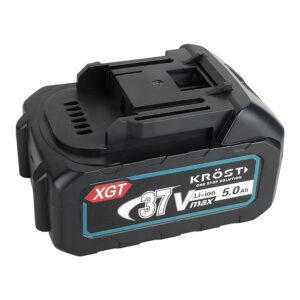
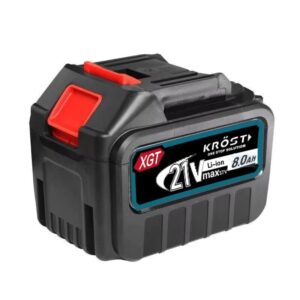
    You’ll often see these batteries marketed as 21V or sometimes 21V/37V MAX, and it’s worth understanding what that actually means before you buy. The number refers to peak voltage output rather than the battery’s resting or nominal voltage, and many “21V” branded batteries are actually built around 18V nominal cells that are marketed at their peak charge state. This is standard industry practice across most cordless tool brands rather than any kind of defect or false advertising, so don’t be alarmed if the actual voltage reads slightly lower once the battery settles under normal use.

    Li-ion has become the standard chemistry across nearly all modern cordless angle grinders, replacing older nickel-based batteries because it charges faster, holds its charge longer when idle, and delivers more consistent power throughout a discharge cycle rather than tapering off unpredictably toward the end.


    Battery Capacity Explained — What Ah Numbers Mean

    Ah, or amp-hours, is the number that actually determines how long your battery lasts under real working conditions, and it matters more here than it does for lighter tools like drills.


    • How Capacity Affects Grinding Time and Power

    A higher Ah rating means a longer runtime before you need to recharge, and the difference becomes very noticeable once you compare capacities side by side. A 2.0Ah battery might get you through light, occasional grinding tasks, while a 5.0Ah battery extends that considerably, and an 8.0Ah pack can carry you through extended, continuous cutting sessions without needing a mid-job swap. Since angle grinders draw significantly more current than a standard drill under sustained load, capacity plays a bigger role here in determining whether your tool maintains steady power or starts to lag as the charge depletes.


    • Choosing Capacity Based on Usage Type

    If you’re grinding occasionally around the house for small repair jobs, a lower capacity 2.0Ah battery keeps things simple and the tool lighter in your hand without unnecessary bulk. But for frequent workshop use or ongoing metal fabrication work, stepping up to a 5.0Ah or 8.0Ah battery pays off quickly by cutting down on how often you’re stopping to recharge mid-project, which adds up over a full working day.


    Best 21V Batteries for Cordless Angle Grinders

    Here’s a practical breakdown of options across different capacity needs, from occasional home use to full-time professional workloads.


    • Best Entry-Level Capacity Option

    The KROST 21V (37V MAX) 2.0Ah PRO Series Li-ion Battery offers 2.0Ah/2000mAh capacity, well suited for lighter or occasional grinding tasks rather than sustained heavy use throughout the day. As part of the broader KROST PRO and X-Series lineup, it isn’t limited to grinders alone and can work across other compatible cordless tools in the same ecosystem. For home DIY users, this makes a sensible, budget-friendly option, either as a primary battery for light work or a backup pack kept ready for when the main one runs low.


    • Best for Extended Runtime

    Stepping up in capacity, the KROST 21V (37V MAX) 5.0Ah PRO Series Li-ion Battery delivers noticeably longer runtime compared to the 2.0Ah option, making it a better fit for regular grinding or cutting sessions rather than occasional light use. It also supports quick-charge capability, reaching a full charge in around 2.5 hours, which helps minimize downtime between sessions. This makes it a strong pick for users who grind or cut regularly and would rather avoid interrupting a job for lengthy recharging breaks throughout the day.


    • Best for Heavy-Duty/Professional Use

    For continuous, demanding use, the KROST PRO SERIES 21V (37V MAX) 8.0Ah Li-ion Battery sits at the top of the capacity range, built for extended workshop or job-site sessions where recharging breaks simply aren’t practical. As with the other options, it remains part of the same PRO Series ecosystem, so it stays compatible across multiple KROST cordless tools rather than being limited to grinders alone. This capacity level suits professionals or anyone running their grinder for extended periods on a near-daily basis, where runtime matters as much as raw power.


    • Compatible Charger for 21V Batteries

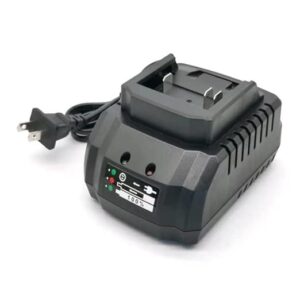
    The KROST 21V 5.0A Li-ion Battery Charger is a charger rather than a battery, relevant if you already own a compatible battery but need a spare or replacement charging unit to go with it. With 21V DC output at 5.0A, it supports fast charging across compatible battery capacities in the same series. It’s a useful addition for anyone building out a backup battery and charger setup, particularly if you’re running multiple tools off the same cordless grinder battery platform and want redundancy in your charging equipment.


    How to Extend the Life of Your Angle Grinder Battery

    Good charging habits genuinely extend how long your battery performs at full strength before it starts noticeably degrading. Avoid overcharging by disconnecting the battery once it reaches full charge, and try not to let it fully drain repeatedly under heavy grinding loads, since deep discharges under high current draw put more strain on the cells than lighter, more moderate use would.

    Storage matters just as much, especially in India’s climate, where leaving a battery in direct sunlight or inside a closed, parked vehicle during summer can expose it to heat levels that accelerate long-term degradation considerably. It also helps to let the battery cool down between heavy grinding sessions rather than immediately swapping in a fresh one and pushing straight through, since heat buildup from continuous hard use is one of the more common causes of premature battery wear.


    Why Choose AtoZ Shop for Cordless Angle Grinder Batteries and Chargers

    AtoZ Shop stocks the full KROST PRO Series battery ecosystem, covering various 21V cordless angle grinder models rather than a narrow, limited selection that leaves you guessing about fit. Ordering online comes with the reassurance of nationwide delivery, secure payment options, and an easy returns process if something doesn’t work out the way you expected once it arrives at your door.

    Multiple capacity options are available under one platform, ranging from 2.0Ah for lighter use up to 8.0Ah for continuous professional work, along with compatible chargers to round out your setup. If you’re unsure which angle grinder battery capacity actually suits your grinding needs, customer support is available to help you work through the right choice before you commit to an order.


    Conclusion

    Choosing the right 21V battery really comes down to matching capacity to how intensively you actually use your grinder, along with making absolutely sure the battery and grinder share the same brand and series compatibility. A well-chosen replacement or spare battery keeps an otherwise perfectly good grinder running the way it’s meant to, rather than sitting idle because of a power issue that had nothing to do with the tool itself.

    Before you buy, it’s worth checking both your grinder’s specifications and the battery ecosystem it belongs to, since getting that match right upfront saves you from returns, mismatched connectors, or a battery that technically fits but never quite performs the way it should.


    FAQs

    1. Is a 21V battery the same as an 18V battery for cordless angle grinders?
      Often, yes, in practical terms. Many 21V branded batteries are built around 18V nominal cells marketed at their peak voltage, which is common industry practice rather than a different underlying technology.
    2. Can I use a 21V battery from one brand on a different brand’s angle grinder?
      Generally no, since 21V batteries are typically brand and series-specific in both physical design and internal electronics. Always check compatibility with your specific grinder model before purchasing a battery from a different brand.
    3. What Ah capacity is best for regular metal cutting and grinding work?
      For regular or frequent use, a 5.0Ah battery usually strikes a good balance between runtime and practicality, while heavier daily workshop use benefits more from an 8.0Ah option.
    4. How long does a 21V angle grinder battery last on a full charge?
      This depends heavily on the Ah rating and how demanding your grinding task is, but a 2.0Ah battery typically lasts through lighter, shorter tasks while 5.0Ah to 8.0Ah batteries support extended, continuous sessions.
    5. Can the same 21V battery be used for a drill, wrench, and angle grinder?
      Yes, provided all three tools belong to the same brand’s battery ecosystem and series. This is one of the main advantages of investing in a shared 21V power tool battery platform rather than separate batteries per tool.
    6. How much does a replacement 21V battery cost in India?
      Pricing varies by capacity, with 2.0Ah batteries typically starting lower and 8.0Ah options costing considerably more due to the higher cell count and capacity involved. Checking current listings gives the most accurate picture.
    7. Why does my angle grinder lose power even with a fully charged battery?
      This can happen due to battery age, heat buildup during heavy use, or a compatibility mismatch between the battery and grinder’s electronics. Worn batteries also lose their ability to sustain peak current output over time.
    8. How do I know if my charger is compatible with a higher-capacity battery upgrade?
      Check that the charger’s voltage and series match the battery, and confirm the charger’s amp output can handle the higher capacity efficiently. Mismatched chargers may still charge the battery but far more slowly than intended.

    Best Cutting Tools for Foam, Thermocol & Lightweight Materials

    Best Cutting Tools

    Anyone who has tried slicing through a thermocol sheet with a regular kitchen knife knows the result: crumbling edges, jagged lines, and a piece that looks nothing like what you had in mind. Foam and thermocol simply don’t respond to the same tools that work fine on wood or cardboard.

    This guide covers the right tools for cutting lightweight materials, whether you’re a student working on a school model, a hobbyist building a craft project, or someone putting together event and decor pieces. Getting the tool right matters more here than most people expect.


    Why Foam and Thermocol Need Special Cutting Tools

    These materials are brittle, crumbly, and sensitive to heat, which is exactly why a regular knife or saw tends to tear rather than slice through them. Standard blades drag and compress the material instead of cutting cleanly, leaving rough, uneven edges behind.


    Types of Cutting Tools Suitable for Lightweight Materials

    Different jobs call for different approaches here, from heat-based melting to sharp blades to fully powered options.


    Hot Wire/Heat-Based Cutters

    A hot wire foam cutter melts through foam and thermocol cleanly instead of tearing it apart, which is why this method is so popular for thermocol art, sign-making, and cutting packaging shapes. Since melting foam releases fumes, always use these tools in a well-ventilated space rather than a closed room.


    Sharp Blade/Utility Knife Cutters

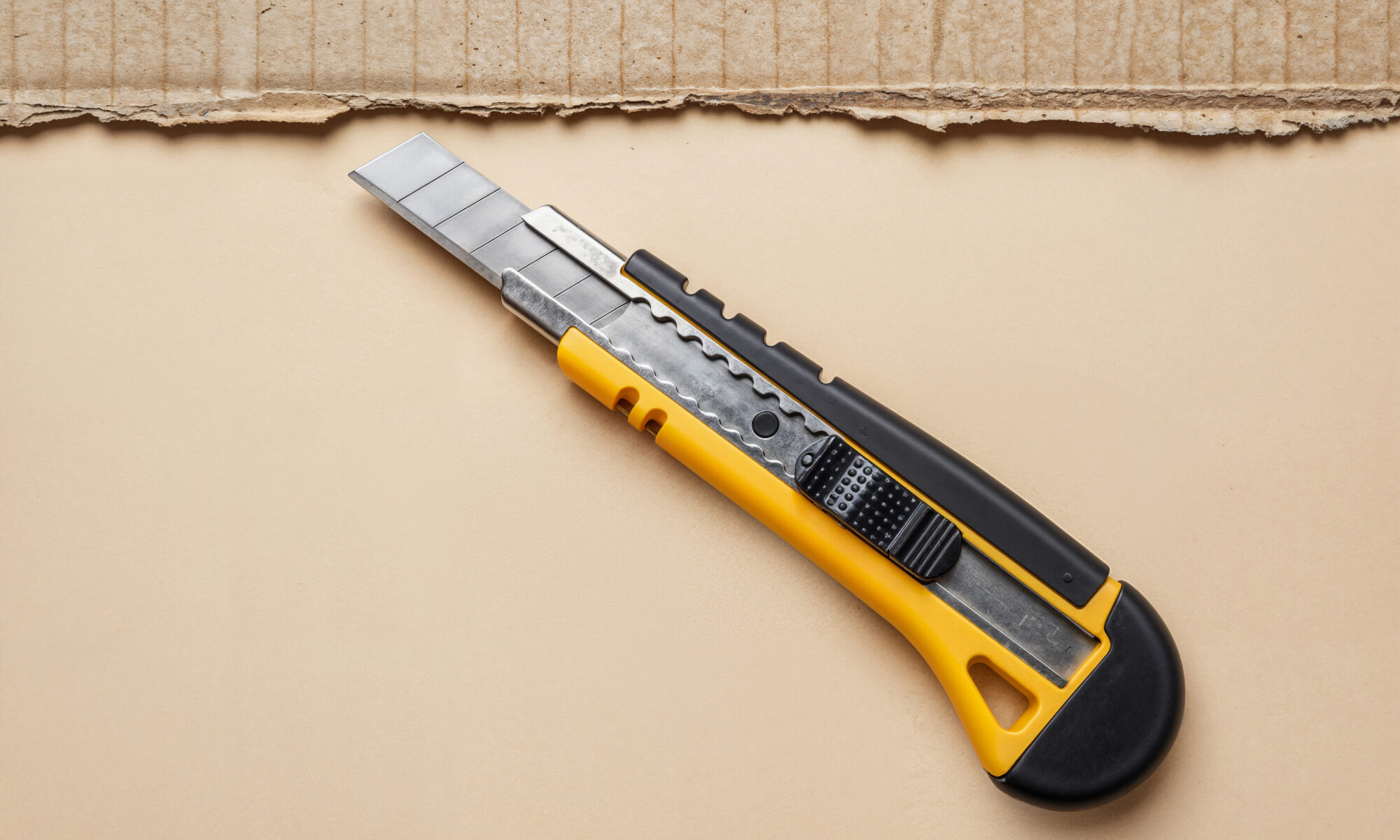
    A sharp, replaceable snap-off blade works well for straight cuts on foam sheets and cardboard-backed materials, making a good foam cutting knife one of the most budget-friendly and accessible options for home and DIY use. There’s no setup required, just a steady hand and a fresh blade.


    Electric/Cordless Cutting Tools

    Powered options act more like a proper foam cutting machine, helping you get faster, more consistent cuts on thicker foam or layered lightweight materials than a manual blade ever could. These suit frequent or bulk cutting needs far better than occasional one-off hobby projects.


    Top Cutting Tools to Buy for Foam, Thermocol & Lightweight Materials

    None of the tools below are dedicated foam cutters, but each one covers a specific part of the job well when used the right way.


    • For Heat-Based Cutting/Edge Sealing

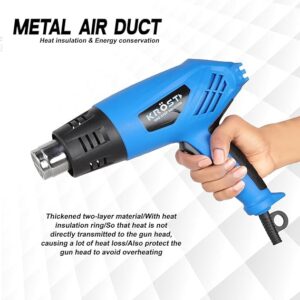
    The KROST Heat Gun 2000W is a heat gun rather than a dedicated hot-wire cutter, commonly used for shrink wrapping and crafting, though it can also help seal and smooth foam edges after cutting. Dual temperature and airflow control let you adjust intensity, but use low heat settings near foam to avoid melting through unevenly.


    • For Precision Straight Cuts

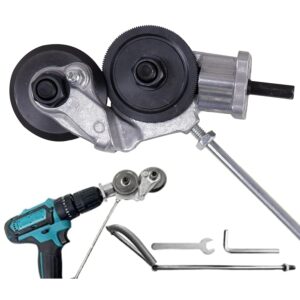
    Among the more reliable thermocol cutting tools for manual work is the  KROST Metal Sheet Cutter Attachment for Drill machine Electric Drill refitting plate shears tool. Its snap-off blade design keeps the cutting edge always sharp for clean lines on foam sheets, thermocol, and cardboard. It’s affordable and easy to use, making it a solid pick for students, hobbyists, and craft makers working with thinner materials over shorter sessions.


    • For Cutting Layered or Thicker Lightweight Materials


    The KROST Professional Cordless Rechargeable Easy-Slice Electric Knife is primarily built for craft and tailoring use, but its reciprocating serrated blade can handle thicker foam or layered lightweight material well as one of the more versatile tools for cutting thermocol in bulkier projects. Cordless convenience and a safety-lock trigger make it better suited to repeated cutting rather than the occasional one-off job.


    • For Fabric-Backed or Combination Lightweight Materials

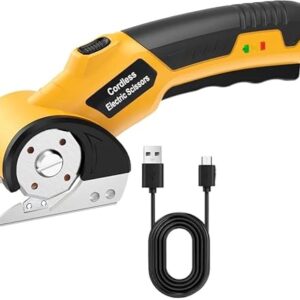
    The KROST Electric Cloth Cutting Scissors is designed for fabric and leather, but it works well as one of several foam cutting tools for crafts when dealing with foam-backed or fabric-laminated sheets used in decor projects. Its cordless, rechargeable design adds portability, though it’s not meant for thick, rigid foam blocks, best kept to thin, flexible sheets.


    How to Get Clean Cuts Without Damaging Foam or Thermocol

    Getting a smooth, professional edge isn’t about pressure or power, it’s mostly about avoiding a few easily fixable mistakes.


    • Common Mistakes to Avoid

    Dull blades, too much applied pressure, and overly high heat settings are the most common reasons foam and thermocol end up melted unevenly or torn apart. Always test your foam cutting tools on a scrap piece before committing to the final cut.


    • Tips for Precision and Smooth Edges

    Using a straight edge or ruler for guided cuts, moving slowly and with control, and marking your cut lines beforehand all lead to noticeably cleaner results. Keeping tools free of melted residue between cuts also keeps every subsequent cut as clean as the first.


    Why Choose AtoZ Shop for Foam, Thermocol & Lightweight Material Cutting Tools

    AtoZ Shop carries trusted brands like Krost, Taparia, and Bosch, covering a genuine range of craft, DIY, and precision cutting tools rather than a single narrow selection. Ordering online comes with nationwide delivery, secure payment options, and an easy returns process if something isn’t quite right for your project.

    Whether you need a simple manual cutter for occasional use or a more capable electric option for frequent, bulk cutting, both are available under one platform. If you’re unsure which tool actually fits your specific project, customer support is available to help you decide before you order.


    Conclusion

    Choosing between a heat-based cutter, a sharp blade, or an electric tool really comes down to your material thickness and the type of project you’re working on. Clean cuts come from matching the right tool to the material, not simply reaching for the most powerful option available.

    It’s worth keeping a couple of different cutting tools on hand rather than relying on just one, since foam, thermocol, and fabric-backed materials each respond differently depending on the job in front of you.


    FAQs

    1. What is the best tool to cut thermocol sheets at home in India?
      For most home use, a sharp snap-off blade cutter gives clean, manageable results without needing any setup. For larger or decorative projects, a hot wire cutter offers smoother edges with less crumbling.
    2. Can a normal knife or blade be used to cut foam and thermocol?
      A regular kitchen knife usually tears rather than cuts cleanly through these materials. A sharp, dedicated blade, especially a snap-off type kept fresh, works far better and leaves a much cleaner edge.
    3. Is a hot wire cutter safe to use indoors?
      Yes, but only with proper ventilation, since melting foam releases fumes that shouldn’t be inhaled in a closed space. Keep windows open or work in a well-ventilated area whenever using one.
    4. What tool gives the cleanest cuts for thermocol art and school projects?
      A hot wire cutter typically gives the smoothest, most professional-looking edges for detailed thermocol art, while a sharp snap-off blade works well for simpler, straight-line school project cuts.
    5. Can a heat gun be used to cut foam instead of a hot wire cutter?
      A heat gun isn’t designed for cutting foam and works better for sealing or smoothing edges after cutting. Used carelessly at high heat, it can melt foam unevenly rather than producing a clean line.
    6. How do I stop thermocol from crumbling while cutting?
      Using a sharp, unworn blade and applying light, steady pressure instead of forcing the cut usually prevents crumbling. Marking your cut line beforehand and moving slowly also helps keep edges intact.
    7. What is the difference between cutting foam and cutting thermocol?
      Foam is generally denser and more flexible, while thermocol is more brittle and prone to crumbling. Thermocol usually needs a sharper, lighter touch, while denser foam can handle slightly more pressure or a powered tool.
    8. Are cordless electric cutters better than manual blades for foam and craft projects?
      For frequent or bulk cutting, cordless electric cutters save time and give more consistent results. For occasional, smaller projects, a manual blade is usually simpler, cheaper, and just as effective.

    Best 12V Batteries for Cordless Drill Machines: Capacity & Compatibility

    Best 12V Batteries

    You charge the drill overnight, pick it up the next morning, and within twenty minutes it’s already sputtering out. That frustrating drop in power usually comes down to one thing: the battery, not the tool itself, quietly giving up on you at the worst possible moment.

    A cordless drill is only as good as its battery, and a weak or incompatible one means reduced runtime, sudden power loss mid-task, or a perfectly functional tool sitting useless in a drawer. Whether you’re replacing an old, dying pack or picking up a spare for longer sessions, getting this choice right matters more than people expect.

    This guide will help you understand exactly how to pick the best 12V battery for your drill, covering capacity, real-world runtime, and compatibility, so you can make a confident, informed choice instead of guessing.


    Understanding 12V Drill Batteries

    “12V” refers to the voltage, essentially how much power the battery delivers, not how long it actually lasts on a single charge. Capacity, measured in mAh or Ah, is what determines runtime between charges. A common mix-up is assuming higher voltage automatically means longer working time, when in fact two 12V batteries can perform very differently in the real world.

    Most modern 12V cordless drills now run on Li-ion batteries rather than the older NiCd type. Lithium-ion charges faster, holds its charge better when sitting idle, and doesn’t suffer from the “memory effect” that used to shorten the working life of older nickel-based battery packs over repeated charge cycles.


    Battery Capacity Explained – What mAh/Ah Numbers Mean

    These numbers look technical, but they simply tell you how long a battery runs before needing a recharge.


    • How Capacity Affects Runtime and Performance

    In simple terms, a higher mAh rating means more working time before you need to recharge. A 1200mAh battery might get you through a modest round of home drilling, while a 2000mAh battery in the same voltage class can noticeably extend that before it needs topping up. The trade-off is that higher capacity batteries tend to be a bit bulkier and heavier, so it’s worth weighing runtime against comfort if you’re holding the drill for extended periods.


    • Choosing Capacity Based on Usage Type

    If you’re drilling occasionally for small home repairs, a lower capacity battery is perfectly fine and keeps the tool lighter in hand. But if you’re using the drill regularly, whether for a home renovation stretching over weeks or actual job-site work, a higher capacity battery pays off by cutting down how often you’re stopping to recharge or swap packs mid-task.


    Best 12V Batteries for Cordless Drill Machine

    Here are four reliable picks covering budget replacements, extended runtime, professional grade power, and a compatible charger for your setup.


    • Best Single Replacement Battery

    The KROST 12V Replacement Battery for Cordless Drill Driver/Hammer Drill (Single Pack) offers 12V, 1200mAh capacity as a straightforward, budget-friendly swap for a worn-out drill battery. It’s a solid fit for occasional home DIY users who only need one working battery on hand at a time, without paying for capacity they won’t actually use.


    • Best Twin-Pack Battery for Extended Runtime

    The KROST 12V Replacement Battery for Cordless Drill Driver/Hammer Drill (Twin Pack) carries the same 12V, 1200mAh specs, sold as a pair so one charges while the other stays in use. It suits longer projects or frequent drilling sessions well, and buying the pair together works out better value than purchasing two batteries separately later.


    • Best Professional-Grade Battery Option

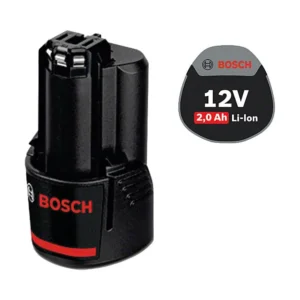
    The Bosch GBA 12V 2.0Ah Lithium-ion Professional Battery Pack steps up to 2.0Ah capacity, giving noticeably longer runtime than standard replacement packs. Built on Bosch’s professional-grade reputation, it suits Bosch-compatible drills and users who need consistent, heavy-duty performance. Just confirm it matches your specific Bosch 12V tool system before ordering.


    • Compatible Charger for 12V Batteries

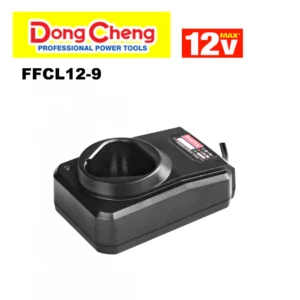
    The Dongcheng 12V Charger is a charger, not a battery, useful if you already own a battery but need a reliable charging unit to go with it. Always check voltage compatibility before pairing it with a battery from a different brand, and it’s a smart addition for anyone building out a backup battery and charger setup.


    How to Extend the Life of Your Cordless Drill Battery

    Good charging habits make a real difference to how long a Li-ion battery lasts. Avoid overcharging by unplugging once it’s full, and try not to let the battery drain completely on a regular basis, since deep discharges wear down the cells faster over time.

    Storage matters too, keep batteries in a cool, dry place away from direct heat, which is especially important during Indian summers when temperatures inside a closed toolbox or car can climb well past comfortable levels. Even if you’re not using the drill often, giving the battery periodic use rather than letting it sit untouched for months helps keep the cells healthy.


    Why Choose AtoZ Shop for Cordless Drill Batteries and Chargers

    AtoZ Shop carries a wide range of trusted battery brands including Krost, Bosch, Dongcheng, and Ingco, covering various 12V drill models rather than locking you into a single ecosystem. Ordering online comes with the reassurance of nationwide delivery, secure payment options, and an easy returns process if something doesn’t fit right once it arrives.

    Both budget-friendly replacement batteries and branded professional-grade options are available under one platform, so you’re not stuck piecing together your setup from multiple different sellers. If you’re unsure which battery actually fits your drill model, customer support is available to help you confirm compatibility before you place the order.


    Conclusion

    Choosing the right 12V battery really comes down to two things: matching the capacity to how often and how hard you actually use your drill, and making sure the battery is genuinely compatible with your specific model or brand. Getting both right avoids wasted money on the wrong pack.

    A well-chosen replacement battery can extend the useful life of an otherwise perfectly good drill by years rather than sending it to the back of a cupboard. Before you buy, take a moment to check your drill’s specifications so the battery you pick actually works the way you need it to.


    FAQs

    1. Can I use a 12V battery from a different brand on my cordless drill?Generally, no. Most drills are designed to work only with batteries from the same brand or system, and mismatched voltage or terminal design can damage the tool. Always check the manufacturer’s compatibility list before buying a third-party battery.
    2. What does mAh mean, and how does it affect my drill’s battery life?
      mAh stands for milliamp hours, and it measures how much charge a battery can hold. A higher mAh rating means the battery can power your drill for longer before needing a recharge, though voltage stays the same regardless of capacity.
    3. How long does a 12V drill battery last before needing replacement?
      With regular use and proper care, a Li-ion 12V battery typically lasts around 2 to 3 years, though this varies based on usage frequency and charging habits. A battery that no longer holds charge or drains unusually fast is due for replacement.
    4. Is it better to buy two batteries or one high-capacity battery for a cordless drill?
      It depends on your work pattern. Two standard batteries let you swap one out while the other charges, which suits frequent, longer sessions, while a single high-capacity battery is simpler if you don’t want to manage multiple packs.
    5. Can I use a 20V battery on a drill designed for 12V?
      No, voltage mismatches like this can seriously damage the drill’s motor and internal circuitry. Always use a battery rated for the exact voltage your drill is designed for, even if the physical connector happens to fit.
    6. How much does a replacement 12V drill battery cost in India?
      Budget replacement batteries typically start around ₹800 to ₹1,200, while branded professional-grade options like Bosch can cost significantly more depending on capacity. Pricing usually reflects both the brand and the mAh rating.
    7. What’s the difference between an OEM battery and a third-party replacement battery?
      An OEM battery is made by the same company as your drill and guarantees exact compatibility, while a third-party replacement is made by a different manufacturer to fit the same drill, often at a lower price point.
    8. How do I know if my drill charger is compatible with a new battery?
      Check that both the voltage and the connector type match between your charger and the new battery. If you’re buying a battery from a different brand than your current charger, it’s worth confirming compatibility with the seller before ordering.

    How to Choose the Right Drill Bit for Metal, Wood, Concrete, and Tile

    Choose the Right Drill

    Picking up the nearest drill bit and hoping for the best is one of the most common ways a simple job turns into a frustrating one. Use the wrong bit on the wrong material and you end up with a cracked tile, a burnt out bit, a splintered piece of wood, or a hole that simply won’t go where you want it to. Choosing the right drill bit for the material in front of you isn’t just about getting a cleaner result, it’s also what keeps your bits and your drill lasting longer instead of wearing out after a handful of uses.

    This guide walks through drill bit types for materials you’re likely to work with at home or on site, whether you’re a DIY homeowner tackling a weekend project or a professional who drills through different surfaces every day. By the end, you’ll know exactly which bit reaches for which job.


    Understanding Drill Bit Types and Materials

    Not all drill bits are built the same, and that’s by design. The tip material, the flute shape, and any coating on the bit all play a role in what it’s actually suited for.


    • HSS (High Speed Steel) bits : are the general-purpose workhorses, good for wood and light metal work
    • Carbide-tipped bits:  hold an edge far longer and are built for tougher materials like masonry and tile
    • Masonry bits: have a wider, flatter tip designed to grind through concrete and brick rather than cut like a blade
    • Spade and auger bits: are wood-specific, shaped for fast material removal and larger diameter holes
    • Diamond-tipped and carbide spear-point bits : are made for brittle, hard surfaces like tile and glass, where a standard twist bit would just crack the surface.


    Best Drill Bits for different surfaces 

    Different surfaces need different drill bits. Choosing the right type for wood, metal, concrete, tiles, or masonry ensures cleaner holes, better control, and longer bit life.


    • Best Drill bit for Metal 

    Drilling metal requires a bit that can handle heat without losing its sharpness. HSS bits are a dependable choice, while cobalt bits are better suited for tougher metals and frequent use. Titanium coated bits also help reduce friction and improve durability. The Bosch Professional Impact Drill Bit / Masonry Drill Bit Set (6.5mm) is a useful option for precise drilling jobs where consistent performance matters.


    • Best Drill Bits for Wood

    Wood drilling works best with brad point, spade, and auger bits, depending on the hole size and finish required. A brad point bit gives cleaner starts and better accuracy, while spade bits work well for larger holes. Supporting the wood underneath also helps reduce splintering when the bit breaks through.
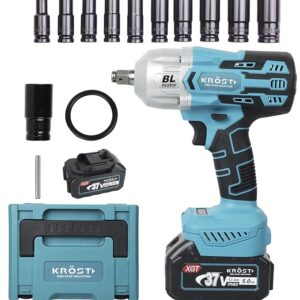
    For wood cutting tasks, the INGCO AKDL1201 12 Pcs Wood Drill Bits Set, Carbon Steel Paddle Flat Bit with ¼ is a practical choice for compatible saws. Its tungsten carbide tipped design and 24 tooth configuration help deliver smooth, controlled cuts through wood, making it useful when projects involve cutting boards alongside drilling and fitting work.


    • Best Drill Bits for Concrete

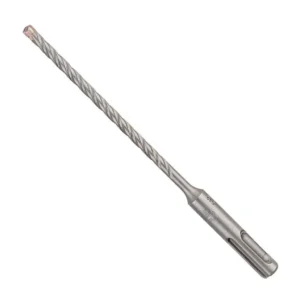
    For concrete and masonry, carbide tipped masonry bits are suitable for lighter drilling jobs, while SDS and SDS Plus bits are designed for rotary hammer drills and tougher surfaces. Using the right bit makes drilling easier and helps prevent unnecessary wear. Starting slowly, using hammer mode where suitable, and clearing dust regularly can also help maintain smoother drilling and cleaner holes.

    For regular concrete, brick, and masonry work, the Bosch SDS Plus 5X Hammer Drill Bits (Pack of 5) is a practical choice. Its SDS Plus shank is made for compatible rotary hammer drills, while the five piece set provides different bit sizes for various drilling needs. This makes it useful for construction, renovation, and other demanding masonry applications.


    • Best Drill Bits for Tile and Glass

    Tile and glass need careful drilling to avoid cracks and damage. Diamond tipped bits work well for hard ceramic and porcelain tiles, while carbide spear point bits are suitable for glass and softer tiles. Using low speed, avoiding hammer mode, and keeping the drilling area cool with water can help create cleaner holes with less risk of cracking.

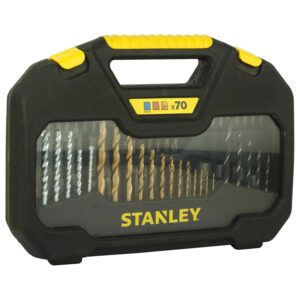
    For a versatile option, the STANLEY STA7184 XJ Titanium Drill Bit Set (70pc) offers a wide selection of sizes for everyday DIY work. Its titanium coating helps reduce friction and improve durability, making it useful for projects involving wood and light metal drilling.


    How to Maintain and Store Drill Bits for Longer Life

    A little maintenance goes a long way toward getting more use out of your bits. Wiping bits down after use prevents rust from building up, which matters more than you’d think in India’s humid climate, especially during monsoon months when moisture sits in toolboxes longer than usual. Storing bits in a proper case or organizer rather than tossed loose in a drawer also protects their cutting edges from dulling against other metal tools.

    HSS bits can usually be sharpened at home with a bit sharpener or a bench grinder if you know what you’re doing, extending their life significantly. Carbide and diamond-tipped bits, on the other hand, are generally better replaced once they dull, since attempting to sharpen them at home often does more harm than good.


    Why Choose AtoZ Shop for Drill Bits and Drilling Accessories

    Getting the material-to-bit match right is only half the equation, the other half is making sure what you’re buying is actually genuine and built to the specifications it claims. AtoZ Shop carries a wide range of trusted drill bit brands including Bosch, Makita, and Stanley, covering everything from metal and wood to concrete and tile specific options, so you’re not stuck compromising because your usual supplier doesn’t stock the right type.

    Ordering online comes with its own set of concerns, and that’s covered too, with nationwide delivery, secure payment options, and an easy returns process if something isn’t right. Whether you need a single specialty bit for one specific job or a broader multi-material set that covers several types of work, both are available under one platform rather than requiring separate purchases across different stores. If you’re unsure which bit type or size actually fits your project, the customer support team is available to help you figure that out before you order rather than after.


    Conclusion

    Choosing the right drill bit ultimately comes down to matching the bit’s design to the material you’re working with, whether that’s metal, wood, concrete, or tile. Get it right and you’ll notice cleaner holes, less wasted effort, and bits that actually last through multiple projects instead of wearing out after one. Get it wrong and you’re looking at cracked tiles, snapped bits, or a drill motor working far harder than it needs to.

    The simplest habit to build going forward is checking the bit type before you start, not after something goes wrong. And if your toolbox doesn’t already have a decent, versatile set covering the materials you work with most often, it’s worth having one on hand before the next project comes up rather than scrambling for the right bit mid-job.


    FAQs

    1. Which drill bit is best for drilling into concrete walls in Indian homes?
      A carbide-tipped masonry bit works for occasional light drilling, but for most Indian home walls, which are often solid concrete or brick, an SDS-Plus bit paired with a rotary hammer drill gives faster, cleaner results with far less effort.
    2. Can the same drill bit be used for both wood and metal?
      Generally, no. A bit designed for wood isn’t hardened enough to cut cleanly through metal, and using it that way usually damages the bit or produces a rough, unreliable hole. It’s better to keep dedicated bits for each material.
    3. What is the difference between a masonry bit and an SDS bit?
      A standard masonry bit has a regular round shank and works with any drill, though it’s slower on dense concrete. An SDS bit has a grooved shank designed specifically to lock into a rotary hammer drill, allowing it to use the hammering action for much faster masonry drilling.
    4. Which drill bit is safe to use on bathroom tiles without cracking them?
      A diamond-tipped bit or a carbide spear point bit, used at low speed without hammer mode, is the safest option for bathroom tiles. Keeping the drilling point cool with water or tape also helps prevent cracking.
    5. How do I know when a drill bit has become dull and needs replacing?
      If the bit is taking noticeably longer to drill through a material it used to handle easily, generating excess heat, or producing rough, uneven holes, it’s likely dulled and due for sharpening or replacement depending on the bit type.
    6. Do I need a hammer drill for concrete, or will a normal drill work?
      A normal drill can manage occasional light holes in softer masonry, but for regular or deeper concrete drilling, a hammer drill makes the job significantly faster and puts less strain on both the bit and the motor.
    7. What size drill bit set is best for home DIY use in India?
      A mixed set covering common sizes from around 3mm to 10mm, along with a few masonry specific sizes, covers most household tasks like hanging shelves, mounting fixtures, and general repairs without needing to buy individual bits repeatedly.
    8.  Why does my drill bit overheat while drilling metal?
      Overheating usually happens from drilling too fast, applying too much pressure, or skipping lubrication. Slowing down the speed and using a cutting oil or lubricant on thicker metal keeps the bit cooler and extends its working life.

    Common Power Tool Problems and How to Troubleshoot Them

    Common Power Tool Problems

    There’s nothing quite as frustrating as reaching for your drill mid-project, only to have it sputter, stall, or refuse to start at all. Whether you’re a weekend DIYer tackling a shelf installation or a professional relying on your tools day in and day out, power tools are workhorses, and like any hardworking machine, they’re bound to show signs of wear over time. Corded or cordless, even the best-built tools eventually face issues like weak power, overheating, unusual noises, or battery troubles.

    The good news? Most of these problems aren’t as serious as they seem, and many can be fixed with a bit of know-how before you even think about a repair shop. From loose connections to worn-out brushes, understanding what’s going wrong is the first step to getting your tool back in action. This blog will walk you through the most common power tool problems and how to troubleshoot them so you can get back to work faster.


    Why Power Tools Malfunction Over Time


    Moisture is another silent culprit; even small amounts can corrode contacts and circuitry, particularly for tools stored in garages or job sites exposed to humidity. Add overuse without cooling breaks and improper storage, and toss in a bag rather than a proper case, and issues are bound to surface.

    Corded tools typically struggle with cord-related faults like fraying or loose plugs, since they depend on a constant connection. Cordless tools, by contrast, are more prone to battery problems like reduced runtime or slow charging, as cells naturally degrade with each charge cycle over time.


    Power Tool Won’t Start or Loses Power

    Power loss or startup failure can come from several sources. Here is how to check the most common ones before assuming the worst.


    • Checking Battery Charge and Connections (Cordless Tools)

    If your power tool is not turning on, check the battery first. A dead battery won’t charge at all or drains fast, while a low one runs weak. Clean the terminals with a dry cloth and reseat the battery firmly until it clicks.


    • Inspecting Power Cords, Plugs, and Switches (Corded Tools)

    Always unplug before inspecting. Look closely for frayed wires, loose plugs, or bent prongs along the cord, and test the switch for a solid click. Minor fixes are fine at home, but faulty internal wiring needs a qualified electrician.


    • Motor Overheating and Thermal Cutoff Issues

    Thermal cutoff protects the motor by shutting it off automatically when temperatures rise too high. Let the tool cool for fifteen to thirty minutes in a ventilated area before restarting. Frequent overheating during normal use signals deeper power tool motor problems needing attention.


    Overheating and Excessive Noise During Operation

    Unusual heat or noise while running a tool is rarely normal. These signs usually point to a specific, fixable cause if caught early.


    • Common Causes: Blocked Vents, Worn Brushes, Overuse

    Power tool overheating often starts with dust clogged vents restricting airflow around the motor. Clean them out using compressed air or a soft brush every few uses. Continuous heavy duty work without rest breaks also strains the motor, so pace longer jobs with short cooling intervals.


    • When Overheating Signals a Motor or Bearing Problem

    A burning smell, visible smoke, or a grinding noise during use are warning signs of a deeper issue, not something to clean away. Stop using the tool immediately in these cases, since continuing can cause permanent damage or even lead to the power tool not turning on again at all, and have it inspected professionally.


    Reduced Performance: Weak Torque, Speed, or Drilling Power

    A tool that runs but underperforms is often just as frustrating as one that won’t start. Here are the usual reasons behind it.


    • Worn Carbon Brushes and Motor Wear

    Carbon brushes conduct electricity to the motor, and they wear down naturally over time. Sparking, dimming, or noticeably reduced power are common signs of wear. These are simple, replaceable parts, so power tool repair here rarely means replacing the entire tool.


    • Dull or Damaged Bits, Blades, and Accessories

    Before assuming it is a power tool electrical problem, check the accessory itself. A dull bit or worn blade can make even a healthy tool feel weak or slow. Sharpening or swapping in a fresh bit often restores performance instantly, with no repair needed at all.


    • Battery Degradation in Cordless Tools

    Batteries naturally lose capacity with every charge cycle, which is a normal part of their lifespan. Shorter runtime, slower charging, or the tool cutting off under load are classic power tool battery problems worth watching for, especially as the battery approaches the end of its useful life.


    Battery and Charging Issues in Cordless Tools

    Cordless convenience comes with its own set of quirks. Most charging issues fall into a few clear, identifiable categories.


    • Battery Not Holding Charge

    Battery age, exposure to extreme heat or cold, and deep discharges from letting the battery run completely flat can all shorten its lifespan. To isolate the cause, try the battery in a different compatible tool or charge it with another charger, since this helps confirm whether the power tool performance problem lies with the battery itself.


    • Charger Not Detecting or Charging Battery

    Start by checking the charger port for dust or debris and confirming the power outlet is actually working. Note what the LED indicator shows, since steady, blinking, or no light each mean something different. If another battery also fails to charge, the charger itself likely needs replacing rather than the battery.


    • Signs It’s Time to Replace the Battery Pack

    A battery that won’t hold charge for more than thirty minutes, feels swollen, or overheats while charging should be replaced right away for safety. Never dispose of old batteries in regular household trash. Drop them off at an authorized e-waste collection center or battery dealer, as required under India’s e-waste rules.


    When to Repair vs When to Replace Your Power Tool

    A simple rule of thumb is to compare repair cost against replacement cost. If repairs run above half the price of a new tool, replacement usually makes more financial sense. Tool age also matters, since older models nearing the end of their expected lifespan are less worth investing in. Check warranty status first, as many issues may be covered at no extra cost. Availability of spare parts plays a role too, since some brands stop stocking parts for discontinued models. Professional repair is generally worth it for high value tools with fixable electrical or motor issues, while cheaper or heavily worn tools are often better replaced outright.


    • Cleaning and Storage Best Practices

    Remove dust and debris from vents and housings after every use with a brush or compressed air. Store tools in a dry place away from moisture, which matters especially during Indian monsoon months when humidity spikes. Using a proper tool case or box adds an extra layer of protection against dust and dampness.


    • Regular Inspection Checklist

    Make a habit of checking cords for fraying, batteries for charge health, chucks for looseness, vents for blockages, and blades for wear or dullness. Quick visual checks before each use catch small issues early, while heavy users should do a more thorough inspection monthly.


    Conclusion

    Most power tool problems, whether it is a battery that won’t hold charge, a motor that overheats, or a switch that feels unresponsive, come down to a handful of common causes you can now recognize and check yourself. From cleaning terminals and vents to knowing when a thermal cutoff is doing its job, these simple troubleshooting steps can save you time and an unnecessary trip to the repair shop.

    That said, regular maintenance remains the best defense, since most issues covered here are far easier to prevent than to fix. A little care after every use, proper storage, and periodic inspection go a long way in keeping your tools reliable for years to come. Treat your power tools well, and they will keep showing up for the job, exactly when you need them most.


    FAQs

    1. Why does my power tool suddenly stop working mid use?
      This is often the thermal cutoff protecting the motor from overheating. Let the tool cool for fifteen to thirty minutes before trying again. If it happens repeatedly, the motor or brushes may need inspection.
    1. Why does my cordless drill lose power quickly even after charging?
      This usually points to battery degradation from age or repeated charge cycles. Try testing the battery in another compatible tool to confirm. If it still drains fast, the battery pack likely needs replacing.
    1. Is it safe to use a power tool that overheats frequently?
      No, frequent overheating is a sign of an underlying motor or bearing issue and should not be ignored. Continuing to use it risks permanent damage or even safety hazards. Get it inspected by a professional before using it again.
    1. How can I tell if my power tool’s motor brushes need replacing?
      Common signs include visible sparking near the motor, a noticeable drop in power, or a burning smell during use. Brushes are inexpensive, replaceable parts available for most major brands in India. Replacing them is far cheaper than a full motor repair.
    1. Can a power tool be repaired locally in India, or should I buy a new one?
      Most cities have authorized service centers for popular brands like Bosch, Makita, and Black+Decker, and many local repair shops handle basic fixes affordably. For minor issues like cords, switches, or brushes, local repair usually costs a fraction of a replacement tool. For tools nearing end of life or with major motor damage, buying new may be more practical.
    1. Why does my power tool vibrate more than usual?
      Excessive vibration often comes from worn bearings, a loose chuck, or a damaged blade or bit. Check and tighten accessories first, since this is the simplest fix. If vibration continues, internal wear may need professional attention.
    1. How long should a power tool battery last before it needs replacement?
      Most power tool batteries last between two to four years, or around 300 to 500 charge cycles, depending on usage and battery type. Shorter runtime and slower charging are early signs it is nearing the end of its life. Replacement packs are widely available for most major brands.
    1. What is the average life of a power tool used for home vs professional use?A power tool used occasionally for home DIY projects can easily last eight to ten years or more with proper care. Professional use, being far more frequent and demanding, typically shortens that lifespan to three to five years. Regular maintenance helps extend life in both cases.

    Best Cordless Rivet Guns for Metal Fabrication

    Cordless Rivet Guns

    Cordless rivet guns have quietly replaced traditional manual and pneumatic riveters across metal fabrication shops, and once you use one, it’s easy to see why. No more hoses, no more compressors, no more squeezing a manual handle over and over until your hand gives out. Just grab the tool and get to work, wherever the job happens to be.

    Not every job calls for the same type of tool, though. Some fabricators need a dedicated pop rivet gun, others prefer a drill convertible attachment, and some need a rivet nut tool for threaded, reusable fastening points. In this blog, we’ll compare power, versatility and our top picks so you can choose the right cordless rivet gun for your specific metal fabrication work.

    Understanding Cordless Rivet Guns

    A cordless rivet gun uses a battery powered motor to pull or set blind rivets and rivet nuts without any manual squeezing required. This is a major shift from older tools, where fabricators had to rely on either hand strength or a compressor line to get the job done.

    There are a few distinct categories worth understanding here. Standalone cordless riveters are built specifically for the job, drill attachment rivet converters turn an existing cordless drill into a riveter, and rivet nut tools handle threaded inserts rather than standard blind rivets. All three have seen growing use across automotive repair, HVAC installation and off road or DIY metal fabrication projects.

    Brushless motor technology has been a real turning point here. These motors are steadily replacing manual pull riveters in professional metal fabrication shops, largely because they offer greater speed and significantly reduce hand fatigue during long, repetitive riveting sessions.

    Key Differences Between Cordless Rivet Gun Types

    Not all cordless rivet guns work the same way. Power, rivet size compatibility, versatility and build quality all vary significantly between types, shaping which tool actually fits your specific fabrication needs best.

    Power and Rivet Size Compatibility

    Dedicated cordless riveters typically handle a range of rivet diameters, often from 2.4 mm to 4.8mm, across steel, stainless steel and aluminium. Rivet nut tools work differently, handling threaded inserts from M3 to M12 for applications that need a reusable fastening point rather than a permanent blind rivet.

    Brushless motors play a big role in improving pulling force and consistency, especially when working with tougher metals that older tools might have struggled to pull through cleanly. This is where a genuine heavy duty rivet gun earns its reputation, since consistent pulling force across different metal thicknesses matters enormously in fabrication work.

    Versatility and Convertibility

    Some cordless rivet guns double as drill attachments, effectively converting an existing cordless drill into a riveter rather than requiring a separate dedicated tool. Others go a step further, combining both standard rivet and rivet nut functions into a single tool.

    This flexibility genuinely appeals to fabricators who don’t want a separate dedicated tool sitting around for every single fastener type they might encounter. A single, adaptable cordless riveting tool can often replace two or three separate pieces of equipment in a busy workshop.

    Build Quality and Ease of Use

    One key automatic operation has become a real productivity booster compared to older manual trigger cycles, since it removes an extra step from every single rivet placed. Heat dissipation matters too, particularly for sustained, high volume use where a tool running too hot can slow down an entire job.

    grip design and battery runtime are also worth paying attention to, since a tool that’s uncomfortable to hold for long stretches will slow down even the most efficient fabricator. Automatic riveting cycle speed, often around one to three seconds per rivet, becomes a genuine productivity factor once you’re working through dozens or hundreds of rivets in a single job.

    Top Cordless Rivet Guns to Consider

    Now that you understand what actually separates these tools, here are real options available at AtoZ Shop, chosen to match different metal fabrication needs.

    This brushless battery rivet gun handles rivet sizes from 2.4mm to 4.8mm across steel, stainless steel and aluminum, with one key automatic operation that speeds up every placement. Its fully cordless design means it’s ready to use anywhere, making it well suited for RV repair, downpipes, construction, HVAC, telecom and off road or Jeep modification work.

    This option converts a cordless drill into a functioning rivet gun using a dedicated riveting attachment, handling rivet sizes from 2.4mm to 4.8mm while still functioning as a standard drill for drilling and screwing tasks. It’s a great fit for fabricators who want a single tool covering drilling, screwing and riveting rather than investing in a separate dedicated riveter.

    Built for threaded fastening needs, this tool handles rivet nuts from M3 to M12 with automatic riveting completed in around three seconds. Heat dissipation holes support sustained use, and it works reliably on stainless steel, steel and aluminium, making it ideal for jobs needing reusable fastening points on body panels, furniture and metal assemblies.

    This versatile power rivet gun combines an 18 position torque clutch, a spring-loaded slide battery pack, a reverse switch and an LED light, bringing both screwdriving and rivet-nut functions into one compact tool. It’s a genuinely useful option for fabricators who need both fastening and riveting capability in a single lightweight, portable unit.

    This adapter connects to any existing corded or cordless drill or screwdriver, including six mandrels for different rivet nut sizes. As a labor saving alternative to manual rivet guns, it’s best suited for fabricators who already own a reliable drill and simply want rivet nut capability without purchasing an entirely dedicated electric rivet gun.

    Why Choose AtoZ Shop for Your Cordless Rivet Gun

    At AtoZ Shop, you’ll find a wide selection of cordless riveters, rivet nut tools and drill attachments from trusted brands like KROST, Bosch and Ingco, all genuine and quality tested for professional metal fabrication and DIY use alike. We offer competitive pricing along with ongoing discounts, so you get real value without compromising on quality.

    Our team is always available for reliable product guidance if you’re unsure which tool fits your specific fabrication needs, and every order comes backed by fast, trackable shipping across India. Beyond the rivet guns themselves, we’re also your one stop shop for accessories like rivets, mandrels, batteries and spare parts, so everything you need is available in one place.

    Conclusion

    To wrap this up, the right cordless rivet gun really comes down to the type of fastening work you do, whether that’s blind rivets, threaded rivet nuts, or a mix of both, along with how often you use the tool and whether versatility matters more than dedicated power. From the KROST Brushless Automatic Blind Riveter for general fabrication to the Rivet Nut Gun for threaded, reusable fastening points, each option genuinely serves a different kind of job well.

    A well matched tool doesn’t just save time, it noticeably reduces hand fatigue and keeps repetitive fabrication work moving efficiently, session after session. Still unsure which one fits your workshop? Explore our cordless rivet gun collection or chat with our team to find your perfect match.

    FAQs

    1. Which cordless rivet gun is best for metal fabrication?
      For most general metal fabrication needs, a dedicated brushless cordless riveter, like the KROST 20V Automatic Blind Riveter, offers the best balance of power, speed and portability across common rivet sizes.
    1. What’s the difference between a rivet gun and a rivet nut tool?
      A standard rivet gun sets permanent blind rivets, while a rivet nut tool installs threaded inserts that allow for reusable, removable fastening points, making the two suited to different applications.
    1. Can I convert my existing cordless drill into a rivet gun?
      Yes, using a riveting tool attachment or a rivet nut drill adapter, you can convert most existing cordless drills into a functional riveter without needing to purchase a separate dedicated tool.
    1. What rivet sizes can cordless rivet guns handle?
      Most dedicated cordless riveters handle rivet sizes ranging from 2.4mm to 4.8mm, while rivet nut tools typically support threaded sizes from M3 to M12 depending on the specific model.
    1. Are cordless rivet guns strong enough for steel and stainless steel?
      Yes, brushless motor cordless rivet guns are specifically designed to handle steel, stainless steel and aluminum, offering consistent pulling force even on tougher metal thicknesses.
    1. Do cordless rivet guns need special batteries or chargers?
      Most cordless rivet guns use standard lithium ion battery packs compatible with the brand’s broader tool lineup, though it’s worth checking compatibility with your existing batteries before purchasing.